 Gloria Davis
Growing pumpkins can be an enriching experience that connects us with nature and rewards our efforts with bountiful, vibrant fruits. To help you succeed, we’ll walk through the essential pumpkin growing stages, from planting to harvesting, ensuring your pumpkins thrive at each phase. Let’s dive into the journey of pumpkin growth.
Planting and Germination
The first step in successful pumpkin growth is planting the seeds. We recommend sowing seeds directly into the ground when the soil temperature reaches at least 70°F (21°C). This typically occurs in late spring. Plant seeds about 1 inch deep and space them 2 to 3 feet apart, allowing ample room for the sprawling vines.
The germination stage begins shortly after planting, usually within 7 to 10 days. During this time, consistent moisture is crucial. Ensure the soil is evenly damp but not waterlogged, as this promotes healthy seedling emergence. Watch for the first signs of life: small, tender sprouts breaking through the soil.
Vine Growth and Flowering
Once germination is successful, the vines will begin to grow vigorously. At this stage, providing nutrients through balanced fertilizers can support robust vine development. As the vines extend, they will produce large leaves that help photosynthesis and shield the soil, retaining moisture.
Flowering follows vine growth. You’ll notice both male and female flowers blooming. Male flowers appear first, followed by female flowers, which have a small fruit at the base. Successful pollination is critical here, and bees or manual pollination can aid in this process.
Fruit Development
After pollination, the critical stage of fruit development begins. This period is marked by the small pumpkins starting to form and grow. Consistent watering is vital, especially during dry spells, as pumpkins are largely composed of water. Ensure the soil remains moist but avoid waterlogging.
During fruit development, adjust your fertilizing strategy to focus on potassium and phosphorus, which support healthy fruit growth. Monitor for pests and diseases, using organic pesticides if needed to protect your pumpkins.
Harvesting Pumpkins
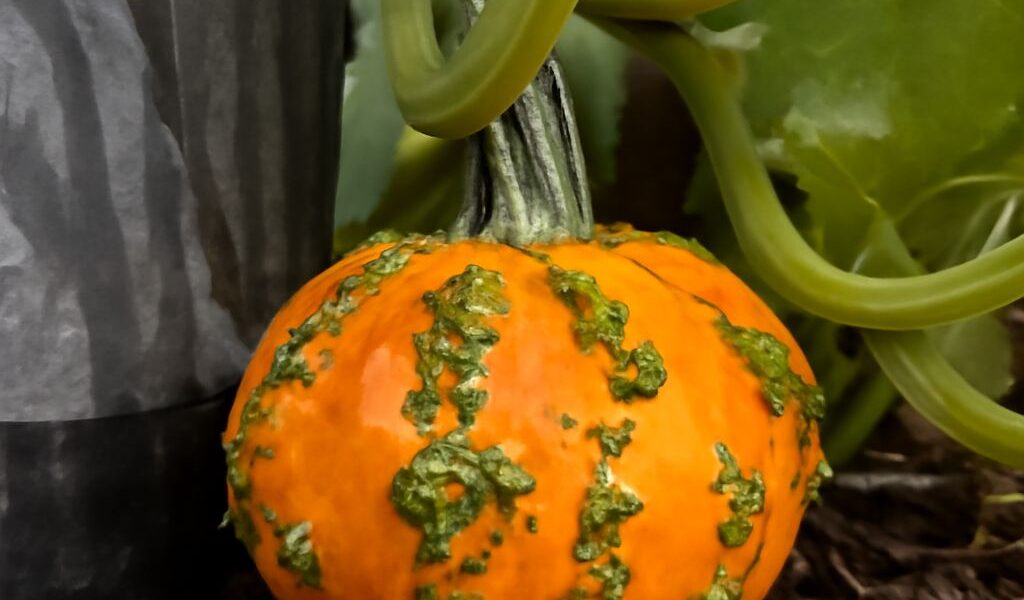
The final stage is harvesting, typically occurring 75 to 100 days after planting, depending on the pumpkin variety. A sure sign of readiness is the pumpkin’s vibrant color and hardened skin. If you can press a fingernail into the skin without breaking it, the pumpkin is ready to harvest.
Using a sharp knife or pruners, cut the pumpkin from the vine, leaving a few inches of stem attached. This helps prevent rot and extends the pumpkin’s shelf life. Store in a cool, dry place to enjoy your pumpkins for weeks to come.