 Gloria Davis
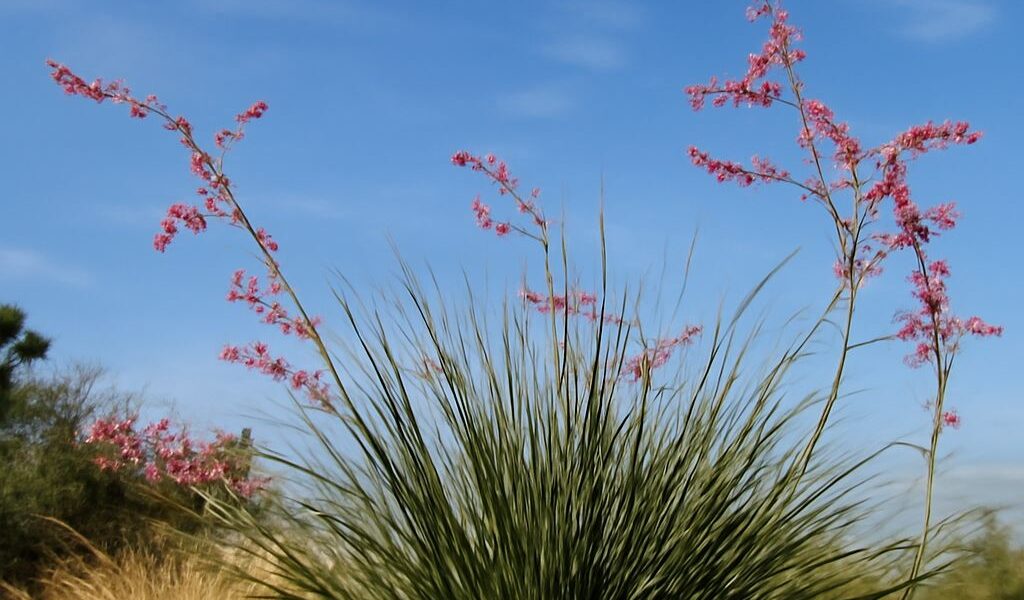
The red yucca, or Hesperaloe parviflora, is a striking plant known for its vibrant blooms and hardy nature. Native to desert regions, this plant is not only beautiful but also remarkably easy to care for, making it a favorite among gardeners. In this guide, we’ll explore everything you need to know about red yucca care to ensure your plant thrives.
Introduction to the Red Yucca
Red yucca plants, despite their name, are not true yuccas but belong to the Hesperaloe genus. They feature long, arching leaves and produce tubular red or pink flowers that attract hummingbirds. These plants are popular in xeriscaping due to their drought tolerance and minimal maintenance requirements.
Ideal Growing Conditions
To ensure your red yucca plant thrives, it’s essential to replicate its natural environment as closely as possible. Full sun exposure is crucial, as the plant needs at least six hours of direct sunlight each day. While it tolerates various soil types, well-draining soil is vital to prevent root rot. Sandy or gravelly mixtures are ideal.
Watering and Maintenance Tips
Red yucca care is straightforward, especially when it comes to watering. These plants are drought-tolerant, so it’s important not to overwater. Allow the soil to dry out completely between waterings. During the growing season, water moderately, but reduce watering in the winter months when the plant is dormant.
Maintenance is minimal. Remove dead flower stalks and damaged leaves to keep the plant looking tidy. Fertilizing is rarely necessary, but a balanced, slow-release fertilizer in the spring can encourage vibrant blooms.
Common Issues and Solutions
While the red yucca is generally low-maintenance, it can face some issues. Overwatering is the most common problem, leading to root rot. To prevent this, ensure proper drainage and avoid excessive watering.
Pests are rare, but aphids may occasionally appear. A strong water spray can dislodge them, or an insecticidal soap can be used if necessary. Yellowing leaves might indicate a lack of sunlight or poor soil conditions, so adjust accordingly.
By understanding and catering to the needs of the Hesperaloe parviflora red yucca, we can ensure this beautiful plant remains a standout feature in our gardens.