 Gloria Davis
In a winter garden, small black fruits can sit among glossy green leaves long after the flowers that produced them have disappeared. This inkberry, a holly called Ilex glabra, holds its foliage through the cold months. An inkberry shrub can form a loose screen and shelter wildlife.
Its usefulness depends on the ground beneath it. This native evergreen favors acidic, moist soil and has a spreading habit that deserves room. Before choosing one for a hedge, look at the site, the mature size on the label, and whether fruit is part of your plan.
Inkberry Bush: Know Its Shape and Seasonal Character
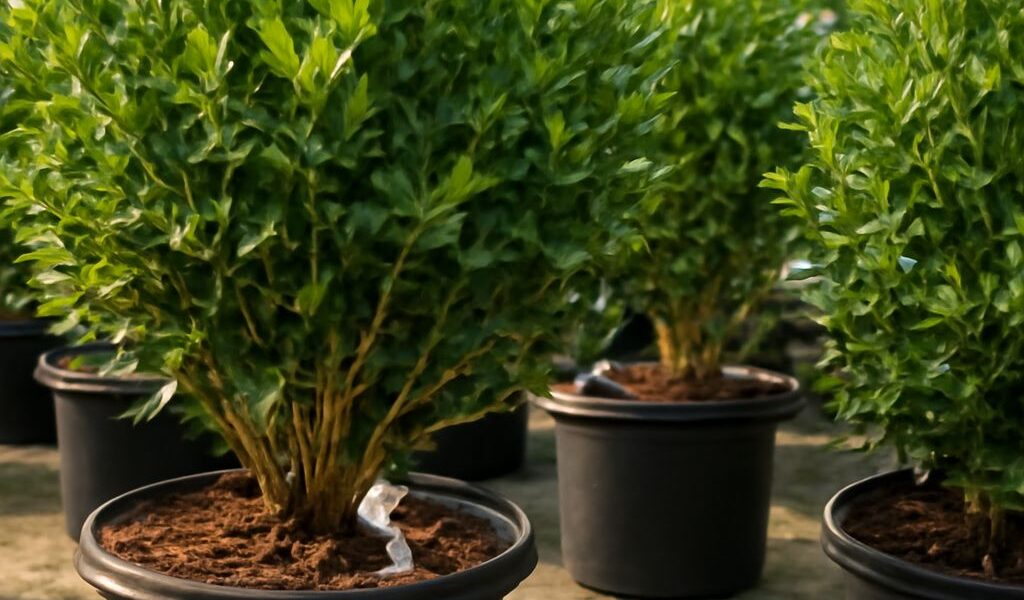
The inkberry bush is a broadleaf evergreen with small, smooth, dark green leaves rather than the sharp, spiny foliage many people associate with hollies. Its pale spring flowers are modest. On pollinated female plants, dark berries develop and can remain into winter, feeding birds and other wildlife.
The species can reach roughly 5 to 10 feet tall and 5 to 8 feet wide, according to North Carolina State Extension. Inkberry shrubs may spread by suckers from the roots, forming a colony over time. Older plants can become open near the base, so consider whether a natural, somewhat loose form suits the place you have in mind.
An inkberry plant can work as a single shrub, in a group, or along a boundary. Compact inkberry hollies may fit a foundation bed where the full-sized species would crowd a window or walkway. Read the expected height and width for the named selection, not just the size of the nursery pot. For example, University of Illinois Extension describes ‘Shamrock’ as a compact form reaching about 3 to 5 feet tall.
Match the Site to Its Habitat
Inkberry holly grows naturally near swamps and bogs in parts of eastern North America. In a garden, it prefers full sun to partial shade and acidic soil that stays moist while draining. It tolerates occasional wetness, making it worth considering for a low spot that receives runoff but does not remain deeply flooded.
Check the soil with a local extension soil test before planting, especially if nearby concrete or a history of liming may have raised its pH. North Carolina State Extension lists acidic soil for this species. If the result is unsuitable, choose a plant adapted to that soil or follow local advice on whether adjustment is practical for the whole planting area. Yellow leaves on a high-pH site can be a sign that the shrub has difficulty taking up nutrients.
Sun supports a fuller plant, while partial shade can work where moisture is reliable. In the colder part of its range, shelter from harsh winter wind helps protect foliage. Compare your local hardiness zone with the cultivar’s label, and observe whether the intended bed dries out in summer. Newly planted inkberry plants need particular attention during dry spells.
Plan for Fruit and Spacing
If berries matter, ask the nursery for identified female plants and a compatible male Ilex glabra that flowers at the same time. Pollen must reach the female flowers, usually with the help of insects; a row composed only of females may produce no berries. Keep the pollinator in the same garden area and ask the supplier about its recommended placement for the selected cultivars.
For an inkberry hedge, use the expected mature width to set the planting distance from center to center. A 4-foot-wide cultivar spaced about 4 feet apart, for example, has room to meet its neighbors as it matures. Closer planting fills a line sooner but can increase crowding and maintenance. Leave room between the row and a wall or path for the full spread and for access.
Mark the intended positions before digging and view the line from the windows and walkways it will frame. A mixed planting can soften a long boundary, while a repeated cultivar gives a more uniform outline. In either case, allow for the mature footprint rather than counting on permanent hard pruning to keep a large selection small.
Help the Roots Settle In
Dig a hole about as deep as the root ball and wider than it. Set the shrub so the top of the root ball is level with the surrounding soil, loosen circling roots, and return the excavated soil around it. Water thoroughly to settle the soil. A layer of organic mulch helps retain moisture; leave a gap around the stems so the base is not buried.
Check the root zone regularly through the first growing seasons. Water deeply when it begins to dry, adjusting for rainfall and soil conditions. A mulch layer reduces evaporation, but a finger test beneath it tells you more about moisture than its surface appearance. Once established, the shrub still appreciates consistent moisture during prolonged dry weather.
Prune damaged or crossing branches in early spring before new growth begins. Light shaping can maintain a boundary, while removing unwanted suckers limits spread. Keep in mind that heavy pruning may remove flower buds and reduce that season’s fruit. Look under leaves for mites if foliage becomes stippled, especially on dry sites, and address dry conditions as well as the pest.
For a narrow, low border, select compact inkberry hollies with a mature width the bed can accommodate. For a broader, natural screen on moist, acidic ground, choose a larger form and give it space to spread; add a compatible male near female plants if the black winter fruit is part of the appeal.
Sources: North Carolina State Extension: Ilex glabra; University of Illinois Extension: inkberry.