 Gloria Davis
When it comes to hiring a tree company, understanding tree service prices can help you make informed decisions. Whether you’re looking to trim branches or remove a tree entirely, knowing what influences the costs can save you money and ensure you receive quality service.
Factors Influencing Tree Service Prices
Tree service prices vary widely depending on several factors. The size and type of the tree are primary considerations. Larger trees generally require more time, labor, and equipment, which can increase the cost. Additionally, the tree’s location plays a crucial role. If a tree is near power lines or buildings, it may require special equipment and precautions, thus raising the price.
The complexity of the job also influences pricing. Services like tree removal, stump grinding, and emergency storm cleanup can be more expensive due to the expertise and specialized equipment needed. Furthermore, the condition of the tree, whether it’s healthy, dead, or diseased, can affect the overall cost. Healthy trees might be less costly to maintain, while diseased trees could require additional care.
Common Tree Services and Their Costs
The range of services offered by tree companies can vary, but some of the most common include tree trimming, tree removal, and stump grinding. Tree trimming typically costs between $200 and $800, depending on the tree’s size and location. This service helps maintain tree health and aesthetics.
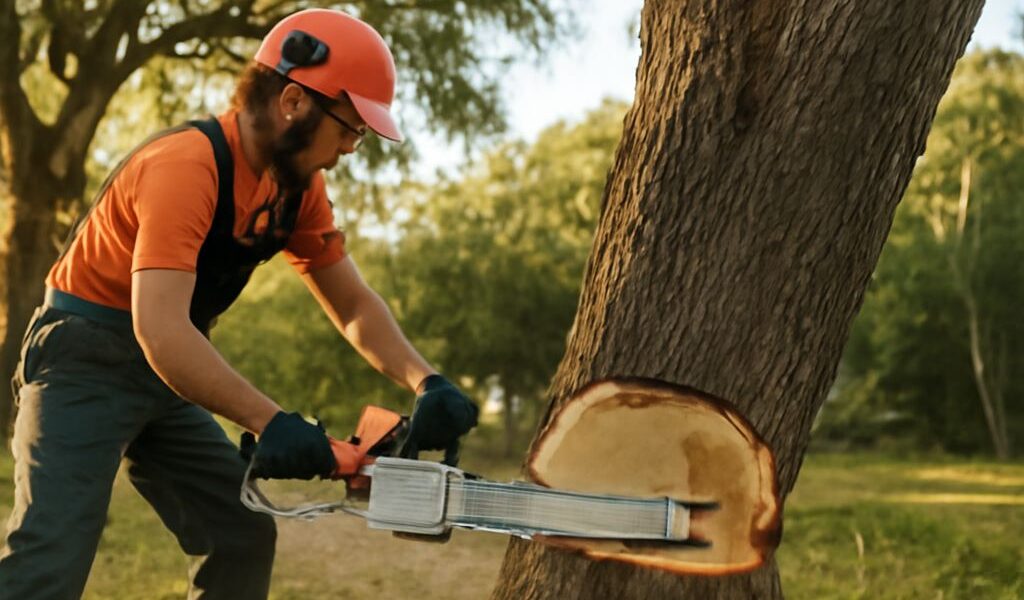
Tree removal is usually more expensive, ranging from $400 to $2,000. The cost depends on the tree’s height, diameter, and complexity of the removal process. Stump grinding, which removes the stump left after a tree is cut down, can cost between $75 and $400.
Additional services might include tree health assessments, cabling, and bracing, each with its own pricing based on the required expertise and materials. For specialized services, always request an estimate to understand what you’re paying for.
Choosing the Right Tree Company
Selecting the right tree company is crucial for receiving quality service at a fair price. Start by verifying the company’s credentials and insurance. A reputable tree company should have certified arborists on staff and provide proof of insurance to protect against liabilities.
Consider asking for referrals and reading online reviews to gauge customer satisfaction. It’s important to get multiple quotes to compare prices and services. However, remember that the cheapest option isn’t always the best. Evaluate the companies based on their experience, reputation, and your personal comfort with them.
Finally, ensure the company provides a detailed estimate that covers all aspects of the service, from labor to equipment usage. A transparent quote helps avoid unexpected costs and ensures a satisfactory experience.