 Gloria Davis
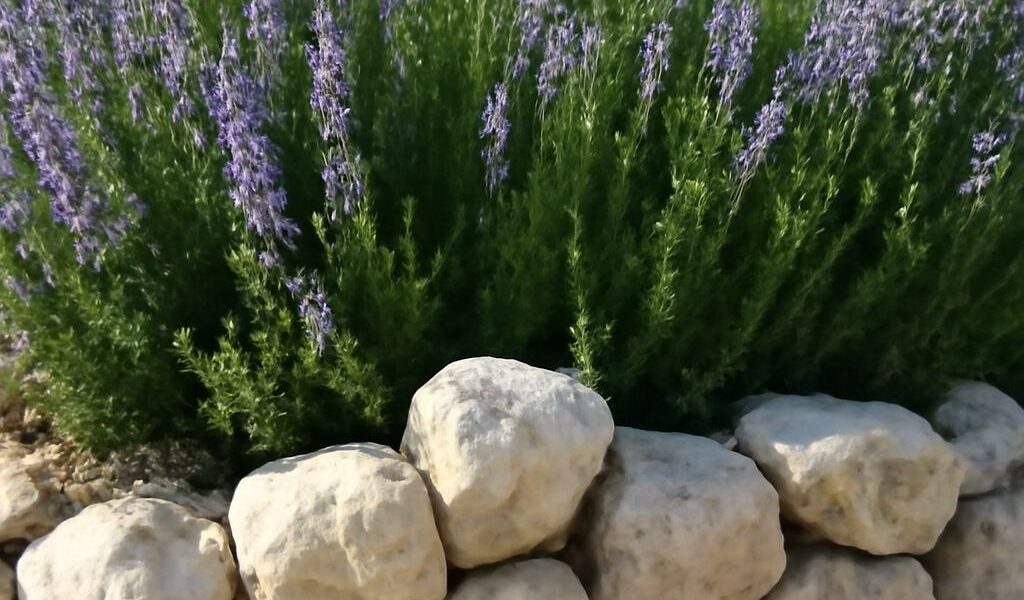
A brush against the narrow leaves releases a resinous fragrance, while blue-violet flowers gather along upright stems. Rosemary ‘Tuscan Blue’ brings both scent and structure to a sunny garden. This Rosmarinus cultivar can become a substantial evergreen shrub, so its eventual size matters as much as the small plant on the nursery shelf.
In a warm, well-drained site, it can serve as a border or specimen. In a colder climate, a container offers a way to move it to shelter before winter. Either setting calls for strong light and careful attention to how quickly water leaves the soil.
Rosmarinus Tuscan Blue: Identify the Cultivar
Rosemary is currently known botanically as Salvia rosmarinus; many plant tags and older references use Rosmarinus officinalis. The cultivar name ‘Tuscan Blue’ follows either botanical name. A tag that reads Rosmarinus Tuscan Blue identifies the same named selection when it refers to rosemary; ask the nursery to confirm the full cultivar name if the label is incomplete.
The label “blue rosemary” describes flower color, but several rosemary varieties have blue flowers. Color alone cannot tell you whether a plant has the upright habit of ‘Tuscan Blue’ or the trailing growth of another selection. Choose a labeled plant when its eventual shape is important to your design.
This Tuscan rosemary cultivar branches upward and can reach roughly 5 to 6 feet tall and 3 to 5 feet wide in favorable garden conditions, according to University of California Extension. A pot or pruning can keep it smaller, but it remains an upright shrub rather than a cascading groundcover. The flowers are attractive to visiting pollinators; their main season varies with local weather.
Choose Sun and Draining Soil
Give rosemary Tuscan Blue a place in full sun, with room around its branches for air to move. Six or more hours of direct sunlight is a useful target. A sunny path, herb bed, or sheltered border can show its vertical form, provided the site is not crowded by larger plants as they mature.
Drainage is central to its care. Roots need air as well as moisture, and soil that stays saturated can lead to root disease. Observe the area after rain: if water sits for long periods, choose another site or a properly draining raised bed. On heavy soil, a mound may help only if excess water can also leave the surrounding area.
Plant at the same depth the shrub occupied in its nursery pot. Space it for the mature width on the tag rather than the width of a young plant. Water thoroughly after planting and check the soil as roots establish. Once settled, rosemary generally needs less water than many leafy garden herbs, though a dry spell can still stress it.
Make a Container Work
Choose a stable pot with drainage holes and a well-draining potting mix. The upright canopy can catch wind, so a broad, heavy container is helpful on an exposed patio. Leave room for root growth without burying the stem deeper than before, and empty any saucer after watering.
Check the mix with a finger. When the upper portion has dried, water thoroughly and let the excess run away. The exact interval changes with pot size, temperature, sun, and wind: a small pot in summer can dry much faster than the same plant in a cool room. Repeated light splashes can leave the lower root ball dry, while a constantly wet saucer keeps roots short of air.
For ‘Tuscan Blue’ rosemary, a container also makes seasonal movement easier. In regions with cold winters, bring the plant to a bright, cool indoor location before damaging cold arrives. Acclimate it gradually when possible and keep it away from heat vents. Indoor light is weaker than outdoor sun; use a grow light if a bright window cannot supply enough light for steady growth.
Plan for Winter and Pruning
Rosemary is a tender evergreen in many parts of the United States. Hardiness varies by cultivar and by the duration of cold, wind, soil wetness, and shelter. Penn State Extension lists rosemary generally for USDA zones 8 through 10 and identifies other cultivars as more cold-hardy. Check local experience with ‘Tuscan Blue’ rather than assuming it will overwinter wherever another rosemary survives.
For the ‘Tuscan Blue’ variety of Rosmarinus in a suitable outdoor climate, a sheltered site with good winter drainage gives the shrub a better chance during cold, wet weather. In a colder garden, plan for a movable pot from the beginning instead of relying on a last-minute move of a large shrub.
Lightly trim soft growth after the main bloom to shape the plant, taking care to leave green shoots. Avoid cutting deeply into bare old wood, which may not regrow reliably. A few leafy tips can also be clipped for cooking from a plant grown for that purpose and handled according to any product labels; harvesting is secondary to maintaining its shape and health.
If your garden has full sun, draining soil, and mild winters, ‘Tuscan Blue’ rosemary can develop into an upright border or focal point. If winter temperatures are too low, choose a manageable pot and a bright place to overwinter it; for a wall or hanging basket, look instead for a named trailing cultivar.
Sources: University of California Extension: rosemary; Penn State Extension: rosemary; University of Wisconsin Extension: rosemary.