 Gloria Davis
Japanese forest grass, also known as Hakonechloa grass, is prized by gardeners and landscape designers for its graceful arching foliage and serene presence in shaded gardens. Native to the cool, wooded hillsides of central Japan, this ornamental grass stands out for its lush, bamboo-like leaves and adaptability to shaded sites. Its cascading habit and vibrant color variations—from golden chartreuse to deep green—make it a versatile addition to borders, paths, and woodland gardens. As we explore its characteristics, growing needs, landscape value, and ecological significance, we’ll see why Japanese forest grass continues to earn a place in gardens around the world.
What Is Japanese Forest Grass?
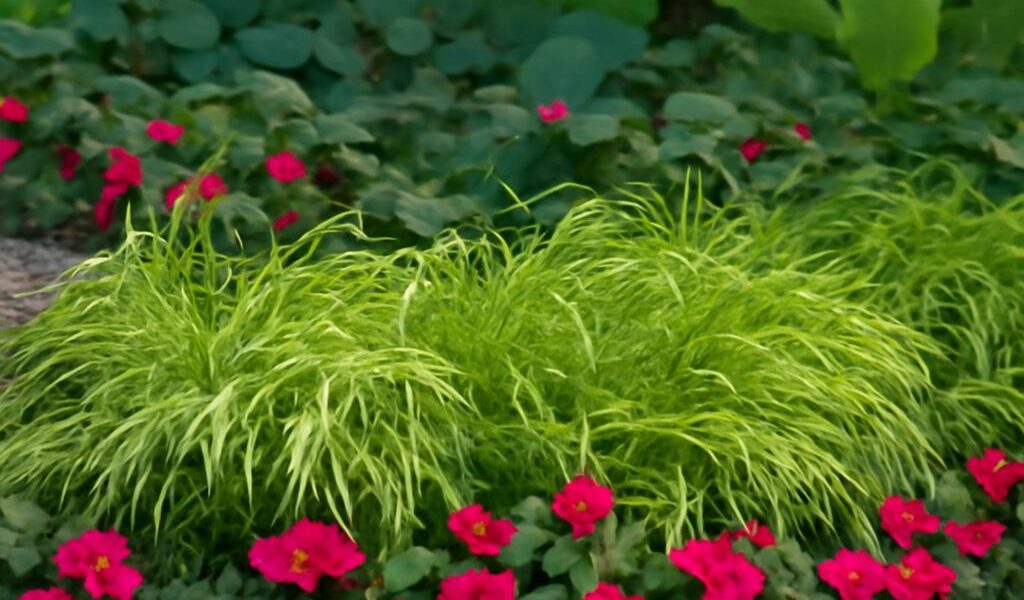
Japanese forest grass (Hakonechloa macra) is a perennial ornamental grass native to Japan, where it thrives in forested mountain regions. Unlike many ornamental grasses that prefer sun and dry soils, this species is uniquely suited to shady, moist environments. Recognized by its gently arching stems and soft, slender leaves, Japanese forest grass forms dense, mounding clumps that move elegantly in the breeze. Popular cultivars such as ‘Aureola’ (with bright gold and green striped foliage), ‘All Gold’ (vivid golden-yellow blades), and the classic green-leaved species each bring distinct looks to the garden.
The mature height ranges from 12 to 18 inches, and individual clumps can spread up to 24 inches wide over several years. In autumn, the foliage often turns shades of copper and gold, adding seasonal interest. Unlike aggressive grasses, Hakonechloa grass grows slowly and is non-invasive, making it easy to manage in mixed plantings. This ornamental grass is deer-resistant and generally free from major pests or diseases, which adds to its appeal for low-maintenance gardeners.
Ideal Growing Conditions for Hakonechloa Grass
Successfully growing Japanese grass depends on mimicking its natural woodland habitat. The key requirements include:
- Light: Partial to full shade is ideal. Too much sun can scorch the delicate foliage, especially in hotter climates.
- Soil: Rich, well-drained soil with consistent moisture is essential. Amending the planting area with compost helps retain water and provides nutrients.
- Water: Regular watering, particularly during dry periods, supports healthy growth. While Hakonechloa is tolerant of brief droughts once established, it performs best with steady moisture.
- Spacing: Allow 18 to 24 inches between plants to accommodate their spreading habit and promote good air circulation.
For planting, we recommend digging a hole twice as wide as the root ball and working in organic matter. After planting, a 2-3 inch mulch layer will help regulate soil temperature and moisture. In colder climates, Hakonechloa grass is hardy to USDA zones 5–9; mulching in late fall can protect roots from extreme cold. In spring, trim back old foliage to make way for fresh new growth.
Garden and Landscape Uses for Japanese Forest Grass
Japanese forest grass excels in diverse garden settings. Its fine foliage and mounding form make it a staple in shaded borders, woodland gardens, and under the canopy of trees. We often use it to soften the edges of paths or to cascade over retaining walls with its elegant drape. The golden and green tones of cultivars like ‘Aureola’ brighten dim garden corners, while the pure green form provides a restful, cooling effect alongside ferns and hostas.
In contemporary designs, Hakonechloa grass creates striking mass plantings or rhythmic sweeps along walkways and terraces. It pairs beautifully with Japanese maples, heucheras, astilbes, and shade-loving bulbs. Because this grass remains compact and non-invasive, it also fits well into containers or as a living groundcover beneath shrubs and trees. The subtle movement and graceful texture of Japanese forest grass infuse calm and sophistication in both classic and modern gardens.
Japanese Forest Grass in Natural Ecosystems
Beyond its ornamental value, Japanese forest grass plays a stabilizing role in its native woodlands. In Japan, it helps prevent soil erosion on slopes and supports the health of forest understories by providing shelter and microhabitat for insects and small fauna. Its dense growth helps suppress weeds, while the annual cycle of leaf growth and decomposition enriches the soil and contributes to the natural forest floor ecosystem.
In designed landscapes, we can replicate some of these ecosystem benefits by planting Hakonechloa grass on shady banks or in erosion-prone areas. Its deep roots anchor soil, reducing runoff, while the thick foliage shades out competing weeds. For gardeners interested in sustainable plant choices, incorporating Japanese forest grass supports biodiversity and healthy soil dynamics in both private gardens and public plantings.