 Gloria Davis
Knowing when to harvest lavender is the key to enjoying its most vibrant color, strongest fragrance, and longest-lasting blooms. The ideal lavender harvest window depends on both the variety you grow and your intended use, but a few visual cues and timing rules help us get the most from every plant.
How to Know When to Harvest Lavender
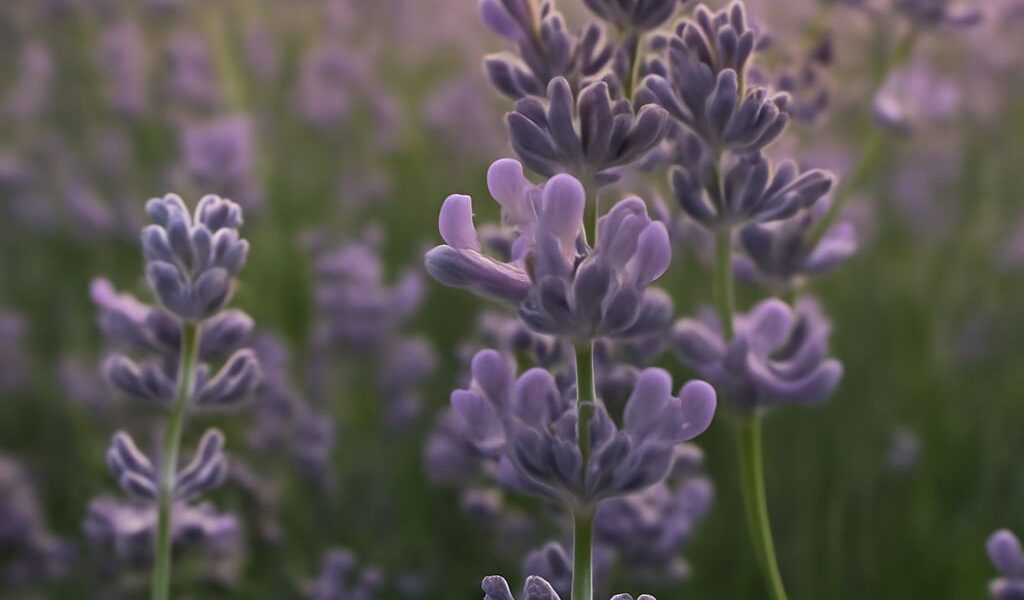
The best time to harvest lavender is when roughly half to two-thirds of the flower buds on each stem have opened. At this stage, the blooms appear plump and bright, but most of the flowers are still closed. This timing preserves the maximum oils inside the buds, giving us the richest fragrance and most vivid color after drying.
We begin by checking each lavender stem closely. If the lowest buds have opened into tiny blossoms while the upper buds remain tightly closed, that’s our signal. Waiting too long—until most of the flowers are fully open—reduces oil content and may cause petals to drop during harvesting. For culinary uses, we sometimes harvest even earlier, just as the initial buds show color but before any flowers open, ensuring the most intense flavor.
Time of day also affects harvest quality. We choose a dry morning after dew has evaporated, but before the midday sun causes essential oils to dissipate. Harvesting during this window locks in the scent and improves drying results.
Why Timing Matters for Harvesting Lavender
Harvesting lavender at the optimal moment makes a dramatic difference in the quality and longevity of the harvested stems. When we harvest too early, the buds may not have developed their full aroma or color. If we wait too late, many flowers will have opened, decreasing oil concentration and making the harvest less visually appealing for crafts or bouquets.
For those of us using lavender for essential oil extraction, timing is even more important. The oil content peaks just as the first few flowers start to open. For dried arrangements or sachets, harvesting at this stage also reduces petal drop and ensures a tidy, long-lasting result. By paying attention to the specific signals from our plants, we maximize both yield and quality from each lavender harvest.
Step-by-Step Guide to Harvesting Lavender
To ensure a successful lavender harvest, we follow these practical steps:
- Prepare your tools: Use sharp, clean pruning shears or scissors to avoid crushing stems and to keep plants healthy.
- Identify the right stems: Select stems where half to two-thirds of the buds have opened and the rest are tightly closed.
- Cut at the right place: Snip stems just above the woody part of the plant, leaving several inches of green growth. This encourages bushiness and future blooms.
- Gather in bunches: Group stems into small bundles, securing them with rubber bands or garden twine.
- Dry the lavender: Hang the bundles upside down in a cool, dark, and well-ventilated space. Avoid direct sunlight, which can fade the color and weaken the fragrance.
- Monitor drying: Check the bundles after about 1-2 weeks. The stems should feel crisp, and the buds should break off easily when rubbed between fingers.
We always avoid cutting into the old woody growth, since lavender does not regrow well from this part of the plant. By following these steps, we promote plant health and set up a strong lavender harvest each season.
Tips for a Successful Lavender Harvest
To make the most of each lavender harvest, we keep a few expert strategies in mind. First, we label varieties if we grow more than one type—English, French, and Spanish lavenders can have slightly different harvest timings and uses. Knowing which is which helps us plan our harvest more precisely.
We also stagger harvests for ongoing bloom: by checking our plants a couple of times per week during peak season, we catch each stem at its prime. If we’re harvesting for fresh bouquets, we cut stems a bit longer and harvest just as the lowest buds open. For dried uses, we prefer bundles cut when most buds are still closed, locking in fragrance and color for months to come.
Finally, after the main harvest, we trim the plants lightly to encourage a compact shape and possible repeat blooming later in the summer. With careful timing and these harvesting tips, we can enjoy beautiful, fragrant lavender across a variety of uses and preserve the health of our plants year after year.