 Gloria Davis
Healthy roses bring color and fragrance to our gardens, but rose diseases can quickly diminish their beauty. Recognizing, treating, and preventing these issues is key to maintaining vibrant rose bushes. Here, we guide you through the most common rose bush diseases, from identification to treatment and prevention, so your roses can thrive throughout the season.
How to Identify Common Rose Diseases
Early detection is the secret to managing most rose diseases. The most prevalent rose bush problems include black spot, powdery mildew, downy mildew, and rust. Each presents distinct symptoms you can spot during routine garden checks.
Black spot is one of the most widespread rose diseases. Look for round black spots with feathery edges on the upper sides of leaves, often surrounded by yellow halos. Affected leaves may drop prematurely, leaving bushes sparse and stressed.
Powdery mildew appears as white, powdery growth on leaves, stems, and buds. Leaves may curl or twist, and blooms can be deformed. Unlike some fungal diseases, powdery mildew thrives in dry conditions with high humidity.
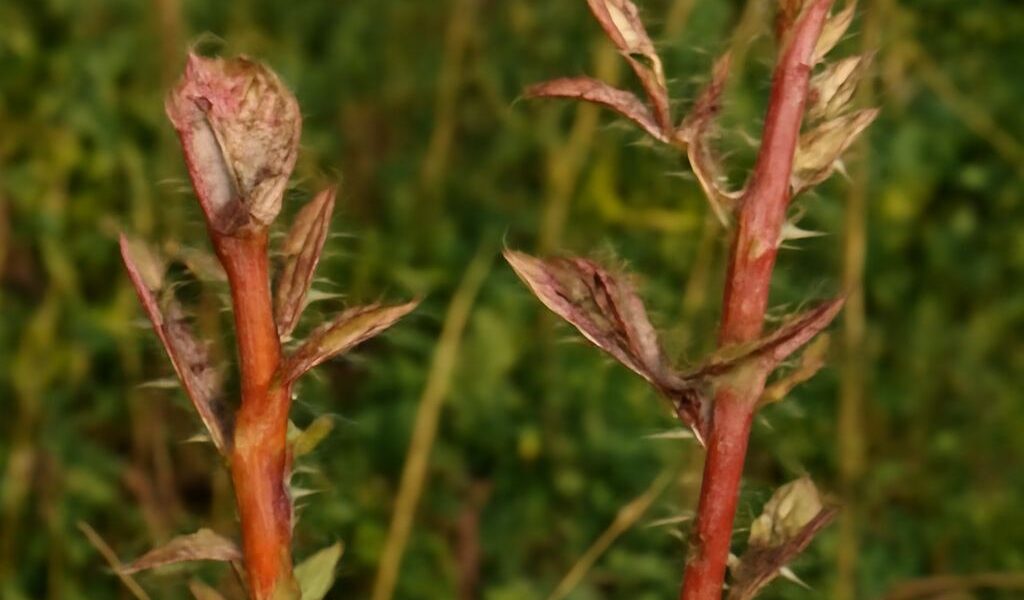
Downy mildew is less common but highly destructive. Symptoms include purple or dark red blotches on leaves, with a gray, downy growth on the underside. It often spreads during cool, wet weather and can cause rapid leaf drop.
Rust disease reveals itself as orange or rust-colored pustules on the underside of leaves, eventually turning black. Severely affected foliage may yellow and fall off. Regular inspection of new growth and the lower leaves is crucial for early rust detection.
Causes and Risk Factors for Rose Bush Diseases
Understanding what causes rose bush diseases helps us target preventative measures more effectively. Most common rose diseases are caused by fungi, though some—like mosaic virus—are spread by insects or contaminated tools. Moisture, temperature, and plant stress play significant roles in disease development.
Humidity and leaf wetness create the perfect environment for fungal spores to thrive. Black spot and downy mildew, for instance, flourish when leaves stay wet for hours due to rain, irrigation, or heavy dew. Poor air circulation intensifies the problem, as dense growth allows moisture to linger and spores to spread.
Plant stress from drought, poor nutrition, or improper pruning makes rose bushes more vulnerable to disease. Weakened plants are less capable of fighting off infections and will show more severe symptoms.
Contaminated tools and debris are often overlooked sources of infection. Fungal spores and viruses can transfer from plant to plant through pruning shears or by leaving diseased leaves around the garden. Insects like aphids may transmit certain viruses as well.
Effective Treatment Options for Rose Diseases
When rose bush diseases appear, prompt and targeted treatment makes all the difference. Begin by removing and discarding affected leaves and stems—never compost diseased material, as this can reintroduce pathogens to your garden.
Fungicides are effective for many common rose diseases. Look for products labeled for black spot, powdery mildew, or rust, and follow label instructions carefully. Organic options like neem oil and sulfur sprays can help manage outbreaks without harming beneficial insects.
For severe infestations, a combination of cultural and chemical controls works best. Prune to increase air circulation and sunlight, water at the base (not from above), and improve drainage to discourage fungal growth. Persistent downy mildew may require systemic fungicides, as surface sprays are less effective.
Non-fungal diseases, such as mosaic virus, have no cure. Remove and dispose of infected plants to prevent spread. Always disinfect tools after use to minimize the risk of transferring pathogens.
Tips for Preventing Rose Diseases in Your Garden
Prevention is the most reliable way to keep rose bush diseases at bay. Start by choosing disease-resistant rose varieties suited for your region—these cultivars are bred to withstand the most common rose diseases.
Proper spacing and pruning promote airflow and reduce humidity around foliage. Regularly thin out crowded growth, and trim away any dead or diseased branches as you spot them.
Water wisely by directing irrigation at the base of the plant, keeping foliage dry. Water early in the day to allow any moisture to evaporate, making it less likely for spores to germinate.
Good sanitation means promptly removing fallen leaves and pruning debris from around rose bushes. Clean and disinfect your tools between plants—especially after dealing with diseased specimens.
Finally, maintain healthy, vigorous roses by fertilizing and mulching as needed. Healthy plants are naturally more resilient and recover more quickly if disease does occur. By staying attentive and proactive, we can enjoy beautiful, disease-free roses year after year.