Plants in the taiga biome are producers that capture sunlight and power food webs. Learn how conifers, shrubs, herbivores, and predators connect in examples of food webs.
Plants in the Taiga Biome: Producers and Food-Web Examples
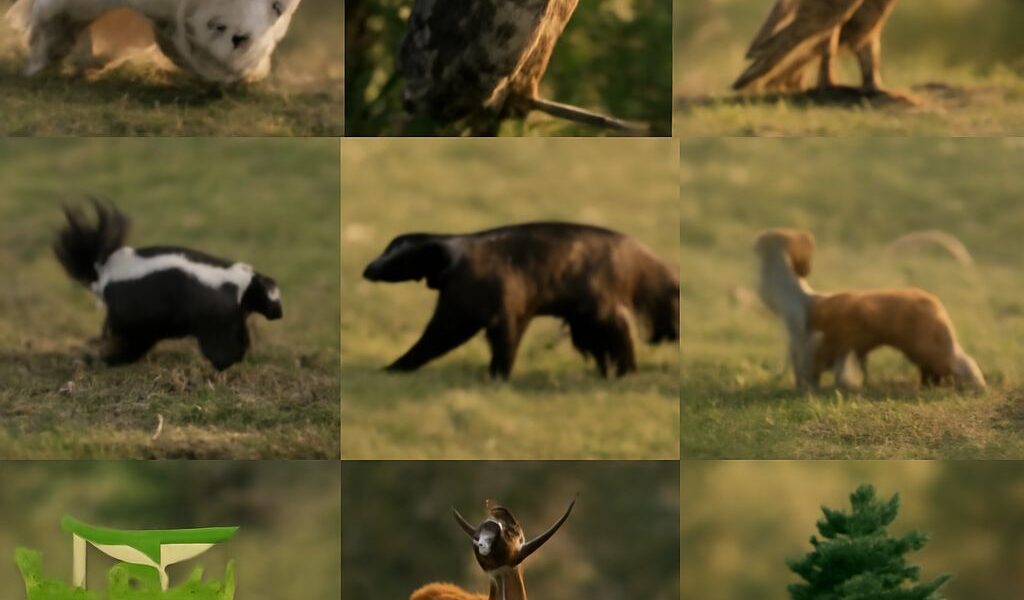
Plants in the taiga biome are producers that capture sunlight and power food webs. Learn how conifers, shrubs, herbivores, and predators connect in examples of food webs.
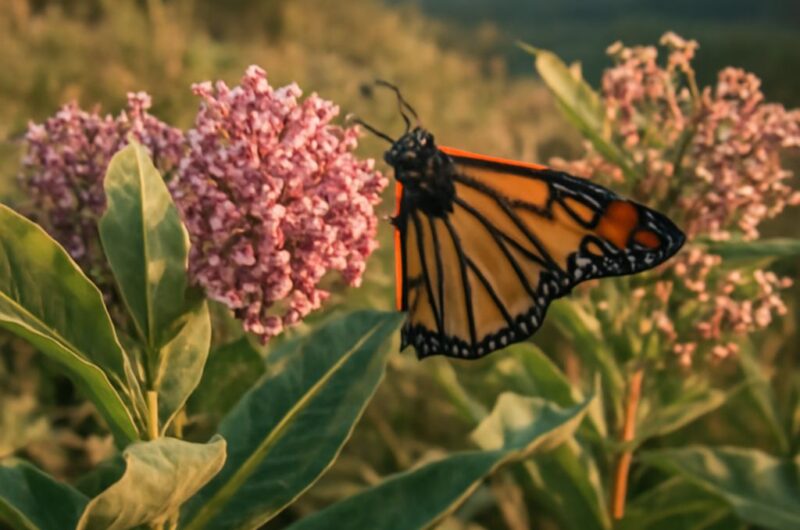
Learn what pink milkweed can mean, then choose native plants by sun, soil, moisture, height, bloom, spread, and habitat value to build a resilient planting plan for your site.

What is habitat destruction? Learn how clearing desert plants, draining scarce water, and removing shelter can break feeding links from producers to predators and decomposers.
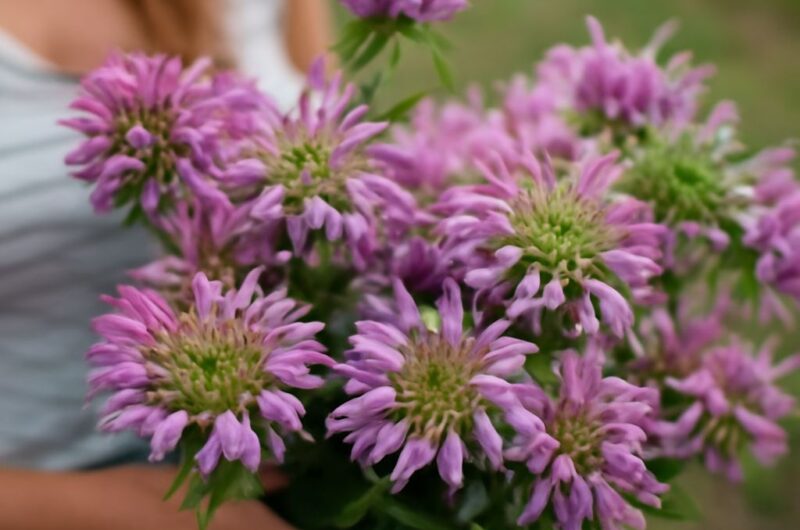
Lemon bee balm has citrus-scented leaves, square stems, and lavender flowers. Compare types of milkweed by region, moisture, size, and growth habit for a pollinator garden.
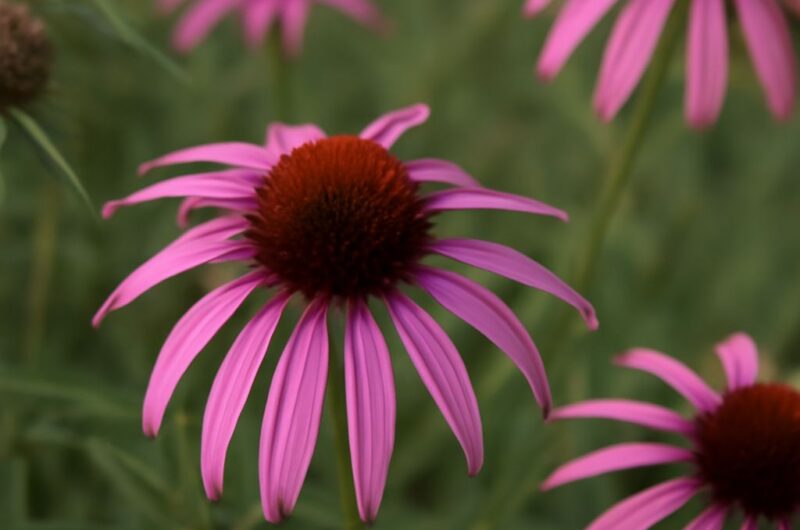
Learn how to identify orange milkweed, orange coneflower, and pale purple coneflower by their flowers and foliage, then compare sun, soil, moisture, height, bloom time, and pollinator value.
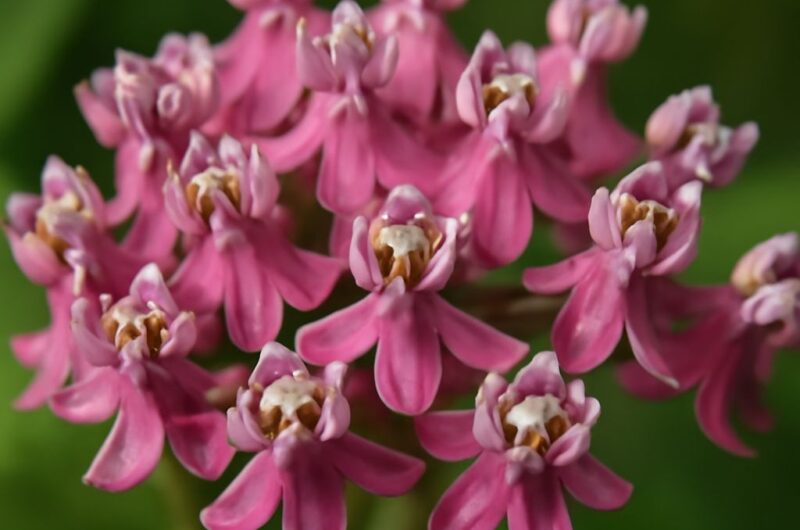
Host plants for butterflies feed caterpillars, while purple coneflower and other nectar plants support adults. Compare milkweed varieties by region, size, sun, and soil moisture.
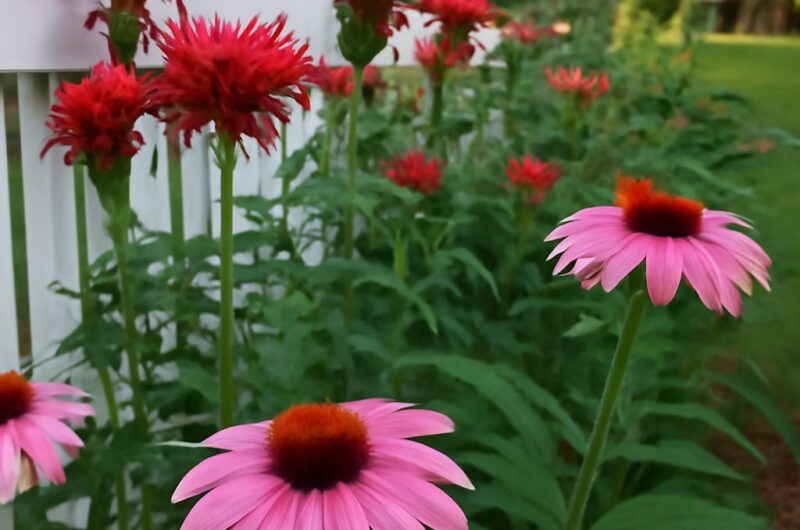
Bee balm, coneflowers, and swamp milkweed are distinct native-garden choices. Learn to identify, grow, and combine them by sun, soil, moisture, height, spread, bloom time, and pollinator value.