 Gloria Glover
 Recycling textbooks should come after reuse. We can donate, resell, lend, or pass along usable copies before sending them to a paper-recycling stream. When a book is damaged, outdated, or refused by a reuse program, its cover and binding determine whether the remaining pages can be recycled.
Egg cartons require a separate decision: paper-pulp cartons may be recyclable or compostable, while clear-plastic and foam cartons follow different routes. Check the rules for your local program before placing any of these items in a bin.
Recycling Textbooks: Reuse Before Recycling
Textbooks in good condition have the highest value when another student can use them. We can try these routes in order:
- Return or resell them: Check a campus bookstore, school exchange, online marketplace, or textbook buyback program. A current edition with clean pages is usually easiest to sell.
- Donate them: Libraries, schools, tutoring programs, thrift stores, community centers, and literacy groups may accept useful titles. Ask first, because outdated editions and specialized textbooks are often declined.
- Give them away: Offer copies to classmates, teachers, neighborhood groups, or mutual-aid organizations when resale or formal donation is impractical.
- Recycle them: Use curbside paper recycling or a local book-recycling service if the program accepts bound books.
Hardcovers can be a problem because the cover may contain cloth, plastic, leather, foil, or heavy adhesives. Some facilities accept complete hardbacks; others require us to remove the cover and spine so the pages can enter the paper stream. Paperback books are more often accepted, but local rules still control.
Recycling Old Books: Donation, Resale, and Material Recycling
For recycling old books, first separate usable copies from damaged ones. A clean, readable novel, cookbook, children’s book, or reference title may find a second owner through a used bookstore, charity shop, library sale, school, or free-giveaway group. Resale is most realistic for popular titles, collectible editions, and books in good condition; donation is often better for ordinary books that have modest market value.
Recycle books that are waterlogged, moldy, torn beyond use, or too outdated to place responsibly. Call the recycling facility if its website does not clearly address books. Some paper mills accept paperback books but exclude hardcovers because of their bindings. Others accept both and remove nonpaper components during processing.
Do not recycle books contaminated with sewage, chemicals, heavy grease, or active mold. These can spoil an entire paper load. Small amounts of writing or ordinary wear usually do not prevent acceptance, but plastic-coated pages, stickers, CDs, and laminated inserts may need removal if the facility requests it.
Recycling Egg Cartons by Material
Paper-pulp cartons: Molded fiber cartons are made from compressed paper. If clean and dry, they may belong in curbside paper recycling where accepted. Because the fibers are already short, some programs exclude them. Uncoated pulp cartons can also be composted or torn into a home compost pile, provided they have no plastic lining, foam, or significant food contamination.
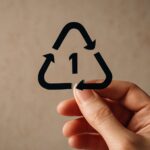
Clear-plastic cartons: These are usually rigid plastic, not paper. Look for the resin code and follow local instructions; some programs accept the specific plastic with bottles and containers, while others require a store drop-off or trash disposal. Empty the carton and wipe away residue before recycling. Do not place it in a plastic-film collection bin unless the program specifically allows rigid containers there.
Foam cartons: Expanded polystyrene foam is rarely accepted in curbside recycling. A specialty foam drop-off may take clean cartons, but many communities direct them to the trash. Keep foam away from paper recycling because it breaks apart and contaminates the load.
Prepare Books and Cartons for the Right Route
- Inspect each item for reuse, mold, wetness, grease, or chemical contamination.
- Sort books by condition, then check whether the receiving organization wants their covers and bindings intact.
- Remove plastic sleeves, CDs, laminated pieces, and loose nonpaper inserts when required. Do not tear apart a usable book just to recycle it.
- Identify each carton as paper-pulp, clear plastic, or foam before sorting it.
- Empty cartons, keep recyclable materials clean and dry, and compost only plain, uncoated pulp cartons.
- When local instructions are unclear, contact the recycling facility rather than guessing.