 Gloria Davis
Is a narrow evergreen with hanging branches the right tree for your garden? A weeping form of the Nootka false cypress can make a striking specimen, but its mature height, moisture needs, and local climate matter more than the size of the young nursery plant.
The graceful, drooping cypress sold as ‘Pendula’ is a cultivated form of a Pacific Coast species. Other trees also have hanging branches and similar common names, so check the botanical name and cultivar before planning its place in the landscape.
Weeping Cypress Names and Identification
Nootka cypress is an evergreen conifer native along the Pacific coast from Alaska to northern California. North Carolina State Extension uses the botanical name Callitropsis nootkatensis. You may also encounter Cupressus nootkatensis, Xanthocyparis nootkatensis, and Chamaecyparis nootkatensis in references or on nursery labels; different authorities have placed the species in different genera.
For the cultivated form, a label may read Callitropsis nootkatensis ‘Pendula’ or use the older combination Chamaecyparis nootkatensis Pendula. The cultivar name distinguishes the selected habit from the species as a whole. The NC State profile of ‘Pendula’ lists the former names and describes its growth.
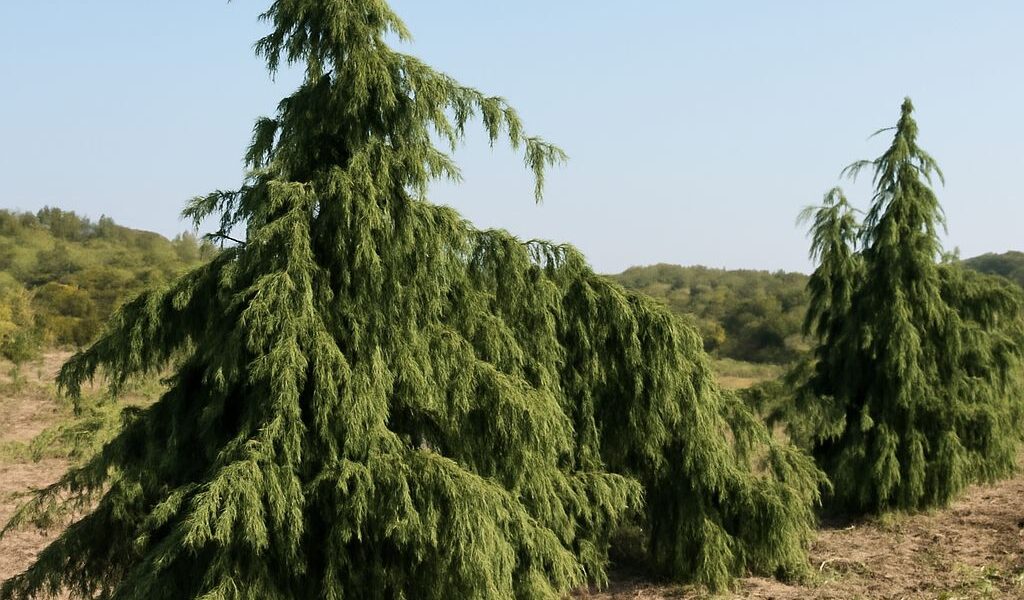
Look for blue-green to gray-green, scale-like foliage on branchlets that hang from drooping or nearly horizontal branches. The result is a layered, curtain-like outline. The species itself may have drooping branchlets, but the selected form emphasizes that habit. A specimen’s appearance also depends on its age and how it has been trained.
A weeping cypress tree is not identified by its silhouette alone. For example, weeping forms of Chinese cypress, Cupressus funebris, are different plants. Compare the full botanical name, foliage, and cone features, and ask the nursery which species and cultivar it supplies. A common name is a useful starting clue, not a substitute for the label when mature size and growing conditions matter.
Allow for a Mature Tree
The dramatic outline develops over years. NC State gives ‘Pendula’ a landscape size of approximately 30 to 45 feet tall and 10 to 15 feet wide, though specimens can be smaller in cultivation. Growing conditions, age, and training influence the result. A ten-year catalog height describes a stage in its life, not necessarily its final height.
Sketch the expected crown at maturity before digging. For a tree expected to spread 15 feet, allow at least about 7½ feet from the trunk to a structure just for the crown’s radius, then add room for access and maintenance. Increase that clearance if the individual plant’s expected spread is greater. Keep it clear of overhead wires and consult your utility about local requirements; call 811 before digging.
A single plant with open space around it lets the falling branches show their form. If planted close to a wall or path, those same branches may eventually need repeated trimming. Give roots a broad area of uncompacted soil rather than confining the tree to a small opening surrounded by pavement.
Match the Site to Its Forest Origins
This species grows naturally in cool, moist areas, including streamside forests. In a garden, choose soil that stays reasonably moist but drains, with full sun to partial shade. In warmer locations, some afternoon shade can reduce stress. Oregon State University’s profile describes its preference for moist, well-drained soil.
Test the site after a substantial rain. If water remains pooled for days, choose a better-drained position. At the other extreme, a hot, exposed slope that dries rapidly will require dependable supplemental water and may be unsuitable. A local nursery or extension office can help judge whether the tree and cultivar are appropriate for your area’s winter cold and summer heat.
Help Roots Establish
Plant at the depth the tree grew in its nursery container, with the root flare visible at or slightly above the surrounding grade. Make the planting hole wider than the root ball, loosen circling roots where needed, and water after backfilling. Apply a layer of organic mulch over the root area, keeping it away from the trunk.
During the first growing seasons, check the soil beneath the mulch and water slowly when it begins to dry. The root ball can dry before the surrounding soil, especially in warm or windy weather. Reduce watering when rainfall keeps the root zone moist, and avoid leaving it saturated. A newly planted weeping conifer needs this attention even if an established tree nearby appears to manage without irrigation.
Prune dead or damaged growth when needed and preserve the hanging branch pattern. A large tree positioned beneath a wire or against a building cannot be made permanently small by occasional pruning; an arborist can advise on a safer long-term response.
Choose ‘Pendula’ for an open site with room for its full height and spread, reliable moisture, and a climate suited to the species. For a smaller space, compare another named cultivar’s mature dimensions and requirements before planting.
Sources accessed November 19, 2026.