 Gloria Glover
Welcome to our comprehensive guide on the peace lily plant, a beloved addition to many homes and offices. Known for its elegant white blooms and lush green foliage, this plant not only enhances indoor aesthetics but also contributes to a healthier environment. In this article, we explore the unique features of the peace lily, delve into the specifics of caring for it, introduce the captivating spathiphyllum sensation variety, and highlight the benefits of having an indoor lily in your space.
What Makes the Peace Lily Special?
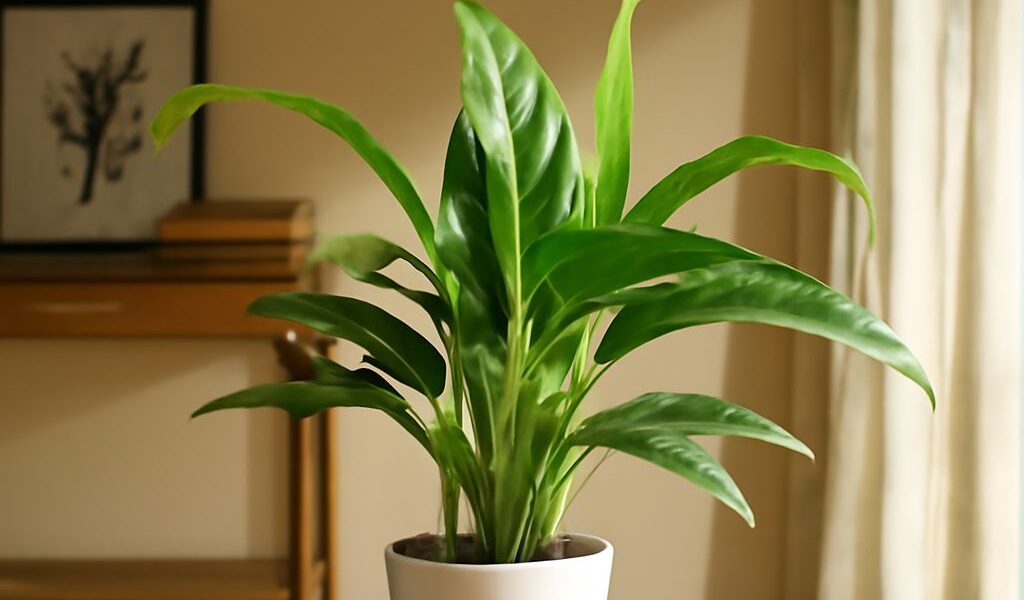
The peace lily, or Spathiphyllum, is a striking plant with brilliant white spathes that resemble flowers. These spathes surround a spadix, which is the actual flower of the plant. What sets the peace lily apart is its ability to thrive in low light conditions, making it ideal for indoor settings where natural sunlight is limited. Additionally, peace lilies are known for their air-purifying capabilities, actively filtering toxins such as benzene, formaldehyde, and ammonia from the air.
Caring for Your Peace Lily
Proper care is essential to maintaining the health and beauty of your peace lily. Here are the key care tips:
- Light: Peace lilies prefer indirect sunlight. Direct exposure can cause leaf burn, while too little light may reduce blooming.
- Water: Keep the soil moist but not waterlogged. Water your peace lily when the top inch of soil feels dry to the touch.
- Humidity: These plants thrive in high humidity. Consider misting the leaves regularly or placing a humidifier nearby.
- Temperature: Maintain a warm environment, ideally between 65-80°F (18-27°C). Avoid cold drafts and sudden temperature changes.
- Feeding: Feed your peace lily every 6-8 weeks during the growing season with a balanced houseplant fertilizer.
Introducing the Spathiphyllum Sensation
The spathiphyllum sensation is a standout variety of the peace lily known for its larger stature and striking foliage. This variety features broad, glossy leaves that can grow up to 20 inches long, making it a dramatic focal point in any room. Despite its size, caring for the spathiphyllum sensation involves similar practices to those of other peace lilies, though it may require slightly more space to accommodate its growth.
Benefits of Having an Indoor Lily
Incorporating a peace lily into your indoor plant collection offers numerous advantages:
- Air Quality Improvement: Peace lilies are renowned for their ability to purify the air, making them an excellent choice for improving indoor air quality.
- Low Maintenance: With their ability to adapt to low light and infrequent watering, peace lilies are perfect for those seeking a low-maintenance plant.
- Aesthetic Appeal: The lush green leaves and delicate white blooms add a touch of elegance and tranquility to any setting.
- Psychological Benefits: Studies suggest that plants like the peace lily can reduce stress and promote a sense of well-being.
In conclusion, the peace lily plant, with its captivating beauty and air-purifying properties, makes a wonderful addition to any indoor space. Whether you’re drawn to the classic variety or the impressive spathiphyllum sensation, these indoor lilies are sure to enhance both the aesthetic and environmental quality of your home or office.