 Gloria Glover
Crapemyrtles, often admired for their stunning blooms, are a popular choice for gardeners and landscapers alike. These vibrant trees add a splash of color and elegance to any setting. Known for their long-lasting and diverse colors, crapemyrtle trees thrive in various environments and are relatively easy to care for. In this guide, we’ll explore what makes these trees so special, their natural habitat, tips for growing and caring for crepe myrtles, and their important role in native plant ecosystems.
What Are Crapemyrtles?
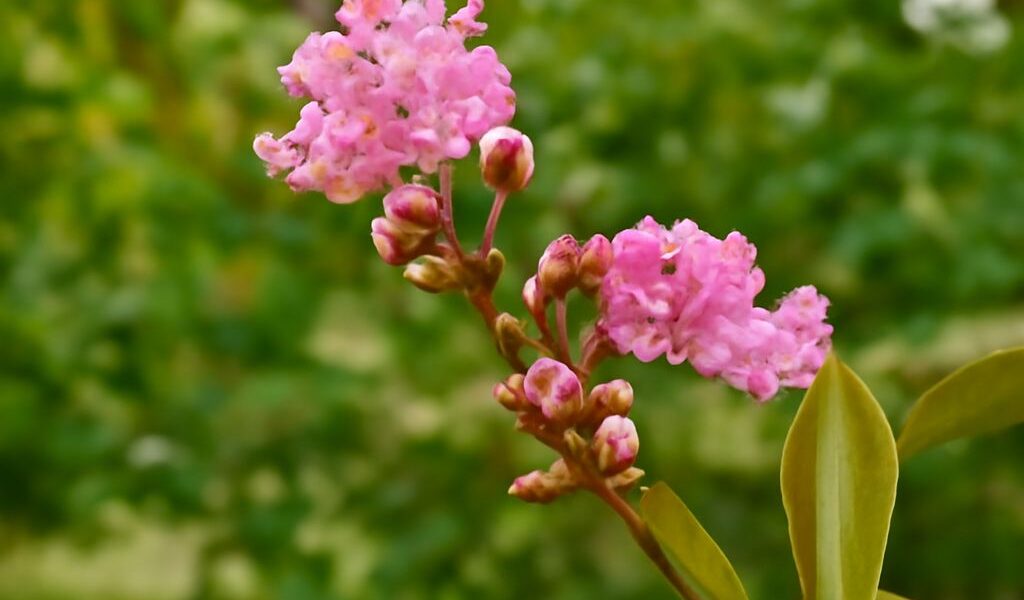
Crapemyrtles are a genus of deciduous trees and shrubs known scientifically as Lagerstroemia. With over 50 species, these trees are renowned for their strikingly colorful flowers, which range from shades of pink and red to white and purple. Most crapemyrtle trees have a smooth, mottled bark that sheds annually, adding another layer of visual interest. Their blooms typically last from late spring until early fall, making them a favorite for extended seasonal beauty.
The Natural Habitat of Crapemyrtle Trees
Originally native to the Indian subcontinent, Southeast Asia, and northern Australia, crapemyrtle trees have adapted well to a variety of climates. They thrive in hardiness zones 7 through 9 in the United States, where they can enjoy warm temperatures and plenty of sunlight. These trees prefer well-drained soil and can tolerate drought conditions once established, making them an excellent choice for areas prone to dry spells.
Growing and Caring for Crepe Myrtles
When planting crepe myrtles, it’s important to choose a location that receives full sun for at least six hours a day. This ensures optimal flowering and growth. Plant them in well-drained soil, and consider adding organic matter or compost to improve soil quality if necessary.
Water the trees regularly during their first year to help establish their root systems. Once established, crepe myrtles are relatively drought-tolerant, though they will benefit from occasional deep watering during extended dry periods. Pruning is an essential part of maintaining their shape and encouraging blooms. The best time to prune is in late winter or early spring before new growth begins. Remove any dead or crossing branches, and thin out the canopy to allow for better air circulation.
The Role of Crapemyrtles in Native Plant Ecosystems
Crapemyrtles contribute significantly to native plant ecosystems by providing habitat and food for various wildlife species. Their flowers attract pollinators such as bees and butterflies, while birds often feast on the seeds. Moreover, the dense foliage offers shelter for small animals. By incorporating crapemyrtles into our landscapes, we support biodiversity and create vibrant, ecologically balanced gardens.