 Gloria Davis
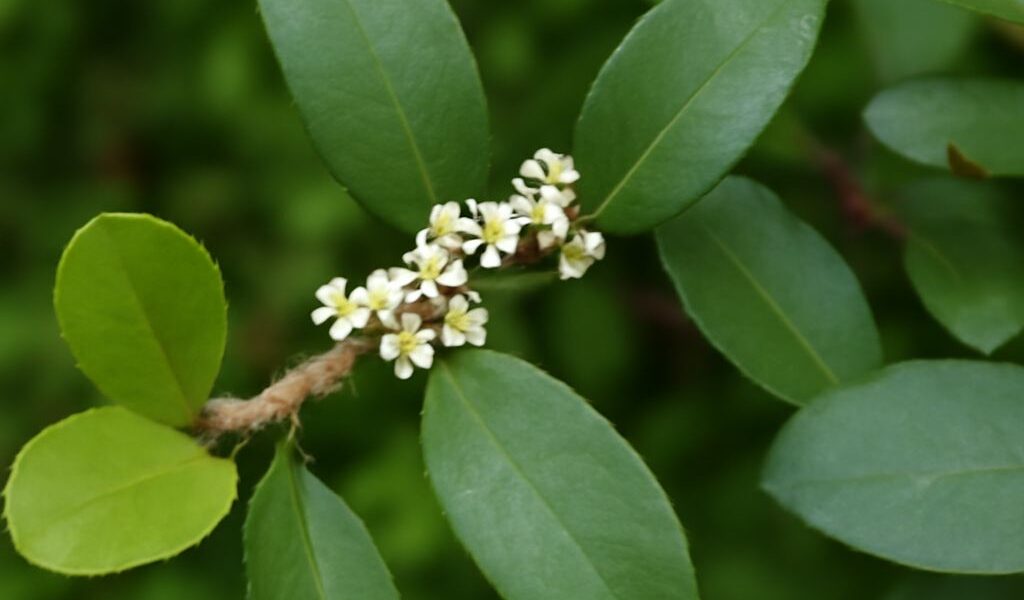
Yaupon holly, scientifically known as Ilex vomitoria, is a remarkable native plant that is both versatile and resilient. Known for its glossy green leaves and vibrant red berries, the yaupon plant is a favorite among gardeners in North America. Often considered a landscaping gem, yaupon holly can serve both aesthetic and practical purposes in your garden.
Characteristics of Yaupon Holly
Yaupon holly is an evergreen shrub that can be found naturally in the southeastern United States. One of the defining features of this plant is its small, glossy leaves that remain green throughout the year. Additionally, the yaupon bush is adorned with bright red berries, typically appearing in the fall and lasting through winter, providing a splash of color during the colder months.
This plant can grow as either a small tree or a large shrub, reaching heights of 15 to 30 feet when left untrimmed. It has a dense branching pattern that can serve as an excellent privacy screen or hedge. Yaupon holly is dioecious, meaning that male and female flowers are on separate plants. Therefore, to enjoy the vibrant berries, you will need to plant both male and female yaupon bushes.
Growing Conditions for Yaupon Bushes
Yaupon hollies are known for their adaptability to various growing conditions, making them an excellent choice for gardeners of all skill levels. These plants thrive in full sun to partial shade and are tolerant of different soil types, from sandy to clay soils. However, they prefer well-drained soils to prevent root rot.
When considering where to plant your yaupon bush, it is essential to note that it is drought-tolerant and can withstand prolonged dry periods once established. This attribute makes it particularly suitable for xeriscaping and other low-water landscaping designs. In terms of climate, yaupon hollies are hardy in USDA zones 7 through 9, where they can withstand the occasional frost.
Benefits of Planting Yaupon
Planting yaupon in your garden offers multiple benefits beyond its visual appeal. Firstly, it serves as a valuable food source for wildlife. The berries attract birds such as mockingbirds, robins, and cedar waxwings, while the dense foliage provides excellent shelter for small animals.
In addition to supporting wildlife, yaupon holly has cultural and historical significance. It is one of the few plants native to North America that naturally contains caffeine. Historically, Native American tribes brewed “Black Drink” from its leaves for ceremonial purposes. Today, yaupon tea is making a comeback as an alternative to traditional caffeinated beverages.
Finally, yaupon hollies are low-maintenance plants that require minimal care once established. They are resistant to most pests and diseases, making them an easy option for gardeners looking to add a hardy, attractive plant to their landscape.