 Gloria Glover
The California poppy is a vibrant symbol of the Golden State, known for its brilliant orange petals and delicate, silvery-green foliage. As we delve into the world of this iconic plant, we’ll explore its ecological significance, the role it plays in native habitats, and practical tips for growing California poppies in your own garden. Additionally, we’ll touch on the conservation efforts and challenges that impact this beloved native species.
What Are California Poppies?
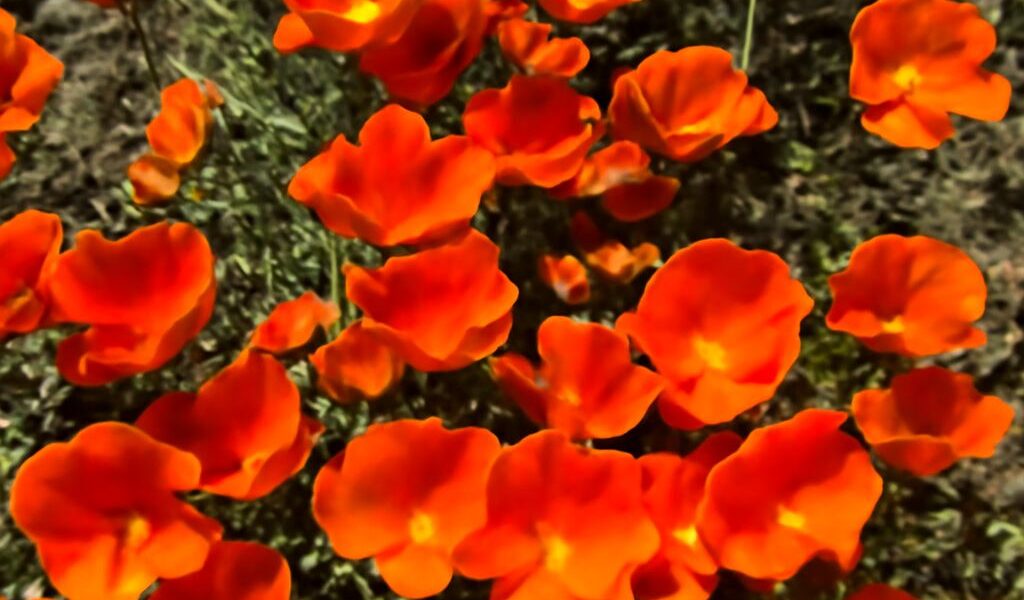
California poppies, scientifically known as Eschscholzia californica, are annual or perennial flowering plants native to the western United States and Mexico. These resilient blossoms are especially well-suited to dry, sandy areas, thriving in full sunlight. The flowers open in response to daylight and close at night or on cloudy days, adding a dynamic touch to the landscape.
The poppies are instantly recognizable by their bright orange petals, although variations can include shades of yellow, red, and pink. The plant itself is low-maintenance, with a taproot system that allows it to access deep water sources, making it an excellent choice for drought-tolerant gardens.
Ecological Role of the California Poppy Plant
The California poppy plant plays a crucial role in its native ecosystem. As a pioneer species, it often establishes itself in disturbed soils, helping to prevent erosion and pave the way for other plant species. This makes it an essential component of ecological succession.
Moreover, California poppies are beneficial to local wildlife. They provide a vital nectar source for pollinators such as bees and butterflies, supporting biodiversity. The seeds are also consumed by birds and small mammals, further integrating the poppy into the food web.
Growing California Poppies in Your Garden
Incorporating California poppies into your garden is a rewarding endeavor. To start, choose a planting site that offers full sun exposure and well-drained soil. Poppies prefer poor to moderately fertile soils, so there’s no need for heavy fertilization.
- Sowing: The best time to sow seeds is in the fall or early spring. Scatter them on the soil surface and lightly press them into place without covering them, as they require light to germinate.
- Watering: These plants need minimal watering once established. Overwatering can lead to root rot, so allow the soil to dry out between watering sessions.
- Maintenance: Deadheading is not essential, but it can encourage a prolonged blooming period. Allow some flowers to go to seed if you wish for them to self-seed and return the following year.
With these simple steps, you can enjoy a stunning display of California poppies that not only beautify your garden but also support the local ecosystem.
Conservation Efforts and Challenges
Despite its abundance, the California poppy faces several conservation challenges. Urban development and agriculture have led to habitat loss in some regions. Invasive species also pose a threat by competing for resources and altering natural habitats.
Conservation efforts are in place to address these challenges. Initiatives such as native plant restoration projects and the establishment of protected areas aim to preserve natural habitats and promote biodiversity. Public awareness campaigns encourage the planting of native species like the California poppy to support local ecosystems.
By understanding and supporting these efforts, we can help ensure that future generations continue to enjoy the beauty and ecological benefits of the California poppy.