 Gloria Glover
The anthurium plant, often referred to as the “flamingo flower” or “laceleaf,” is a popular choice among houseplant enthusiasts. Known for its vibrant colors and unique shape, the anthurium is as much a conversation starter as it is an indoor decoration. In this guide, we’ll explore the characteristics, natural habitat, and care instructions for maintaining healthy anthuriums.
What is an Anthurium Plant?
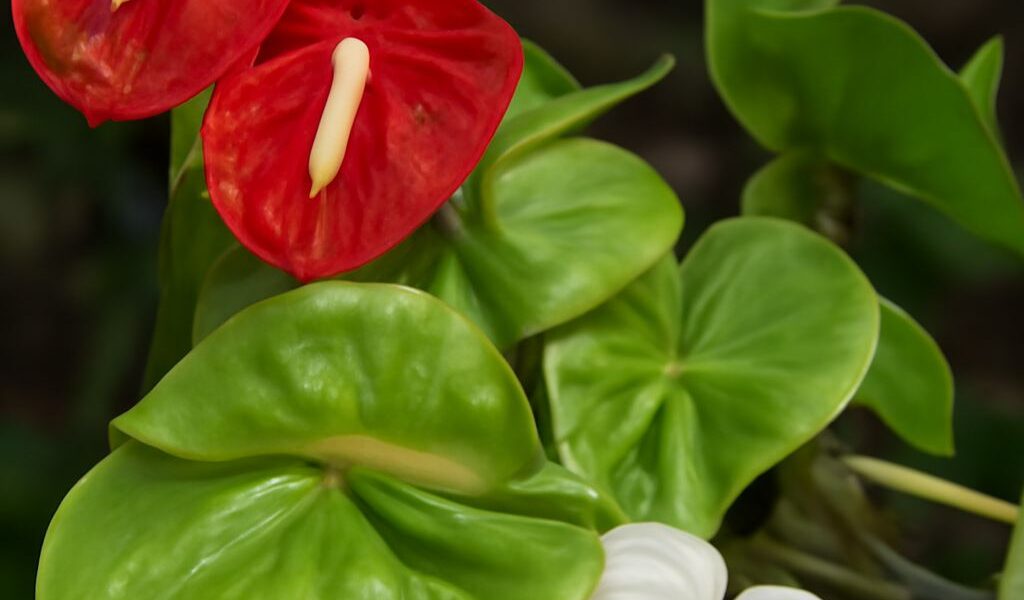
Anthuriums are a genus of flowering plants belonging to the Araceae family. Native to the tropical regions of the Americas, anthuriums boast over 1,000 species. These plants are primarily grown for their attractive spathes and spadices, which are often mistaken for flowers. The spathes are the colorful, modified leaves that surround the less conspicuous spadix, which is the true flower structure. This plant’s exotic appearance makes it a favorite for those looking to add a touch of the tropics to their home.
Natural Habitat of Anthuriums
The natural habitat of anthuriums spans from northern Mexico to northern Argentina and parts of the Caribbean. They thrive in humid, tropical environments with dappled sunlight, mimicking the under-story conditions of their native rainforests. These plants prefer warm temperatures ranging from 65°F to 80°F (18°C to 27°C) and high humidity levels. In their natural habitat, anthuriums grow as epiphytes, living on the surfaces of other plants and deriving nutrients and moisture from the air and rain.
Distinctive Features of Anthurium Flowers
The anthurium flowers are renowned for their distinctive appearance. The spathes can come in various colors, including red, pink, white, and green, lending a striking visual appeal. The heart-shaped form of the spathe with a glossy finish adds to the plant’s allure. The spadix, which emerges from the spathe, is often creamy white or yellow and hosts the plant’s true tiny flowers. This combination of vivid colors and unique shapes makes anthuriums a sought-after plant for floral arrangements and decorative purposes.
How to Care for Your Anthurium
Caring for antherium requires attention to its environmental and watering needs. Here are some essential tips:
- Light: Place your anthurium in bright, indirect light. Direct sunlight can scorch the leaves, while too little light can reduce blooming.
- Watering: Water the plant thoroughly, but allow the top inch of soil to dry out between waterings. Overwatering can lead to root rot, so it’s crucial to maintain a balanced moisture level.
- Humidity: Keep the humidity high by misting the plant regularly or placing it near a humidifier. Dry air can cause the leaves to brown at the edges.
- Soil: Use a well-draining potting mix, ideally one formulated for orchids or bromeliads, to prevent waterlogging.
- Fertilization: Feed your anthurium with a balanced, water-soluble fertilizer every 6 to 8 weeks during the growing season.
By understanding and catering to these needs, we can ensure a thriving environment for our anthurium plant, allowing it to flourish and brighten our living spaces with its elegant blooms.