 Gloria Davis
Begonias are beloved for their vibrant colors and unique foliage, making them a popular choice for gardens and indoor spaces alike. However, understanding whether begonias prefer sun or shade is crucial for their care. Let’s dive into the essentials of caring for begonias, explore their stunning colors, and get tips on how to plant them successfully.
Begonias: Sun or Shade?
When it comes to the question of begonias sun or shade, the answer depends on the variety. Most begonias thrive in partial shade, where they receive dappled sunlight. However, some varieties, like the wax begonias, can tolerate more sun, especially in cooler climates. If you’re growing begonias indoors, ensure they are placed in bright, indirect light to mimic their natural habitat.
Understanding Begonia Leaves
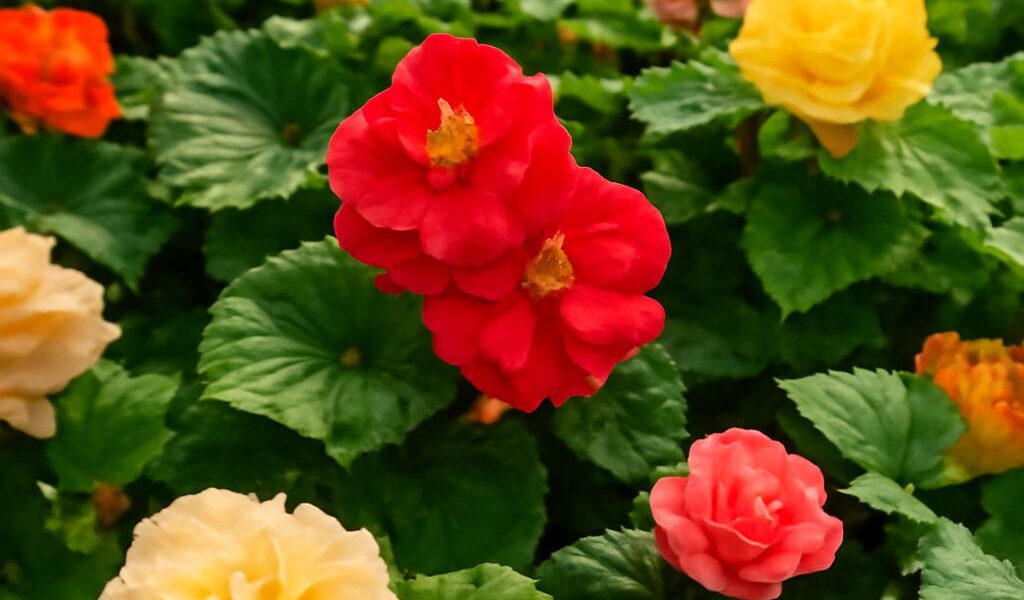
The leaves of begonias are as diverse as the flowers themselves. Begonia leaves can range from glossy and succulent to textured and colorful. It’s essential to monitor the leaves for any signs of distress, such as wilting or discoloration, which may indicate improper lighting or watering issues. Healthy begonia leaves are vibrant and firm, contributing to the overall aesthetic of the plant.
Exploring Begonia Colors
Begonias boast a wide array of colors, including shades of red, pink, white, yellow, and orange. This vibrant palette allows gardeners to choose begonias that complement their garden’s color scheme or indoor decor. The color intensity can vary depending on the light exposure; for example, more light often results in more vibrant blooms.
Tips for Planting Begonias
When planting begonias, it’s crucial to choose well-draining soil to prevent root rot. Begin by selecting a location with the appropriate light conditions based on the variety. Plant begonias after the last frost when the soil is warm. Space the plants adequately to ensure good air circulation, which helps prevent fungal diseases.
- Soil: Use a balanced, well-draining potting mix.
- Watering: Water thoroughly but allow the soil to dry slightly between waterings.
- Fertilizing: Feed begonias with a balanced liquid fertilizer every few weeks during the growing season.
- Pruning: Remove dead flowers and leaves to encourage new growth and maintain the plant’s appearance.
By understanding the specific needs of begonias regarding light, soil, and care, we can ensure they thrive and bring their vibrant beauty to our spaces, whether in the garden or indoors.