 Gloria Davis
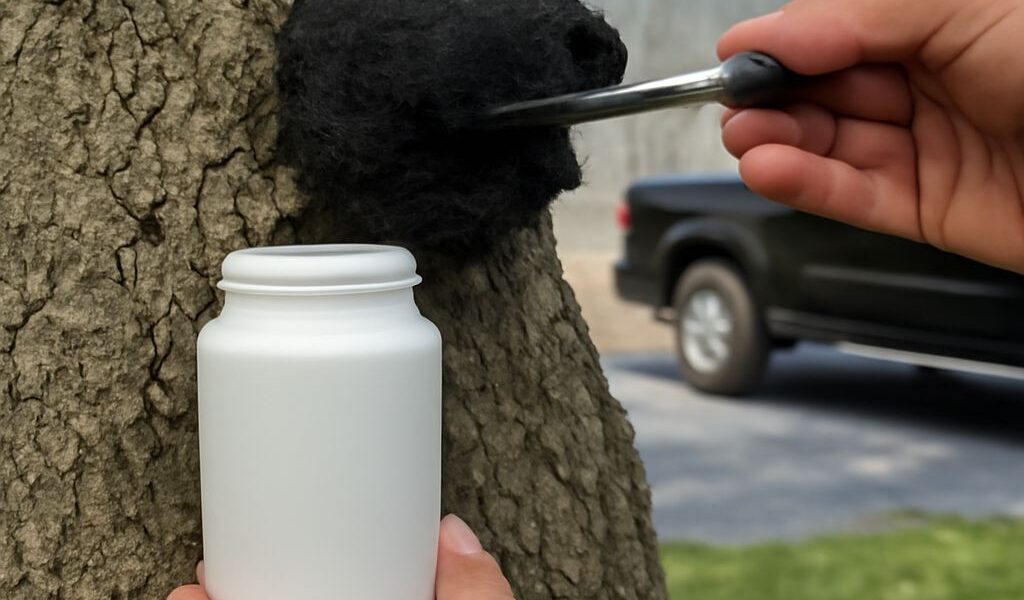
A fresh pruning cut may look like a wound that needs a protective bandage. For most trees, however, a coating over the cut is unnecessary. The tree responds to injury by forming internal barriers and growing new tissue around the exposed wood. The placement and size of the cut matter more to that process than a container of sealant.
There are specific exceptions. A sealer used after pruning a tree can help reduce disease transmission when an oak is wounded during a local period of oak wilt risk. The decision begins with the tree species, the place, and the reason for the cut.
Tree Pruning Sealer: What Happens Beneath a Cut?
A tree does not repair a wound in the same way skin repairs a scrape. Instead, it restricts the spread of decay through a process called compartmentalization. New wood and wound tissue develop around the edges over time, gradually closing over the exposed surface. The injured wood itself is not replaced as though the cut had never happened.
A tree pruning sealer cannot recreate the original branch or restore a damaged collar. A pruning wound sealer may interfere with closure or create conditions favorable to decay. Penn State Extension notes that some oil-based paints and tar can slow wound closure. For a routine cut on a healthy tree, leave the surface exposed and focus on making the cut correctly.
The branch collar is the often slightly swollen area where a branch meets its parent stem. It contains tissues important to the tree’s response. Cut just outside this collar without slicing into it, and avoid leaving a long stub. A small, well-placed cut gives the tree less exposed wood to close over than a large or flush cut.
Why a proper cut matters
Before using any sealer for a pruning cut, decide whether the branch needs to come off at all. Remove a small dead or rubbing branch for a clear reason, rather than cutting simply to make a crown look even. Use clean, sharp tools and work only on branches you can safely reach from the ground.
If you are shortening a small shoot, cut back to an appropriate side branch or bud rather than leaving a bare stub. When removing a branch at its base, identify the collar first. The cut should remove branch tissue while preserving the collar. Step back and check the result before making another cut; each wound asks the tree to allocate resources to containment and closure.
Large limbs require a different level of care. Their weight can tear bark as they fall, enlarging the wound and creating a hazard below. A qualified arborist can use appropriate cutting techniques and equipment, assess the branch structure, and decide how much living crown to retain. Keep clear of utility lines and contact the utility if a branch is near or touching one.
The oak wilt exception
Oak wilt is a serious fungal disease spread both through connections between roots and by insects that visit fresh wounds. In areas where the disease occurs, avoiding unnecessary oak pruning during the period of local insect activity is an important preventive measure. Dates depend on geography and weather, so consult your state forestry agency or local extension service before scheduling work.
In Minnesota, University of Minnesota Extension identifies April through July as a high-risk period and advises against wounding oaks then. If a storm causes a wound or safety requires a cut during that period, the guidance is to cover the wound immediately with latex-based paint or shellac. The aim is to mask fresh wound odors that attract sap beetles, not to make wood heal faster.
Follow the current advice for your location and tree. Local guidance may specify other periods of caution and accepted materials. Painting a wound does not treat an oak already infected through its roots, nor does it replace professional diagnosis. Do not move firewood from affected oaks without checking local rules and recommendations; wood can carry the disease to another area.
What to do after ordinary pruning
For a routine cut with no local disease exception, put the pruning paint away. A sealer for a tree pruning wound is unnecessary in this ordinary case. Keep lawn equipment from striking the trunk, protect the root zone from compaction, and water appropriately during dry periods. A healthy crown and functioning roots help the tree maintain the resources it needs to respond to injury.
Check the site over the following seasons. Wound tissue may form a raised rim around the edge and gradually grow inward; closure takes time, particularly on a large cut. A small amount of sap after pruning certain species can be seasonal. Extensive decay, a spreading dead area, a crack, or a dangerous hanging limb calls for an arborist’s assessment rather than an application of tree sealant.
Choose by circumstance: for a normal, correctly placed cut, leave the surface uncovered. For a freshly wounded oak in an area and season with oak wilt risk, follow local instructions immediately on whether and how to cover it. If the branch is large, damaged, or unsafe to reach, keep clear and call a qualified professional.