 Gloria Davis
When the cold months approach, we often wonder what happens to mosquitoes in the winter. These pesky insects seem to vanish, leaving many to speculate about their fate. In reality, mosquitoes employ several fascinating survival strategies to endure the winter months. Let’s explore how these creatures manage to survive and where they go during winter.
Mosquito Survival Strategies During Winter
Mosquitoes have developed various strategies to survive the cold. One common method is diapause, a hibernation-like state that allows them to pause their development until conditions improve. This is particularly true for species like the Culex mosquitoes, whose adults enter diapause in response to shorter days and cooler temperatures.
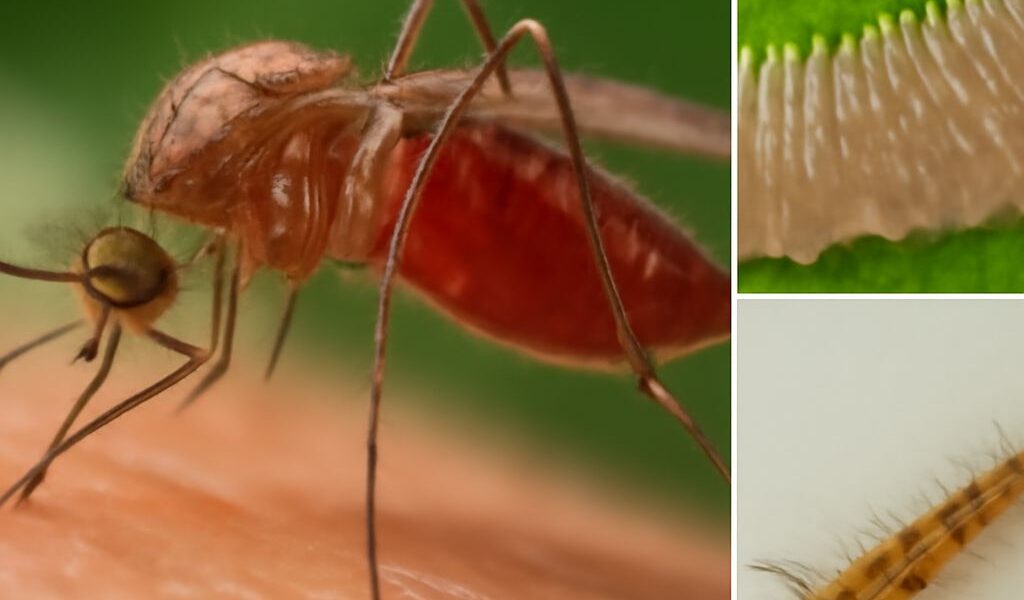
Eggs of some mosquito species are also exceptionally hardy. Laid in the late summer, they can withstand freezing temperatures and hatch when the weather warms in spring. This ensures that the next generation is ready to thrive as soon as conditions are favorable.
Where Do Mosquitoes Go During the Winter?
So, where do mosquitoes go during the winter? Adult mosquitoes hide in sheltered locations such as hollow logs, animal burrows, and human-made structures like barns and sheds. These environments offer protection from harsh weather, allowing mosquitoes to conserve energy and survive until spring.
Additionally, some mosquitoes remain in aquatic environments during the winter. Larvae can be found submerged in water that doesn’t freeze completely, such as ponds or wetlands with a stable thermal layer.
Impact of Winter on Mosquito Populations
The winter months have a significant impact on mosquito populations. While many adults do not survive the cold, those that do emerge in the spring are often more resilient. This seasonal die-off can help control populations naturally, reducing the number of mosquitoes come spring.
However, mild winters may lead to higher survival rates, resulting in larger populations once temperatures rise. This variability is why mosquito control remains a critical consideration for public health, especially in regions prone to diseases transmitted by these insects.
Understanding these survival strategies and winter behaviors helps us better anticipate mosquito activity and implement effective control measures when needed.