 Gloria Glover
In the intricate ecosystems of forests, aquatic insects play a vital yet often overlooked role. These underwater bugs are not only fascinating in their diversity but also crucial in maintaining the ecological balance of their habitats. From clear streams to murky ponds, they inhabit a range of aquatic environments, each adapted to thrive in their unique conditions. In this article, we’ll explore what aquatic insects are, identify common types, discuss their roles in forest ecosystems, and delve into their remarkable adaptations for underwater living.
What Are Aquatic Insects?
Aquatic insects are a diverse group of insects that spend at least part of their life cycle in water. These insects can be found in a variety of aquatic environments, including rivers, lakes, and wetlands. They are an essential part of the food web, serving as prey for fish, birds, and other wildlife. Aquatic insects range from those that spend their entire lives underwater to those that only inhabit water during their larval stages.
Common Types of Aquatic Insects
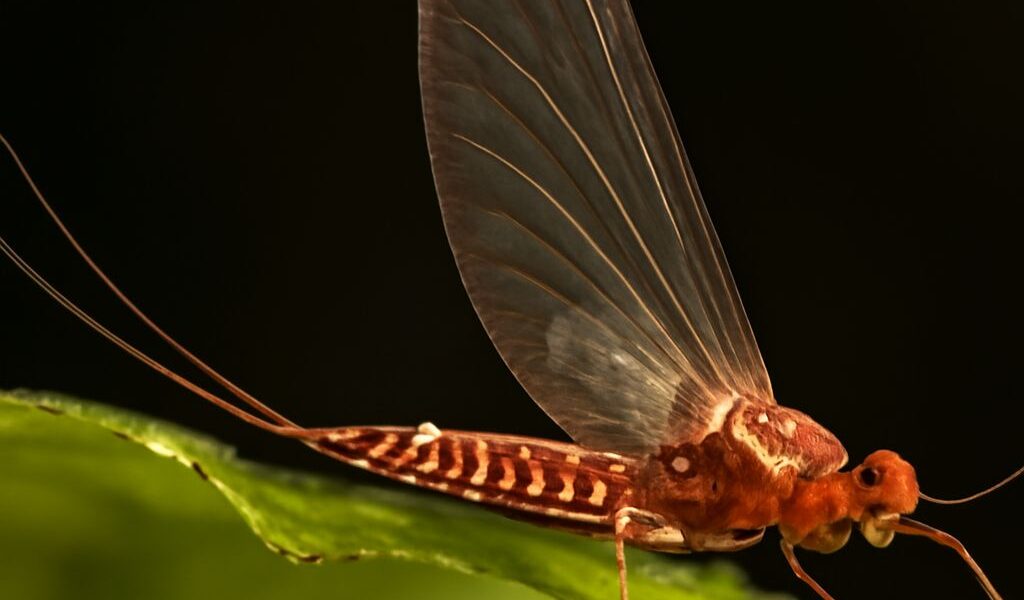
Numerous species of aquatic insects can be found in forest ecosystems. Among the most common are dragonflies and damselflies, whose larvae, known as nymphs, are voracious predators in the water. Caddisflies are another prevalent group; their larvae construct protective cases from materials like sand and plant debris. Stoneflies and mayflies are also typical inhabitants of forest streams, with larvae that require clean, well-oxygenated water. Each of these insects plays a distinct role in their respective habitats.
Roles of Aquatic Insects in Forest Ecosystems
The roles aquatic insects play in forest ecosystems are diverse and significant. They contribute to the decomposition of organic matter, thereby recycling nutrients and supporting plant growth. These insects are also integral to the diet of many fish and amphibians, linking aquatic and terrestrial food webs. Furthermore, the presence and abundance of certain aquatic insects can serve as biological indicators of water quality, helping to identify pollution levels and ecosystem health.
Adaptations for Underwater Living
To thrive in aquatic environments, these insects have developed remarkable adaptations. For instance, many insect larvae possess gills for underwater respiration, while others, like certain beetles and mosquitoes, utilize air bubbles or siphons to breathe. Some insects have streamlined bodies to reduce water resistance, enabling swift movement. Additionally, behavioral adaptations such as case-building or burrowing help protect against predators and environmental changes.
By understanding the fascinating world of aquatic insects, we can better appreciate their crucial roles in forest ecosystems. These underwater bugs not only contribute to the ecological balance but also offer insights into the health of their habitats, underscoring the importance of preserving these vital creatures and their environments.