 Gloria Glover
In the intricate web of life that makes up forest ecosystems, decomposers play a crucial role. These organisms break down dead organic material, recycling nutrients back into the soil, and maintaining the balance of the ecosystem. Understanding the types of decomposers and their specific roles, particularly decomposer bacteria, helps us appreciate their importance in sustaining healthy forests.
What Are Decomposers?
Decomposers are organisms that break down dead or decaying organisms, enabling the recycling of nutrients. They include a variety of fungi, bacteria, and invertebrates such as earthworms and insects. By processing dead plants and animals, decomposers help convert complex organic materials into simpler substances that plants can absorb and use for growth.
Types of Decomposers in Forests
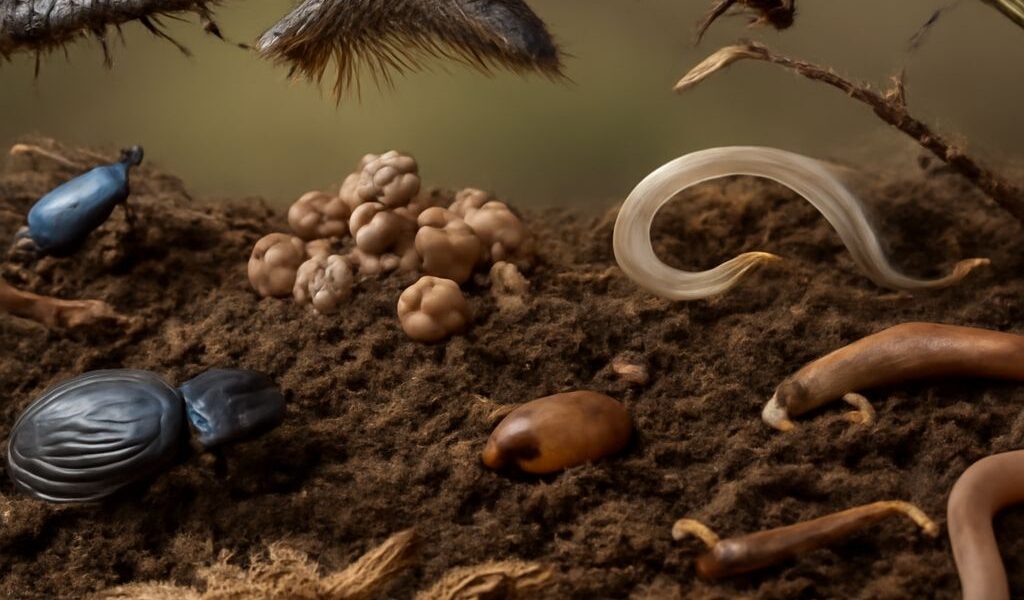
In forest ecosystems, decomposers can be broadly categorized into fungi, bacteria, and invertebrates. Fungi are among the most efficient decomposers. They break down tough plant materials, such as lignin and cellulose, which are components of wood. Bacteria, including specific decomposer bacteria, work alongside fungi to decompose organic matter on a microscopic level. Finally, invertebrates like earthworms, beetles, and ants physically break down organic material, increasing the surface area for fungi and bacteria to act upon.
The Role of Decomposer Bacteria
Decomposer bacteria are microscopic single-celled organisms that play a significant role in nutrient cycling. These bacteria decompose organic matter by secreting enzymes that break down complex organic compounds. This process releases essential nutrients such as nitrogen, phosphorus, and potassium back into the soil, making them available for plants. Additionally, decomposer bacteria help in the formation of humus, a dark organic material that enhances soil fertility and structure.
Importance of Decomposers in Ecosystems
Decomposers are vital to ecosystem health because they ensure the continuous recycling of nutrients. Without them, dead plant and animal matter would accumulate, leading to nutrient depletion in the soil. Decomposers also contribute to soil aeration and water retention, further supporting plant growth. In forest ecosystems, these processes are crucial for maintaining biodiversity and sustaining the intricate balance of life.