 Gloria Glover
When we explore the natural world, the wetlands ecosystem stands out as a unique and vital component. Wetlands, often referred to as nature’s kidneys, play a critical role in maintaining environmental health. Understanding these ecosystems can provide insights into biodiversity, water filtration, and climate regulation.
What Defines a Wetlands Ecosystem?
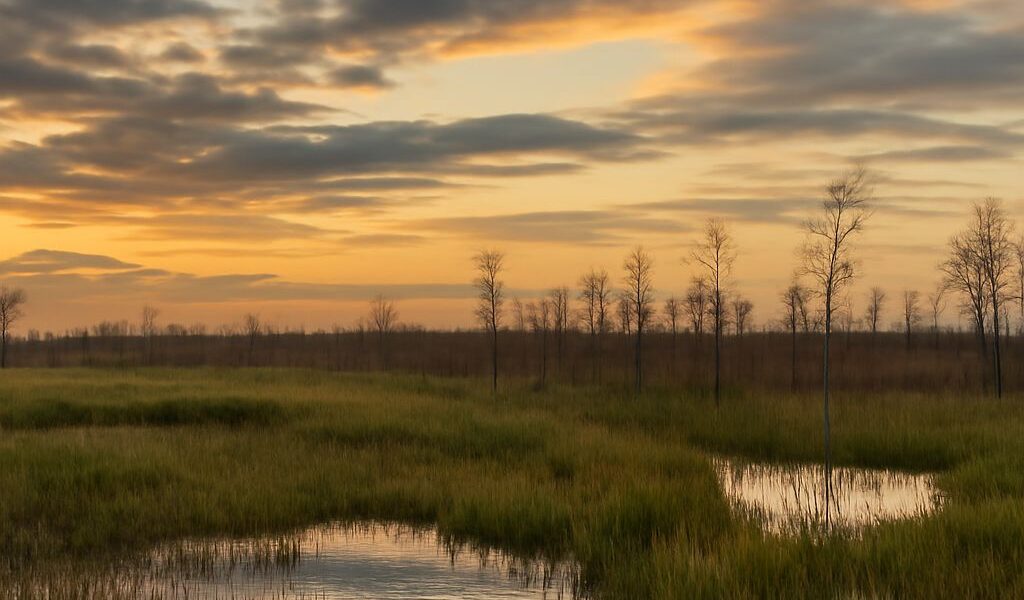
A wetlands ecosystem is characterized by land areas that are saturated with water, either permanently or seasonally. These regions are distinguished by their hydric soil, which supports aquatic plants. The presence of water heavily influences the soil and plant life, creating an environment where specific flora and fauna thrive. Wetlands include marshes, swamps, bogs, and fens, each with their unique attributes influenced by water levels, soil types, and plant communities.
Key Characteristics of Wetlands Biomes
Wetlands biomes are defined by several key characteristics. First, they have hydrophytic vegetation adapted to saturated soil conditions. This includes plants like cattails, sedges, and willows. Secondly, these biomes exhibit waterlogged soils known as hydric soils, which lack oxygen, promoting anaerobic conditions. Thirdly, the water chemistry in wetlands can vary greatly, from freshwater to saline, influencing the types of species that can inhabit them. Wetland biomes are also defined by their ability to store and moderate water flows, providing flood protection and water filtration.
Biodiversity in Wetlands
Wetlands are teeming with biodiversity and serve as crucial habitats for numerous species. They support a wide range of organisms, from microorganisms to large mammals. Birds, amphibians, reptiles, and fish rely on wetlands for breeding, feeding, and shelter. For instance, the American alligator and the great blue heron are iconic species found in North American wetlands. The rich plant life, such as water lilies and mangroves, provides critical food and habitat for these animals. Wetlands also serve as stopover points for migratory birds, underscoring their importance in global biodiversity networks.
Threats to Wetlands and Conservation Efforts
Despite their importance, wetlands face significant threats from human activities. Urban expansion, agriculture, and pollution have led to wetland degradation and loss. Climate change also poses a threat by altering precipitation patterns and sea levels, impacting wetland hydrology. To combat these threats, conservation efforts are underway worldwide. Initiatives like the Ramsar Convention aim to protect and restore wetlands through sustainable management practices. Local and global efforts focus on restoring water flow, removing invasive species, and re-establishing native vegetation to maintain the ecological function of these critical ecosystems.