 Gloria Davis
The African savannas, a mesmerizing expanse of grasslands interspersed with occasional trees, are home to some of the world’s most diverse ecosystems. As we explore this unique biome, we will uncover a tapestry of life and the pressing environmental challenges it faces today.
What Defines the African Savannas?
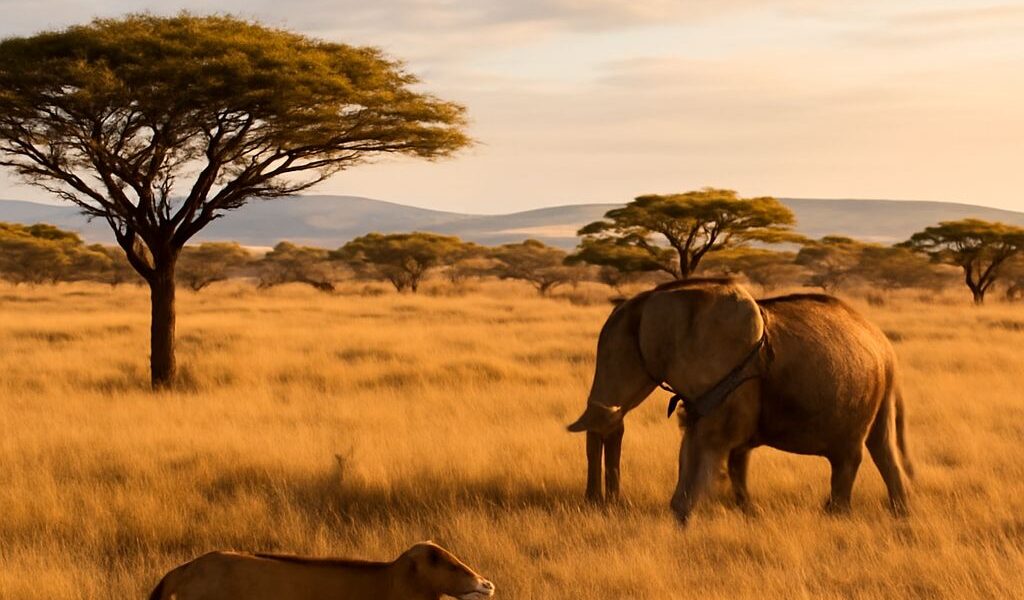
African savannas are characterized by their open landscapes dominated by grasses, with scattered trees like acacias adding to the scenic beauty. These biomes are typically found in the continent’s tropical and subtropical regions and experience distinct wet and dry seasons. The savanna’s climate is marked by warm temperatures year-round, with rainfall occurring primarily during the wet season. This unique climate contributes to the savanna’s rich biodiversity, making it a vital habitat for a wide array of plant and animal species.
Flora and Fauna: The Life of the Savannas
The savanna biome is teeming with life, showcasing a diverse array of flora and fauna. Grasses are the predominant vegetation, adapted to survive the long dry season and recover quickly during the rains. Trees like baobabs and acacias are also iconic, each playing a role in supporting the ecosystem.
In terms of fauna, the African savannas are renowned for hosting some of the most iconic wildlife, including elephants, giraffes, lions, and zebras. These animals have adapted to the savanna’s conditions in various ways. For example, many herbivores migrate in response to seasonal changes in search of water and fresh grazing grounds. Carnivores, on the other hand, often follow these migrations, maintaining the delicate balance of the savanna ecosystem.
Environmental Challenges in the Savanna Biome
Despite its resilience, the savanna biome faces several environmental challenges. Climate change is a significant threat, altering rainfall patterns and affecting water availability. This shift impacts the growth cycles of plants and the migration patterns of animals, leading to potential disruptions in the ecosystem.
Additionally, human activities such as agriculture and urbanization have led to habitat loss and fragmentation. Overgrazing by livestock further exacerbates the problem, leading to soil degradation and a reduction in grassland areas. These challenges highlight the urgent need for effective management and conservation strategies to ensure the savanna’s survival.
Conservation Efforts and Future Prospects
In response to these challenges, various conservation efforts are underway to preserve the African savannas. Protected areas and national parks have been established to safeguard critical habitats and species. Community-led conservation initiatives also play a crucial role, promoting sustainable land use practices and raising awareness about the importance of the savanna ecosystem.
Looking to the future, it is crucial to balance conservation with the needs of local communities. Integrating traditional knowledge with modern conservation techniques can help create sustainable solutions that benefit both biodiversity and the people who rely on these landscapes for their livelihoods.
In summary, the African savannas are a remarkable biome, rich in biodiversity and cultural significance. By understanding the unique features and challenges of the savannas, we can work towards preserving this vital ecosystem for generations to come.