 Gloria Davis
Citronella plants are well-loved for their refreshing citrus scent and are often associated with repelling mosquitoes. These versatile plants are not only practical but also add beauty to gardens with their lush foliage and delicate flowers. Let’s explore the fascinating world of citronella plants, their unique flowers, and understand their growth habits.
What Are Citronella Plants?
Citronella plants, commonly referred to as Cymbopogon nardus or Cymbopogon winterianus, belong to the grass family, Poaceae. Native to tropical Asia, these plants are characterized by their long, narrow leaves and a distinctive lemon scent. The essential oils extracted from citronella plants are widely used in insect repellents and perfumes. While many people think of citronella as a single type of plant, it actually encompasses several species and cultivars, each with its own unique attributes.
Characteristics of Citronella Flowers
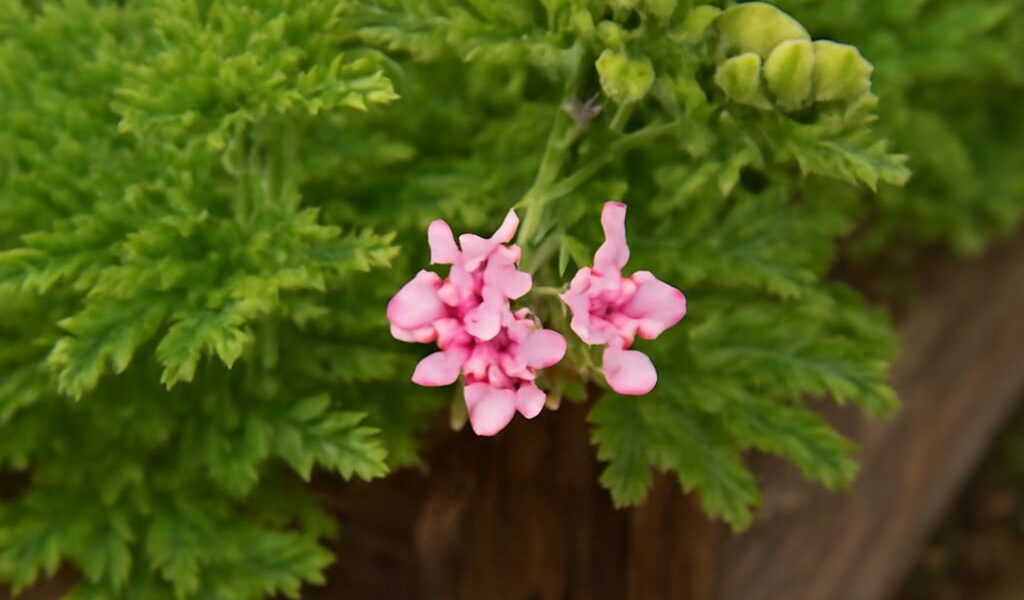
While citronella plants are primarily valued for their aromatic foliage, they also produce citronella flowers that add visual interest to gardens. These flowers typically appear in clusters, showcasing shades of pink, purple, or even white, depending on the specific species or cultivar. The blossoms are relatively small and understated compared to the plant’s foliage but can add a touch of elegance when in bloom. Citronella flowers usually bloom during the warmer months, providing both aesthetic appeal and attracting beneficial pollinators like bees and butterflies.
Is Citronella a Perennial Plant?
One of the frequently asked questions about citronella plants is whether they are perennials. The answer depends largely on the growing conditions and climate. In tropical and subtropical regions, citronella plants can thrive as perennials, returning year after year with proper care. They can grow quite large, forming dense clumps up to six feet tall. However, in cooler climates, these plants are often treated as annuals, requiring replanting each spring. Gardeners in colder regions will need to bring their citronella plants indoors or provide adequate protection during winter to ensure their survival.
Caring for Citronella Plants
Proper care is essential for maintaining healthy citronella plants and ensuring they reach their full potential. Here are some tips for taking care of these aromatic beauties:
- Light: Citronella plants thrive in full sun but can tolerate partial shade. Ensure they receive at least six hours of sunlight daily for optimal growth.
- Watering: These plants prefer consistently moist soil, especially during the growing season. However, avoid overwatering as it can lead to root rot. Allow the top inch of soil to dry out between waterings.
- Soil: Well-draining soil enriched with organic matter is ideal for citronella plants. They prefer a slightly acidic to neutral pH level.
- Fertilization: Feed citronella plants with a balanced, slow-release fertilizer during the growing season to promote healthy growth and flowering.
- Pruning: Regularly prune the plants to encourage bushier growth and remove dead or yellowing leaves.
- Winter Care: In colder climates, bring plants indoors before the first frost. Place them in a sunny window and reduce watering to prevent them from becoming dormant.
By understanding and meeting the needs of citronella plants, we can enjoy their fragrant foliage and delicate flowers throughout the growing season. Whether used as a natural insect repellent or simply as an ornamental addition to our gardens, these plants provide both practicality and beauty.