 Gloria Davis
Snake plants, often called mother-in-law’s tongue, are popular houseplants known for their resilience and striking appearance. Understanding how to care for a snake plant can enhance its longevity and beauty in your home. This complete guide will cover the essentials of sansevieria care, ensuring your plant thrives with minimal effort.
Understanding Your Snake Plant
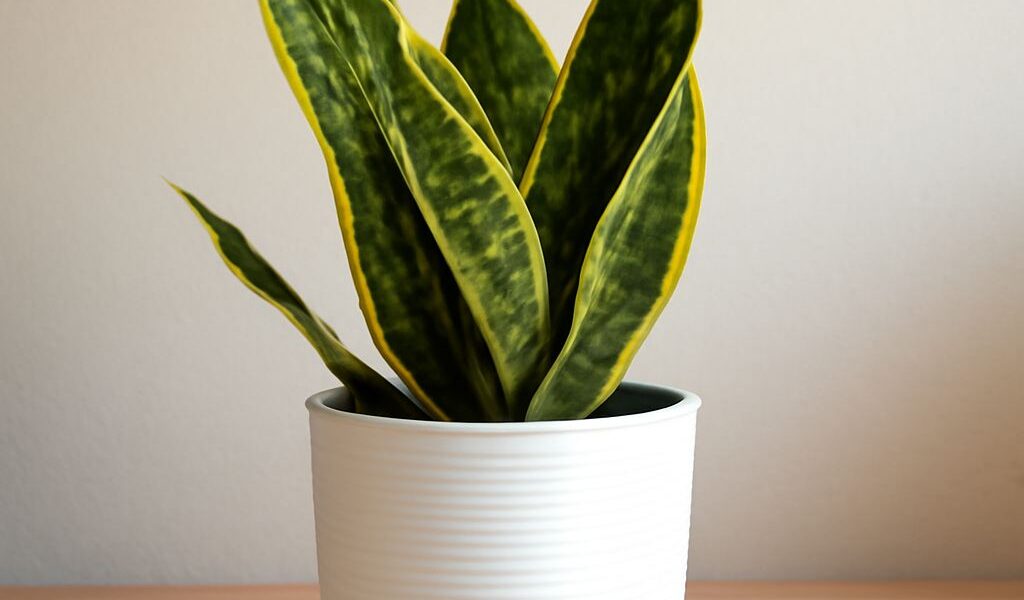
The snake plant, or Sansevieria, is a hardy succulent native to West Africa. Its tall, sword-like leaves can be various shades of green with distinctive yellow or white edges. This plant is known for its air-purifying qualities and ability to thrive with little attention, making it an ideal choice for beginners and busy plant owners.
Watering and Light Requirements
One of the most important aspects of snake plant care is understanding its watering needs. Snake plants prefer to be on the drier side, so it’s crucial to let the soil dry out completely between waterings. Typically, watering once every two to eight weeks is sufficient, depending on the humidity and light conditions in your home.
In terms of light, snake plants are incredibly versatile. They can tolerate low light levels but prefer indirect sunlight for optimal growth. Position your plant near a window with filtered light to keep its leaves vibrant and healthy. Be cautious not to leave it in direct sunlight for prolonged periods, as this can scorch the leaves.
Optimal Soil and Potting Tips
Choosing the right soil and pot is essential for sansevieria plant care. A well-draining potting mix, such as a cactus or succulent blend, is ideal. This type of soil prevents water retention, which can lead to root rot—a common issue for snake plants.
When it comes to potting, select a container with drainage holes to allow excess water to escape. Repotting every two to three years, or when the plant outgrows its current pot, helps promote healthy root development.
Common Issues and Solutions
Even though snake plants are low-maintenance, they can occasionally encounter problems. One common issue is root rot, usually caused by overwatering. To address this, remove the plant from its pot, trim any rotten roots, and repot it in fresh, dry soil.
Pests like spider mites and mealybugs can also affect snake plants. Combat these pests by wiping the leaves with a damp cloth or using an insecticidal soap.
If you notice the leaves curling or wrinkling, it could indicate under-watering or exposure to cold drafts. Adjust your watering schedule and relocate the plant to a warmer spot to resolve these issues.
By following these tips on how to care for a snake plant, you’ll ensure that your mother-in-law’s tongue plant remains a healthy and attractive addition to your home. With the right attention to watering, light, soil, and common issues, sansevieria care becomes a straightforward and rewarding task.