 Gloria Davis
Human activity has been a significant factor in some of the most destructive environmental disasters in history. From oil spills to nuclear accidents, these incidents have had devastating impacts on ecosystems and communities. In this article, we explore major environmental disasters caused by humans, their underlying causes, and the lessons we can learn to prevent future catastrophes.
The Most Notable Environmental Disasters
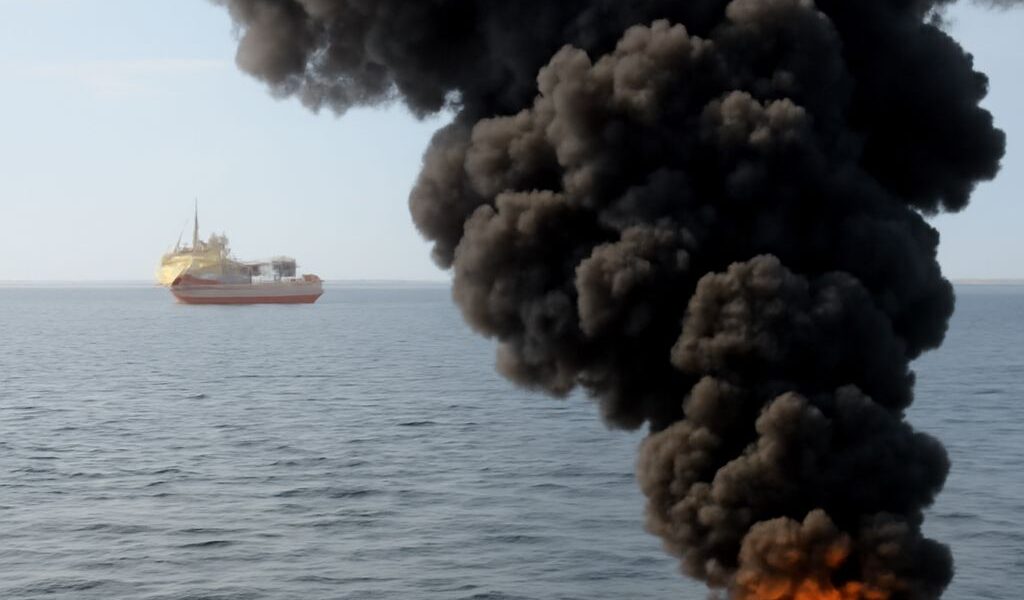
Several environmental disasters stand out due to their scale and impact. One of the most infamous is the Deepwater Horizon oil spill in 2010. This disaster released millions of barrels of oil into the Gulf of Mexico, severely affecting marine life and local economies. Another significant event is the Chernobyl nuclear disaster in 1986, which caused widespread radioactive contamination across Europe and remains a cautionary tale about nuclear safety.
The Exxon Valdez oil spill in 1989 also holds a prominent place in history. It spilled hundreds of thousands of barrels of crude oil into Alaska’s Prince William Sound, causing long-term damage to wildlife and habitats. Additionally, the Bhopal gas tragedy of 1984 in India, which involved a leak of methyl isocyanate gas, resulted in thousands of deaths and highlighted the dangers of industrial negligence.
Causes and Consequences of Human Actions
The root causes of these disasters often lie in human error, regulatory failures, and a lack of preparedness. In the case of the Deepwater Horizon spill, inadequate safety measures and oversight were significant factors. Similarly, the Chernobyl disaster was primarily due to a flawed reactor design and operator errors during a safety test.
The consequences of these disasters are far-reaching. Environmental damage, such as the destruction of habitats and loss of biodiversity, is often immediate and severe. Economic impacts include the loss of livelihoods, particularly in industries reliant on natural resources like fishing and tourism. Moreover, public health can be significantly affected, as seen in the long-term health issues faced by those exposed to Chernobyl’s radiation.
Lessons Learned and Future Prevention
These disasters provide critical lessons for future prevention. One key takeaway is the importance of stringent safety protocols and regular oversight to mitigate risks. For instance, after the Deepwater Horizon spill, regulations were tightened to improve offshore drilling safety.
Technological innovation also plays a crucial role. Advances in early detection systems and response strategies can help prevent or minimize the impact of potential disasters. Furthermore, fostering international cooperation is essential in addressing global environmental threats. Collaborative efforts can lead to better resource management and disaster response.
Ultimately, raising awareness and promoting education about environmental stewardship is vital. By understanding the causes and consequences of these environmental disasters, we can work towards sustainable practices that protect our planet for future generations.