 Gloria Davis
When we discover a tomato split open on the vine just as it’s ripening, it can be frustrating and confusing. To keep our harvest healthy and beautiful, it’s key to understand what makes tomatoes split and what we can do to minimize the problem. Below, we’ll break down the exact causes, the most common risk factors, effective prevention tips, and whether split tomatoes are still safe to eat.
What Causes Tomatoes to Split?
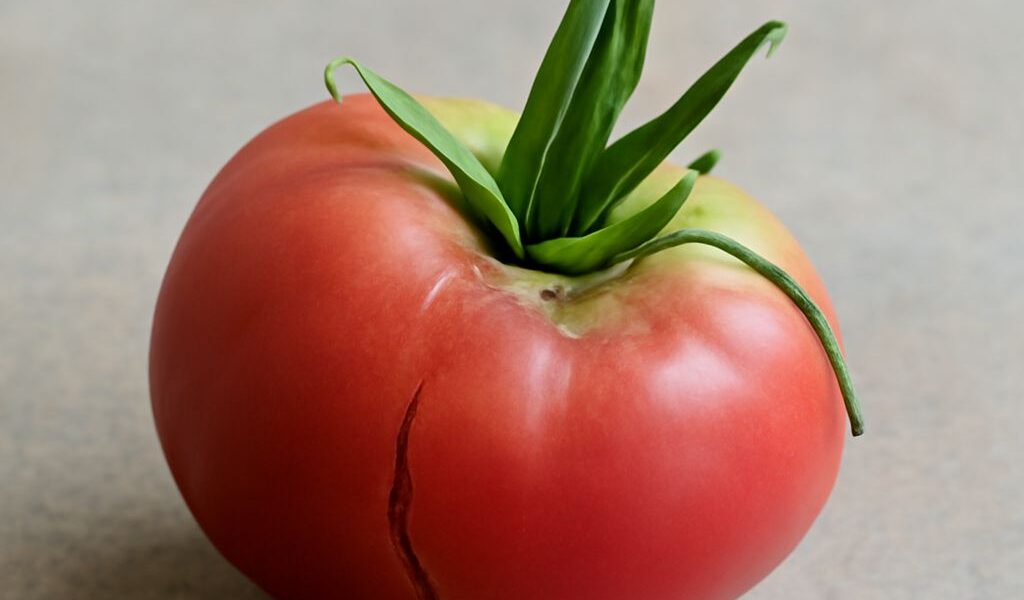
The primary reason why tomatoes split is a sudden change in water availability—specifically, when a tomato absorbs water quickly after a period of dryness. This rapid intake causes the inside of the fruit to expand faster than the skin can stretch, leading to cracks or splits. There are two main types of splitting:
- Radial splitting: Cracks run from the stem end down the sides, usually deeper and more damaging.
- Concentric splitting: Rings develop around the stem end, generally more shallow but still exposing the fruit’s interior.
What makes tomatoes split most often is heavy watering or rainfall after a dry spell. When tomato plants are stressed by inconsistent moisture, the fruit’s skin becomes less elastic, making it particularly vulnerable to cracking. This is why we often see splitting after summer storms or when we unintentionally overwater after letting the soil dry out.
Common Risk Factors for Splitting Tomatoes
Some varieties and growing conditions can make splitting more likely. We’ve found that certain hybrid tomatoes, especially cherry and large slicing types, are naturally more prone to splitting due to their thin skins. However, even tougher-skinned varieties aren’t immune if the environmental pressures are right.
The main risk factors include:
- Irregular watering: Letting soil dry out completely before watering again causes the most drastic changes in fruit hydration.
- Heavy rainfall following drought: Nature’s version of inconsistent watering, this sudden influx of water often triggers widespread splitting in gardens and farms alike.
- Overripe fruit on the vine: The longer tomatoes stay on the plant past their peak ripeness, the more likely their skins are to crack under pressure.
- High humidity and heat: These conditions speed up fruit growth and water uptake, straining the skin even further.
- Thin-skinned or fast-growing varieties: As mentioned, certain tomatoes just split easier than others, especially when they’re bred for sweetness rather than toughness.
By tracking these risk factors in our own gardens, we can anticipate when tomatoes are most likely to split and take action accordingly.
How to Prevent Tomatoes from Splitting
While we can’t always control the weather, we do have several reliable strategies to reduce splitting. The goal is to keep soil moisture as steady as possible and minimize sudden changes in water availability.
- Water consistently: Rather than soaking your plants occasionally, provide moderate, regular waterings. We recommend deep watering once or twice a week, ensuring the soil stays evenly moist but not saturated.
- Mulch the soil: Applying a 2-3 inch layer of straw, shredded leaves, or compost helps retain moisture, buffer temperature swings, and limit evaporation from the soil surface.
- Harvest promptly: Pick ripe tomatoes as soon as possible, especially if rain is in the forecast. The longer mature fruit stays on the vine, the greater the risk of splitting after a storm or watering.
- Improve soil drainage: Raised beds or well-amended garden plots drain better and prevent water from pooling around roots during heavy rain.
- Choose resistant varieties: When possible, select tomato types known for resistant or thicker skins if splitting has been a persistent problem in your area.
An automatic drip irrigation system can also help deliver steady moisture and further reduce the risk of water stress. Monitoring plants daily during harvest season lets us catch and remove any split fruits before they attract insects or rot.
Are Split Tomatoes Safe to Eat?
Most split tomatoes are safe to eat if we harvest them promptly and check for signs of spoilage. The exposed flesh is vulnerable to bacteria, mold, and insect damage, so we should inspect split fruit carefully. If the split is fresh and the tomato is otherwise firm and healthy, simply cut away the damaged area and use the rest immediately—preferably for cooking, canning, or fresh eating that same day.
However, if the split has started to darken, grow mold, or the fruit feels soft and smells sour, it’s best to compost rather than consume it. For the best flavor and food safety, split tomatoes should not be stored for later use. By managing moisture and harvesting frequently, we can minimize splits and enjoy a healthier, more bountiful tomato crop.