 Gloria Davis
Arborvitae shrubs and trees are beloved for their lush, evergreen foliage and versatility in the landscape. Whether we want a privacy screen, windbreak, or a tidy accent plant, understanding arborvitae types and how to plant arborvitae sets us up for success. Let’s explore the most popular varieties, how to choose the best fit for our garden, and the essential steps to plant and nurture healthy arborvitae.
Popular Arborvitae Types
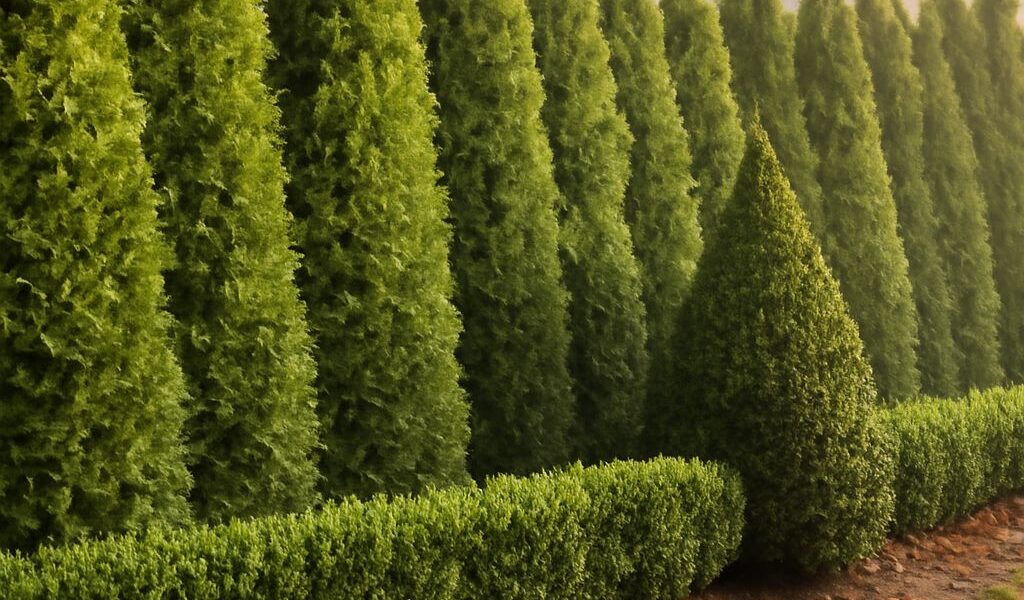
Arborvitae, also known as Thuja, includes several species and a wide range of cultivars. The two most popular species in gardens are Eastern arborvitae (Thuja occidentalis) and Green Giant arborvitae (Thuja standishii x plicata). Each offers unique characteristics that suit different landscape needs.
- Emerald Green (Smaragd): This compact variety reaches 12-15 feet tall and 3-4 feet wide, making it ideal for narrow hedges or foundation plantings. Its dense, bright green foliage retains color well through winter.
- Green Giant: Renowned for rapid growth, Green Giant can soar to 30-50 feet tall and 12-18 feet wide. It’s perfect for large privacy screens and windbreaks.
- Techny: A cold-hardy option, Techny grows to about 10-15 feet tall and 6-8 feet wide. It’s favored for its deep green winter color and dense habit.
- Globe Arborvitae: Rounded cultivars like ‘Danica’ remain 2-3 feet tall and wide, ideal for borders and small spaces.
- North Pole: This narrow, upright selection grows 10-15 feet tall but stays just 3-5 feet wide, making it excellent for tight spaces or formal plantings.
We should always check the mature size and shape of each cultivar before planting to ensure it fits our intended space.
How to Choose the Right Arborvitae for Your Garden
Selecting the right arborvitae involves more than just picking a size. We need to consider growth rate, sun exposure requirements, desired shape, and climate compatibility. For instance, Emerald Green arborvitae thrive in USDA zones 3-7 and favor full sun to partial shade, while Green Giant is more tolerant of heat and humidity and grows well in zones 5-8.
If we’re planting a privacy screen, fast-growing types like Green Giant fill in quickly but require ample space. For formal hedges or foundation plantings, compact, slow-growing types like Emerald Green or Techny are best. In small gardens or as accent plants, globe or dwarf forms add structure without crowding other plants.
Soil conditions are another factor. Arborvitae prefer moist, well-draining soil but will tolerate a range of types if not waterlogged. We should always match the cultivar to our local conditions for the best long-term results.
How to Plant Arborvitae: Step-by-Step Instructions
Selecting a Planting Site
Location is key to healthy arborvitae. We want a spot with at least six hours of sun per day for dense growth and vibrant color. Avoid low-lying areas where water collects; arborvitae roots dislike sitting in wet soil. Allow enough space for mature size—plant taller types like Green Giant 5-6 feet apart, and smaller hedging types, such as Emerald Green, 3 feet apart for a dense hedge.
Planting Process
- Dig a hole twice as wide as the root ball and just as deep. Loosen the soil around the hole to encourage root spread.
- Remove the arborvitae from its container and gently tease apart any circling roots. For balled-and-burlapped plants, cut away string or wire and pull back burlap from the top of the root ball.
- Place the plant in the hole so the top of the root ball is even with or slightly above ground level. Backfill halfway with native soil, tamp gently, then water to settle.
- Finish filling the hole and water again thoroughly. We avoid adding fertilizer at planting; arborvitae establish best without added nutrients until roots are developed.
Initial Watering and Mulching
After planting, water deeply to saturate the root zone. For the first season, maintain consistent moisture—about 1 inch of water per week, more during hot spells. Mulch around the base with 2-3 inches of shredded bark or compost, keeping mulch a few inches from the trunk to prevent rot and discourage pests. Mulch helps retain soil moisture and insulate roots.
Tips for Healthy Arborvitae Growth
Ongoing care ensures our arborvitae remain lush and disease-free. We continue regular watering during the first two years, especially in dry periods, as deep roots develop. Once established, arborvitae tolerate moderate drought but still benefit from occasional deep watering in summer.
Pruning is minimal—arborvitae naturally maintain their shape. We only trim to remove damaged or overgrown branches, ideally in early spring before new growth starts. Avoid cutting into old wood, as arborvitae rarely sprout from bare stems.
Fertilizing is generally unnecessary if the soil is decent, but in poor soils, applying a balanced, slow-release fertilizer in early spring can boost growth. Watch for browning or thinning foliage, which may signal improper watering, root stress, or pest issues. Address problems promptly for strong, resilient plants.
By taking these steps, we can enjoy a thriving arborvitae hedge or specimen, adding year-round beauty and structure to our landscape.