 Gloria Davis
We can tackle unwanted weeds in our garden without resorting to harsh chemicals or expensive store-bought solutions. Using a proven diy weed killer recipe, we protect our plants, pets, and local environment—while saving money. Let’s explore how to create a homemade weed spray from ingredients most of us already have on hand, and apply it safely and effectively for maximum results.
Why Choose a DIY Weed Killer Recipe?
Making our own weed killer gives us full control over what goes into our garden. Many commercial products contain chemicals that linger in soil, threaten pollinators, and may harm pets or children. With a diy weed killer recipe, we use simple ingredients that break down quickly and leave less impact on the ecosystem. This approach is ideal for small-scale gardening, vegetable patches, flower beds, or areas where safety and sustainability matter most.
Cost is another factor—store-bought weed control options add up fast, especially for larger yards. Most homemade weed sprays require just pantry staples, making them both affordable and convenient. Finally, by mixing our own, we can adjust the strength and application method to target specific weeds without damaging the surrounding plants.
What You Need: Ingredients and Supplies
The classic homemade weed spray centers on three ingredients: white vinegar, salt, and liquid dish soap. Each plays a specific role in killing weeds effectively:
- White Vinegar (1 gallon, 5% acetic acid): Acts as the main weed-killing agent by dehydrating foliage and disrupting plant growth.
- Salt (1 cup, table or rock): Draws moisture from weeds and prevents regrowth, especially in cracks or pathways. Avoid using large amounts near desirable plants, as salt can linger in soil.
- Liquid Dish Soap (1 tablespoon): Helps the solution stick to leaves, ensuring better coverage and absorption.
For supplies, we’ll need:
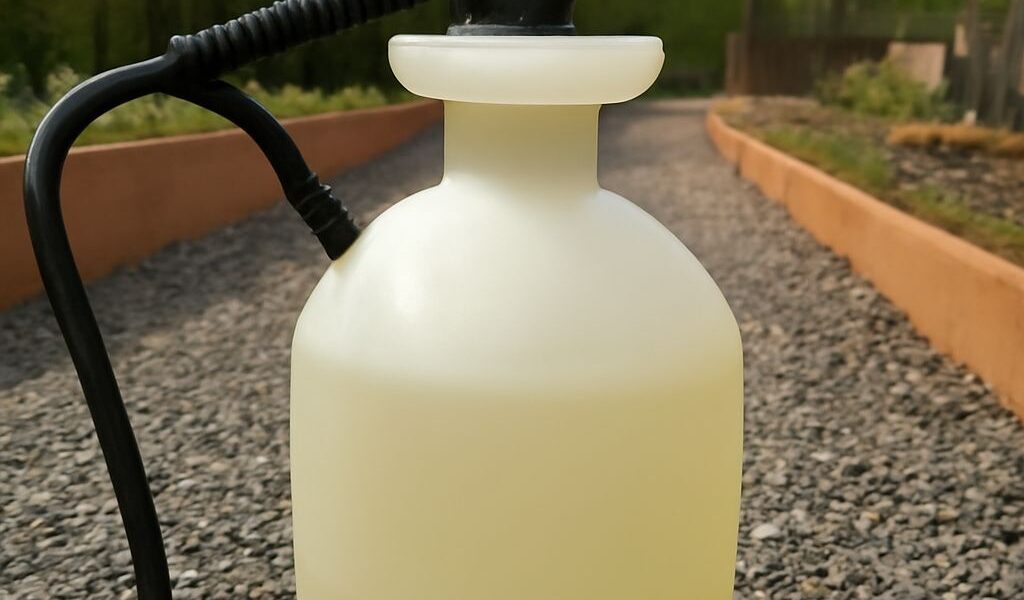
- A clean one-gallon garden sprayer or heavy-duty spray bottle
- A funnel for easy pouring
- Protective gloves and eyewear (recommended for sensitive skin or eyes)
Do not substitute key ingredients or proportions if you want the most effective results. Apple cider vinegar can be used in a pinch, but white vinegar is preferred for its concentration and cost-effectiveness.
Step-by-Step Guide: How to Make Homemade Weed Spray
Mixing the Solution
To begin, gather your ingredients and supplies in a well-ventilated area. Pour 1 gallon of white vinegar into your sprayer using a funnel. Add 1 cup of salt, stirring or swirling until the salt dissolves completely. Finally, mix in 1 tablespoon of liquid dish soap. Secure the lid and shake gently to blend the solution.
The result is an effective, ready-to-use homemade weed spray that targets common weeds on contact. If you need a smaller batch, reduce quantities proportionally, but maintain the same basic ratios for best results.
How to Apply Your Do It Yourself Weed Killer
For best performance, choose a hot, sunny day—sunlight helps accelerate dehydration and speeds up weed death. Wear gloves to protect your skin from irritation, and avoid spraying on windy days to prevent drift onto nearby plants. Adjust the nozzle to a focused spray and apply the solution directly to the weed leaves, fully saturating the foliage but avoiding the soil as much as possible.
The first signs of wilting should appear within hours, with weeds typically browning and dying back within 24 to 48 hours. For stubborn or deep-rooted weeds, repeat application after a few days. This do it yourself weed killer works best on young, tender weeds; mature, woody plants may require several treatments or more persistent methods.
Tips for Safe and Effective Weed Killer DIY Use
Always target weeds specifically; overspray can harm grass and nearby plants. Avoid using salt-based sprays on lawns or vegetable gardens where soil health is crucial. For pathways, driveways, or fence lines, the salt content helps prevent regrowth, but limit use in garden beds to avoid long-term soil salinity.
Store any leftover solution in a labeled container away from children and pets. Before applying to a large or sensitive area, test a small section to check for unwanted effects. If rain is forecast, postpone application for a dry spell—rain can dilute the mixture and reduce its effectiveness.
Finally, consistent weeding and mulching remain important for long-term garden health. Use your weed killer diy solution as a spot treatment, not a substitute for good gardening practices. With these steps, we can manage weeds naturally and confidently across the growing season.