 Gloria Davis
Before many woodland trees have opened their leaves, a spray of narrow white petals can appear along the branches of an eastern serviceberry. The early-flowering shrub is Amelanchier canadensis, a plant of eastern North American wetlands and thickets. Its spring display is brief, but leaves, fruit and changing color carry the story through the rest of the year.
Shadblow Names and the Plant Behind Them
The name shadblow serviceberry is commonly used for A. canadensis, a deciduous member of the rose family. It may grow as a large, multi-stemmed shrub or be trained as a small tree. Names such as shadbush and Juneberry can refer to this plant or to other members of the genus, so the botanical name is more useful than a common name alone when choosing nursery stock.
A shad tree takes its name from an old seasonal association: in parts of eastern North America, serviceberry flowers appear around the time shad migrate upstream to spawn. The timing varies with weather and place; it is a useful reminder of spring’s connected events, not a precise fishing calendar. Penn State Extension describes the association between the blossoms and the fish run.
A shadblow tree and a multi-stemmed specimen can belong to the same species. Their difference is in form and training, not necessarily identity. Ask whether the plant offered is the species or a named cultivar, and check its expected mature size before deciding where it will fit.
Flowers, Leaves and Summer Fruit
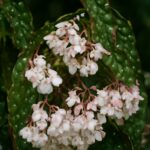
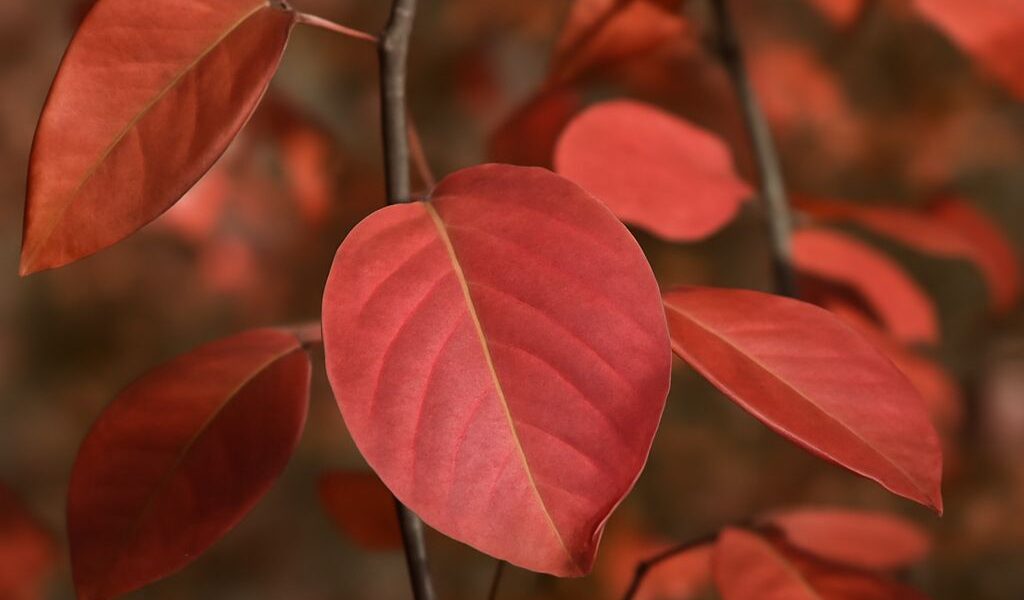
The flowers open in small clusters in early spring, often before or as the young leaves emerge. Each white flower has five narrow petals. The leaves unfold soft and pale, then become green; in autumn they may take on yellow, orange or red tones. The exact display depends on the plant and the season.
After pollination, small green fruits develop and gradually turn red, then dark purplish as they ripen. Though commonly called berries, they are pomes, fruit in the same botanical family as apples. Birds and other wildlife may find them quickly. Humans can eat ripe serviceberries too, but positively identify a plant before sampling and avoid fruit exposed to unsuitable treatments. Leave some for the birds, and expect ripening time to vary with location.
A young Canadian serviceberry is easy to underestimate. North Carolina Extension describes this species as a large shrub or small tree that can reach roughly 15 to 25 feet. Individual plants and cultivars vary, and a clump may occupy more width than a single stem suggests. Allow space for both crown and access around it rather than placing it immediately beside a path or window.
How It Differs From Saskatoon
Saskatoon serviceberry is Amelanchier alnifolia, a related species associated with much of western and central North America. It, too, has white spring flowers and dark edible fruit. Its rounded leaves often have teeth concentrated toward the upper part, but leaf shape alone is not enough to identify every plant. The U.S. Forest Service’s 1997 species review notes that serviceberries can intergrade and hybridize, making identification difficult.
The eastern species described here is often found in lowlands, swamps and moist thickets. Saskatoon occurs across a wide range of habitats, including prairies, hillsides and streamside areas. Neither should be assigned to a garden solely by a broad east-versus-west rule: local populations and nursery selections differ. Check a regional flora for native range and ask a nursery for the exact species, source and mature habit.
Downy serviceberry, A. arborea, is yet another relative sometimes called shadbush. Overlapping names and similar flowers make a confident identification from a single picture difficult. In the garden, a well-labeled plant lets you match care to the species; in the wild, examine leaves, flowers, fruit and habitat together and use a regional identification key.
Find a Site That Stays Comfortable
This eastern serviceberry naturally grows in moist ground, including wet thickets. In a garden it can adapt to a range of soils, but a moist site with good structure is a sensible starting point. Full sun or part shade can work; where summers are hot, some afternoon shade and dependable moisture help reduce stress. A site that dries hard for weeks will demand more attention than a naturally moist woodland edge.
Observe the bed after rain and during dry weather. A plant’s occurrence in wetlands does not mean every nursery-grown specimen will thrive in a permanently submerged hole. Ask a local grower about the specific plant’s tolerance, especially for a rain garden where water stands after storms. Give it enough room for the form you intend to keep.
Plant at the depth it occupied in its container, water thoroughly, and apply a loose mulch over the root area while keeping it away from the stems. During establishment, check moisture below the mulch and water during dry spells. Prune dead or crossing branches as needed; if you want flowers and fruit, avoid unnecessary heavy pruning that removes much of the flowering wood.
The spring blossoms can feed visiting pollinators, while the fruit and branching cover offer resources to wildlife. Space for fallen leaves and occasional fruit beneath the canopy may be as important to the garden plan as the flower display above.
Choose the serviceberry by botanical name and regional origin, then match its mature shape and moisture needs to your site. A plant suited to the ground beneath it has the best chance to become a lasting part of the garden.