 Gloria Davis
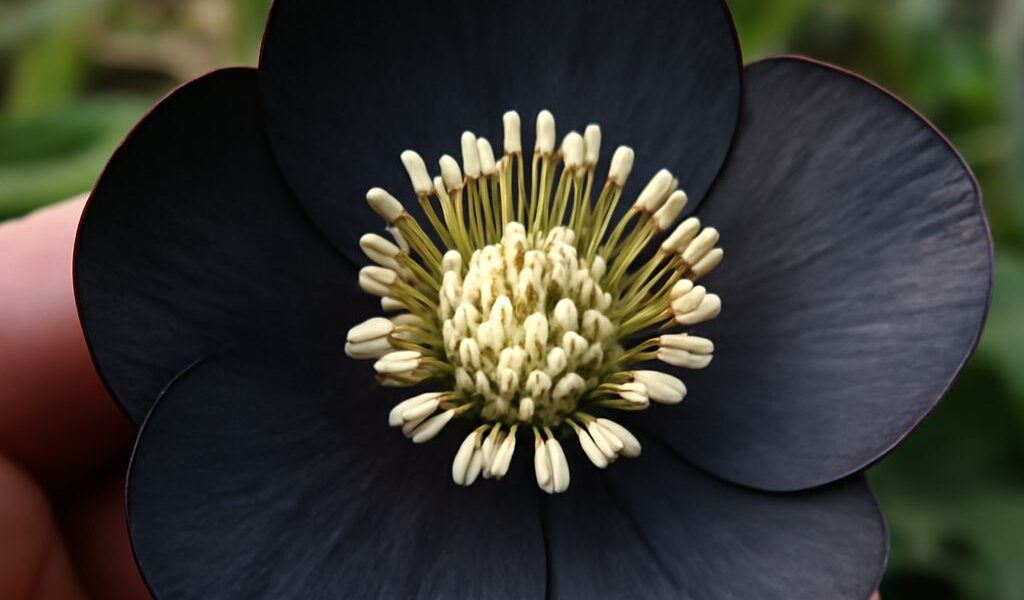
Christmas roses, also known as black hellebore, bring unexpected color and elegance to our gardens during the colder months. With their delicate petals and evergreen leaves, these perennial plants offer beauty when most other flowers are resting. Whether we call them Christmas roses or use their botanical name, Helleborus niger, they are cherished for their winter blooms and unique presence in the landscape.
What Are Christmas Roses?
Christmas roses are perennial flowering plants in the buttercup family, Ranunculaceae. Unlike what their common name suggests, they are not actual roses. The plant’s scientific name, Helleborus niger, reflects its dark, almost black roots rather than the color of its blooms. The Christmas rose flower typically appears from late December to early spring, depending on the climate and local conditions.
These flowers feature crisp white petals that may develop pink or greenish tinges with age. The blooms stand above deep green, leathery foliage that remains attractive all year. Christmas roses are remarkably hardy, enduring cold snaps and pushing through snow to display their blossoms. Each flower lasts several weeks, making them particularly valuable for winter interest in shaded or semi-shaded spots.
We often see Christmas roses included in mixed borders, woodland gardens, and shaded containers. They tend to grow about 9 to 12 inches tall and spread slowly to form small clumps over the years. Their subtle fragrance and understated beauty make them favorites for both gardeners and florists seeking winter blooms.
Origins and Symbolism of the Black Hellebore
The black hellebore traces its origins to the mountainous areas of central and southern Europe, especially the Alps and the Balkans. In its native range, the plant thrives in deciduous woodlands and open slopes, where it enjoys cool, moist soil and partial shade. Over centuries, it has been cultivated and naturalized beyond its original habitats, now appearing in gardens across Europe and North America.
Christmas roses have deep roots in folklore and symbolism. One legend tells of a poor shepherd girl who, having no gift for the Christ child, wept in the snow—her tears giving rise to the first Christmas rose flower. For this reason, the plant is often linked to hope, renewal, and generosity. In the language of flowers, it can symbolize serenity and peace during the darkest time of year.
Historically, black hellebore was also associated with protection and healing, though all parts of the plant are toxic and should not be ingested. Ancient herbalists valued it for medicinal properties, but today we appreciate it primarily for ornamental use and its ability to lift spirits in winter gardens.
How to Grow Christmas Roses Successfully
Growing Christmas roses is rewarding with a few key techniques. They thrive in well-drained, humus-rich soil and prefer partial to full shade. We recommend choosing a location sheltered from harsh winter winds and strong afternoon sun. The ideal time to plant black hellebore is early fall or spring, allowing roots to settle before extreme temperatures set in.
Begin by amending the soil with compost or leaf mold, ensuring it stays moist but never waterlogged. Set the crowns of the plants just at or slightly below soil level. Space them about 18 inches apart to allow for slow spreading. While established Christmas roses are drought tolerant, they need regular moisture during their first season and during dry winter spells.
Mulching around the base helps retain moisture and protects roots from temperature extremes. We should remove old or damaged leaves in late winter, just as new growth and flowers emerge, to keep the plant tidy and reduce the risk of disease. Fertilize lightly with a balanced, slow-release fertilizer in early spring for best results.
Christmas roses are generally pest resistant, but slugs and aphids can occasionally pose a problem. Good air circulation and keeping the area free of decaying leaves helps prevent most issues. With the right care, black hellebore can thrive for decades, gradually forming impressive winter clumps.
Enjoying the Christmas Rose Flower in Your Garden
One of the greatest pleasures of growing Christmas roses is enjoying their pristine flowers when the rest of the garden lies dormant. We can plant them near entryways, pathways, or under deciduous trees, where their blooms are most visible on gray winter days. Clusters of Christmas roses make an excellent underplanting for spring bulbs, such as snowdrops and crocuses, extending the season of color.
To bring their beauty indoors, we can cut a few Christmas rose flowers and float them in shallow bowls of water—an elegant, long-lasting winter display. When cutting, use sharp, clean pruners and condition the stems in cool water overnight to help them last longer in arrangements.
Pairing black hellebore with ferns, hostas, or pulmonarias creates harmonious shade plantings that remain attractive year-round. For gardeners with limited space, Christmas roses also perform well in large containers, provided they are protected from extreme cold and given consistent moisture. By choosing a spot we pass often during winter, we ensure these remarkable flowers never go unnoticed during the bleakest months.