
Skip to Content
  • About us
  • Reader feedback

Green Action News

  • Home
  • Climate & Community
    • Climate Basics
    • Clean Energy
    • Pollution & Water
    • Sustainability
  • Forests & Habitat
    • Ecosystems
    • Forests
    • Native Plants
  • Sustainable Living
    • Home Conservation
    • Low-Waste Basics
    • Recycling
  • Food & Gardens
    • Compost & Soil
    • Edible Gardens
    • Garden Ecology
    • Plant Guides
    • Plant Care
    • Garden Planning
    • Indoor Gardening
    • Water Gardens
    • Food Systems
Forest landscape with GPP calculation elements
Ecosystems

Understanding the GPP Equation in Forest Ecosystems

An illustration of a foundation species within a forest ecosystem
Ecosystems

Understanding Foundation Species in Forest Ecosystems

A monstera cutting in water ready for propagation
Plant Guides

How to Propagate Monstera Plants Successfully

June 5, 2026June 5, 2026Garden Ecology

Drought-Tolerant Perennials for Flowers and Prairie Structure
Purple coneflowers and little bluestem in a sunny prairie garden

Choose drought-tolerant perennials by sun, soil, drainage, height, and bloom season. See how roots and establishment watering determine long-term performance, from first planting to mature color.

Read More
Orange milkweed, orange coneflower, and pale purple coneflower in a native planting
June 5, 2026June 5, 2026Native Plants

Orange Milkweed, Orange Coneflower, and Pale Purple Coneflower: How to Tell Them Apart

Learn how to identify orange milkweed, orange coneflower, and pale purple coneflower by their flowers and foliage, then compare sun, soil, moisture, height, bloom time, and pollinator value.

Read More
Milkweed and purple coneflower growing together in a butterfly garden
June 4, 2026June 4, 2026Native Plants

Host Plants for Butterflies: Choose Milkweed and Purple Coneflower

Host plants for butterflies feed caterpillars, while purple coneflower and other nectar plants support adults. Compare milkweed varieties by region, size, sun, and soil moisture.

Read More
People comparing the environmental, social, and economic effects of daily choices
June 3, 2026June 3, 2026Sustainability

Environmental Sustainability Examples for Everyday Choices

Explore environmental sustainability examples and learn how environmental, social, and economic choices shape food, transport, shopping, water use, and community life.

Read More
Roof runoff barrel with screened inlet, overflow, and downspout connection
June 3, 2026June 3, 2026Home Conservation

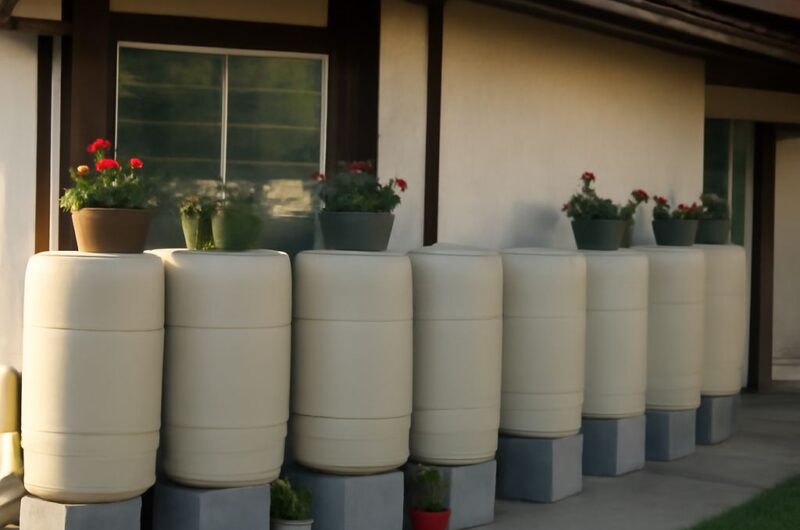
Rainwater Barrels: Build a Safe Roof-Runoff System

Rainwater barrels capture roof runoff for gardens. Learn to size a container, add a screened inlet, overflow, stable base, and low-pressure outlet, then place and drain it safely—not for drinking.

Read More
Hydropower advantages and disadvantages shown in a dam and river illustration
June 3, 2026June 3, 2026Clean Energy

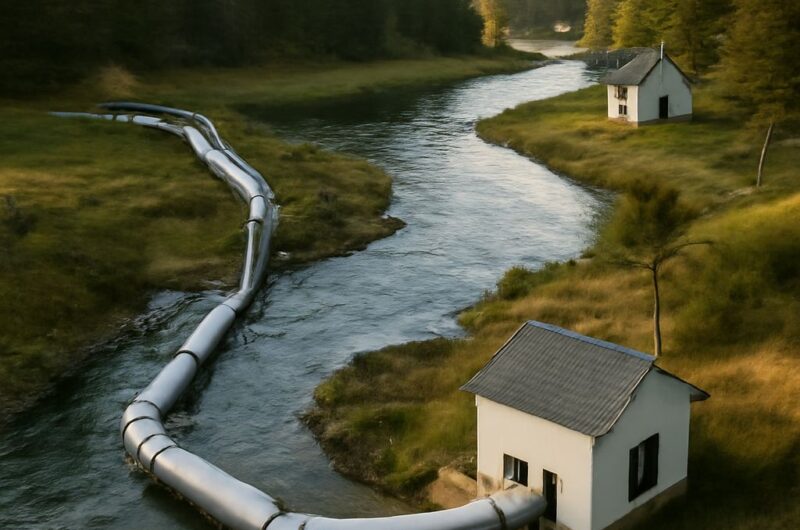
Advantages and Disadvantages of Hydropower: How It Works

Explore the advantages and disadvantages of hydropower: how moving water drives turbines and generators, connects to the grid, and affects emissions, ecosystems, communities, reliability, and cost.

Read More
Topsoil, compost, and other materials mixed for a raised garden bed
June 2, 2026June 2, 2026Compost & Soil

What Is Topsoil? Mix and Quantity for Raised Garden Beds

What is topsoil, and how much do you need for a raised garden bed? Use a topsoil calculator formula, convert cubic feet to cubic yards, and build a balanced mix with compost.

Read More
Bee balm, coneflowers, and swamp milkweed growing in a pollinator garden
May 31, 2026May 31, 2026Native Plants

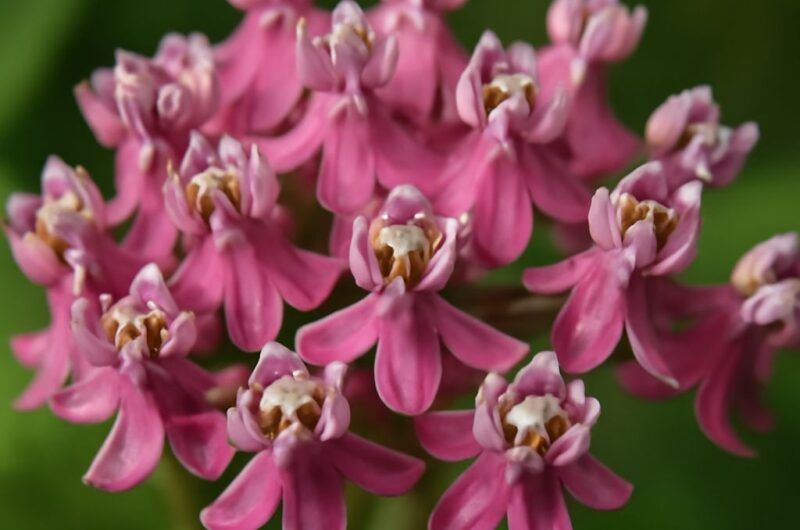
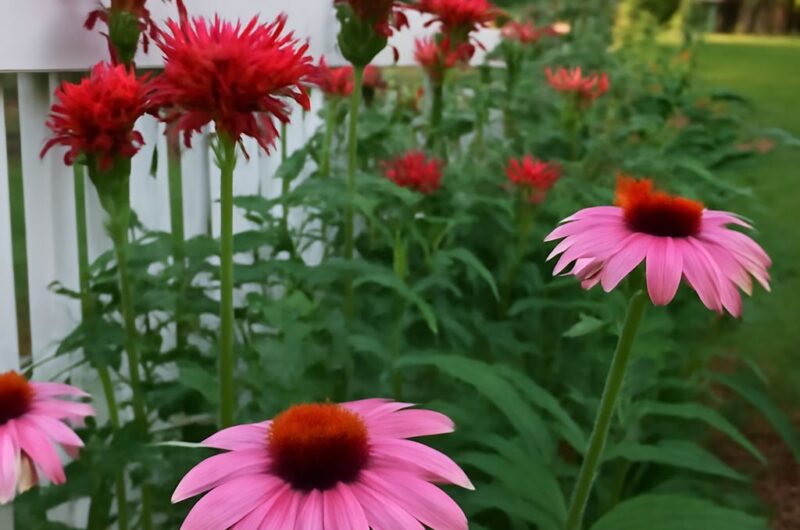
Bee Balm, Coneflowers, and Swamp Milkweed for Pollinator Gardens

Bee balm, coneflowers, and swamp milkweed are distinct native-garden choices. Learn to identify, grow, and combine them by sun, soil, moisture, height, spread, bloom time, and pollinator value.

Read More
World map showing tropical, dry, temperate, continental, polar, and highland climate regions
May 31, 2026May 31, 2026Climate Basics

Climate Zones: How Climate Shapes Human-Environment Interaction

Learn how climate zones are mapped by long-term temperature and precipitation, where major climate groups occur, and how a climate zone shapes and is reshaped by human life.

Read More

Posts pagination

Previous Page 1 … Page 15 Page 16

About site

Links

  • Privacy policy
  • Terms of use
  • About us
  • Reader feedback

Categories

  • Clean Energy
  • Climate Basics
  • Compost & Soil
  • Ecosystems
  • Edible Gardens
  • Food & Gardens
  • Forests
  • Garden Ecology
  • Garden Planning
  • Home Conservation
  • Low-Waste Basics
  • Native Plants
  • Plant Guides
  • Pollution & Water
  • Recycling
  • Sustainability

Recent Posts

  • Understanding the GPP Equation in Forest Ecosystems
  • Understanding Foundation Species in Forest Ecosystems
  • How to Propagate Monstera Plants Successfully
  • Understanding the Night Jasmine Plant
  • Growing and Caring for the Jaboticaba Tree
© Copyright 2026 Green Action News. All Rights Reserved.