Producers in an ecosystem explained: learn how climate zones shape the taiga, from its range, soils, and seasons to the conifers, shrubs, mosses, and lichens that fuel its food web.
Producers in an Ecosystem: The Taiga on a World Biome Map



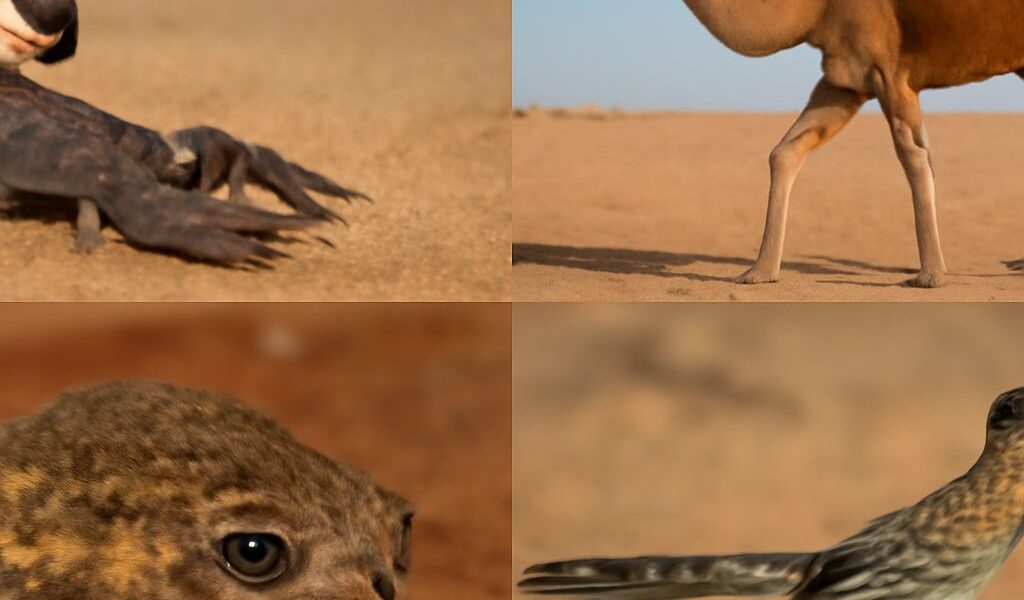
Producers in an ecosystem explained: learn how climate zones shape the taiga, from its range, soils, and seasons to the conifers, shrubs, mosses, and lichens that fuel its food web.
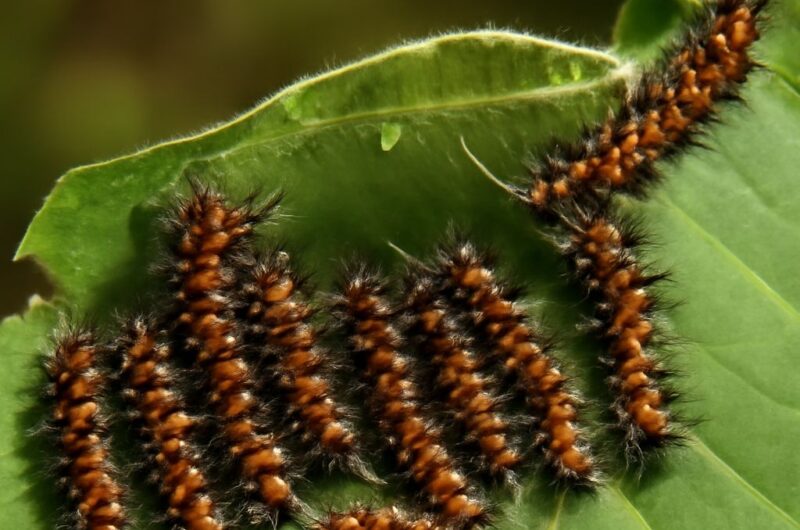
Learn to identify the milkweed tussock caterpillar, read its feeding signs, and understand how this native moth larva uses milkweed without confusing it with a monarch caterpillar.
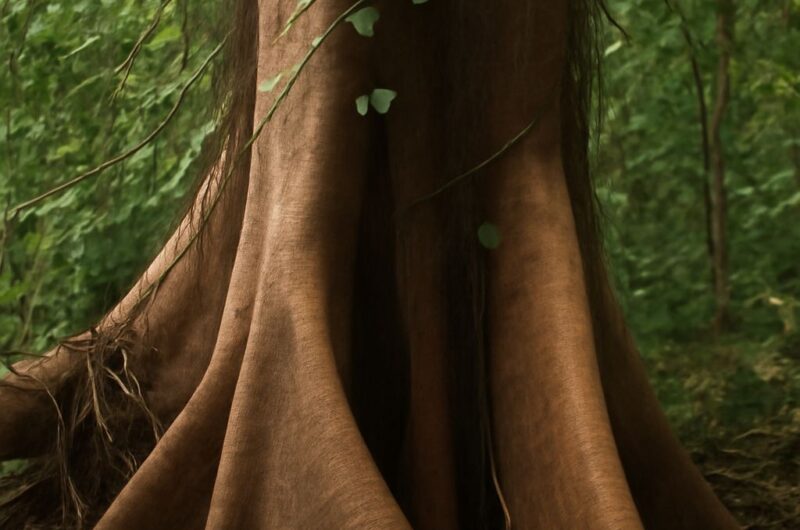
Explore tropical rainforest plant adaptations in Africa, from buttress roots and drip-tip leaves to vines and epiphytes, while tracing light, moisture, and nutrients from floor to canopy.
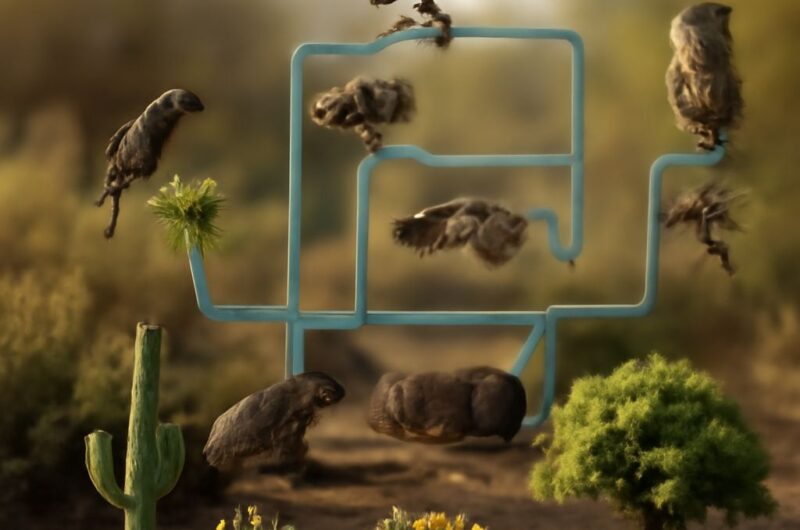
Learn the stages of ecological succession in a desert food chain, from bare rock and pioneer producers to richer plant cover, consumers, habitats, and branching food webs.
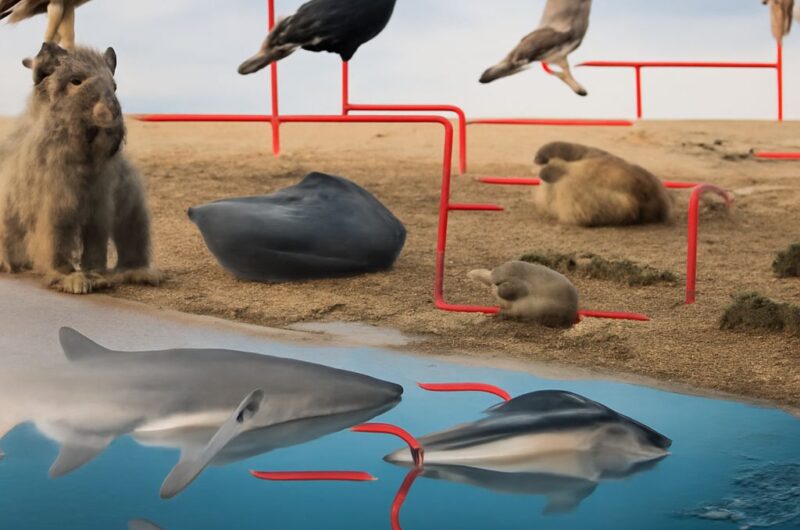
Tundra animal adaptations, producers, and an energy pyramid in a food web explained: learn how short growing seasons limit energy, shape feeding relationships, and affect population size.

Learn how tropical rainforest adaptations help plants survive heavy rain, low understory light, and poor soils—and how rainforest herbivores use leaves, fruit, and seeds across forest layers.
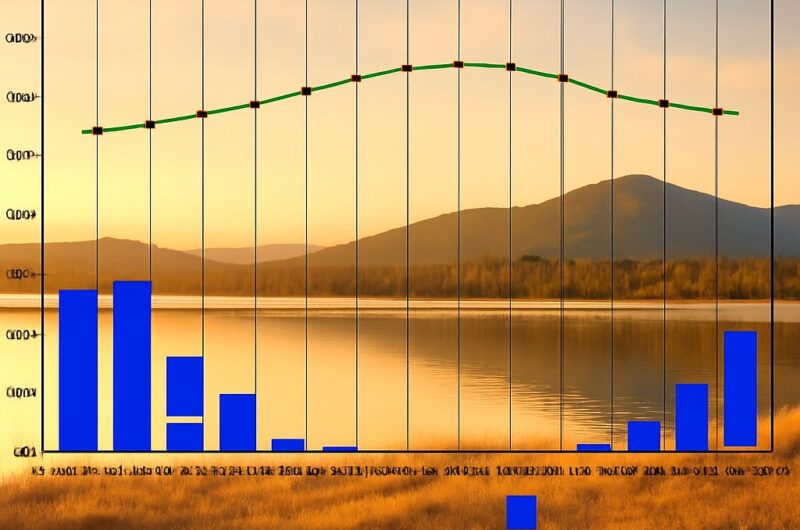
Use the Köppen climate classification chart to decode climate labels, follow temperature and precipitation rules, and compare representative U.S. regions from humid coasts to arid deserts.
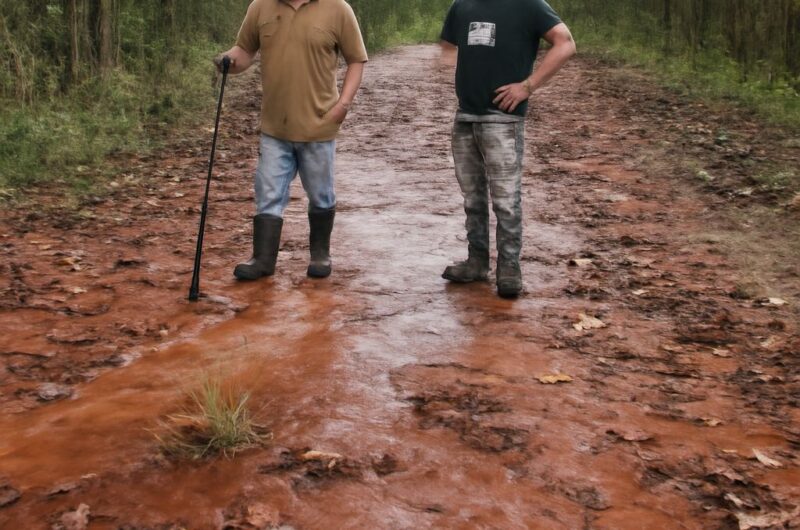
Learn the mountaintop removal definition, its link to strip mining, the environmental effects on land, water, waste rock, and habitat, and how mitigation differs from remediation.
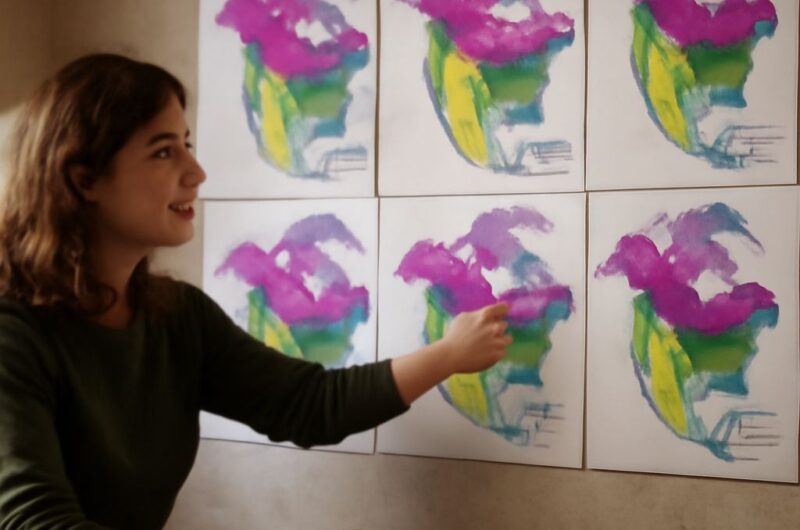
World climates explained through the five Köppen groups: learn how temperature, precipitation, and seasonality define Köppen climate types and map to climate zones of the United States.
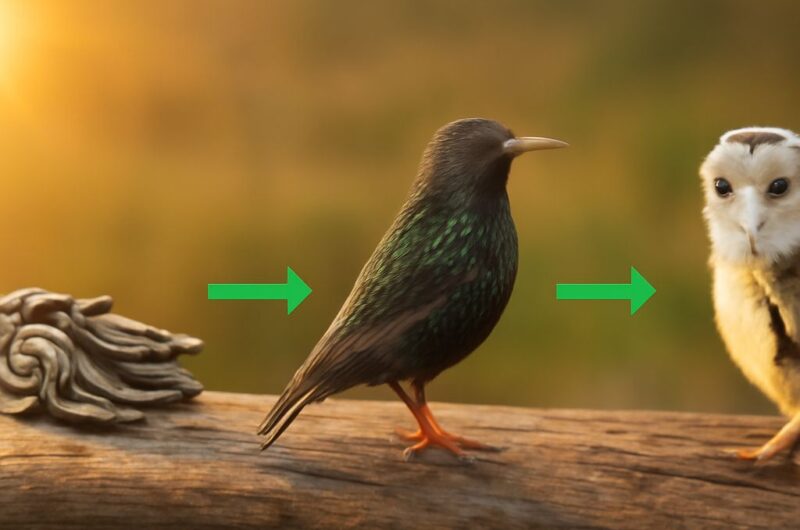
Follow an owl food chain from plants to small mammals and barn owls, then see how alternate prey, predators, scavengers, and decomposers create a connected ecosystem food web.