 Gloria Glover
 Plastic recycling symbols tell us which resin a plastic item uses, but they do not guarantee that the item will be accepted for recycling. When we see plastic #5, the mark identifies polypropylene, commonly abbreviated PP. We then need to compare that material label with the rules of the local collection program.
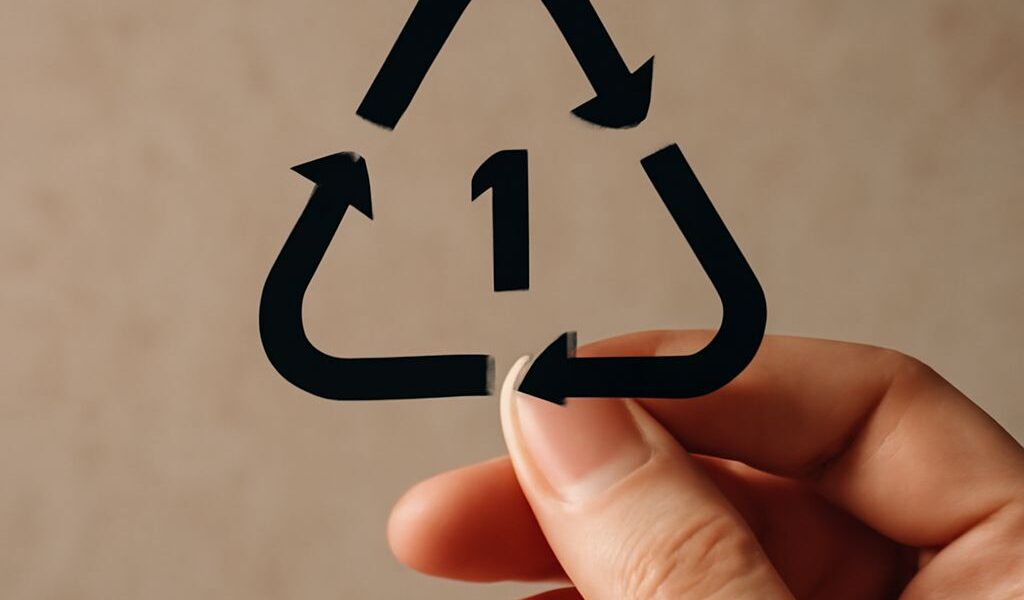
The chasing-arrows triangle is a resin identification code, not a universal recycling promise. A number inside the triangle identifies the plastic type and helps manufacturers, sorters, and recyclers handle materials correctly. Acceptance depends on local equipment, markets, collection contracts, and whether the item is rigid or flexible.
What Plastic Recycling Symbols Identify
Resin codes run from 1 to 7. They distinguish common plastic families such as PET, HDPE, PVC, LDPE, PP, and polystyrene, along with a category for other resins. The code answers one question: What kind of plastic is this? It does not answer: Can we place it in our curbside recycling bin?
For example, two containers may carry the same code but follow different routes because one community accepts that shape while another does not. A symbol printed on a package can also help us find accurate disposal instructions, but we should check the local program rather than rely on the triangle alone.
What #5 PP Means
#5 PP means the item is made primarily from polypropylene. PP is a lightweight, durable plastic that resists moisture, many chemicals, and moderate heat. Manufacturers use it for both rigid containers and flexible or fiber-like products.
Polypropylene often feels slightly tougher and more flexible than some other container plastics. It may be molded into a hinged lid, woven into a reusable bag, or formed into a thin lining. Additives, colors, labels, food residue, and the item’s shape can affect whether a recycling facility accepts it.
Common Plastic #5 Products
We commonly find the number 5 code on:
- Yogurt, cottage cheese, and margarine tubs
- Reusable food-storage containers and their lids
- Takeout containers, deli cups, and some meal trays
- Bottle caps, medicine bottles, and household-product closures
- Straws, woven polypropylene sacks, and reusable shopping bags
Not every PP product belongs in the same collection stream. Rigid tubs may be accepted in curbside programs, while polypropylene film, woven bags, and small loose pieces may require a drop-off location or may not be collected at all.
How to Prepare and Route PP for Recycling
Use this process for a number 5 item:
- Identify the material. Look for the number 5 and the letters PP on the container or underside. If there is no code, use the product’s packaging instructions or the local program directory.
- Empty the item. Scrape out food and liquid. A quick rinse is useful when residue could contaminate other recyclables; the container should not be dripping wet.
- Separate obvious extras. Remove non-PP parts when instructions require it, such as metal handles, foam inserts, or attached rubber pieces. Keep lids with containers only if the program says to do so.
- Check the accepted-items list. Search the local authority, hauler, or materials recovery facility guidance for “polypropylene,” “rigid plastic,” or “number 5.” Confirm whether the program accepts tubs, lids, takeout packaging, and flexible PP separately.
- Use the correct route. Put accepted rigid PP in the curbside bin loose, never inside a plastic bag. Take unaccepted items to a confirmed depot or retailer collection point when available. If no approved route exists, follow the disposal instructions rather than placing the item in recycling.