 Gloria Glover
The pinyon pine, a tree native to the southwestern United States, is a unique species known for its resilience and adaptability. As an essential part of the ecosystem, the pinyon pine tree not only provides food and habitat for wildlife but also holds cultural significance for indigenous communities. Let’s explore the characteristics, ecological importance, habitats, and uses of this remarkable tree.
What is a Pinyon Pine?
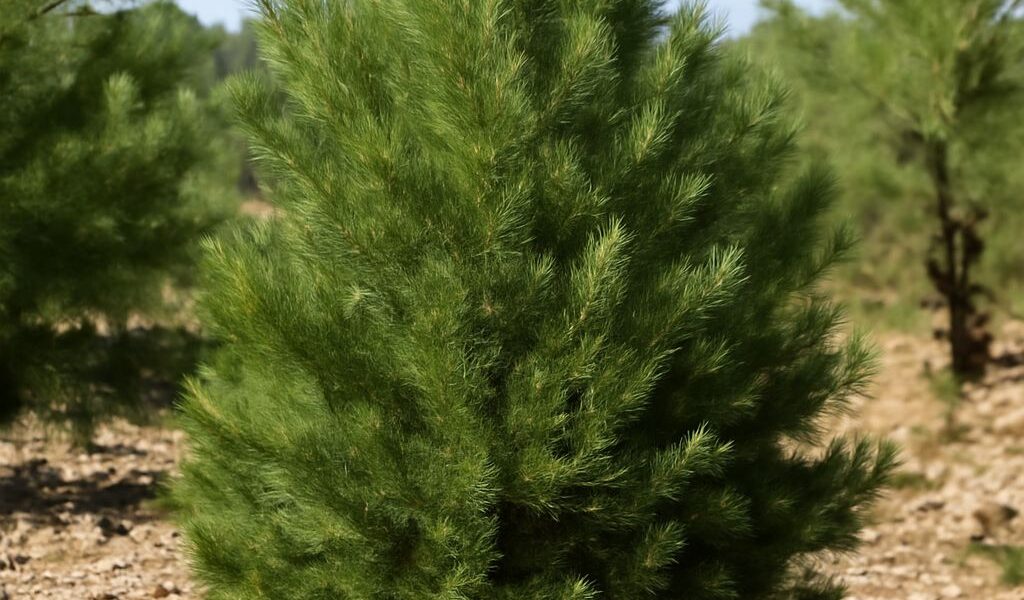
The pinyon pine tree, scientifically known as Pinus edulis and Pinus monophylla, is characterized by its small stature and rounded shape. Unlike the towering pines seen in other regions, pinyon pines typically reach heights of 10 to 20 feet. These trees are recognized for their short needles, which grow in pairs or singularly, and their distinctive pinyon nuts, which are both edible and nutritious.
Ecological Importance of the Pinyon Pine
Pinyon pines play a crucial role in their ecosystems. They provide habitat and food for various species, including birds, mammals, and insects. The pinyon jay, for example, relies heavily on pinyon nuts, which are a primary food source. Additionally, these trees contribute to soil stabilization and moisture retention, supporting the overall health of the landscape. Their presence is vital for the biodiversity of the region, as they offer shelter and sustenance to a wide range of organisms.
Pinyon Pine Habitats and Growth Conditions
The pinyon tree thrives in arid environments, commonly found at elevations between 4,500 and 7,500 feet. It is well-adapted to survive in rocky soils with minimal water, making it an ideal species for dry climates. Pinyon pines are typically found in the southwestern United States, including areas like Arizona, New Mexico, and Utah. These trees prefer well-drained soils and can often be seen growing alongside junipers, forming the characteristic pinyon-juniper woodlands.
Cultural and Practical Uses of Pinyon Pines
Pinyon pines have long been valued by indigenous peoples for their cultural and practical uses. The seeds, known as pinyon nuts, are a traditional food source, rich in protein and essential fats. Harvesting these nuts is a time-honored tradition, often involving entire communities coming together to gather and process the seeds.
Beyond their nutritional value, pinyon pines have been used for various practical purposes. The wood serves as fuel, while the resin is used in traditional medicines and crafts. The cultural significance of the pinyon pine is profound, symbolizing resilience and sustainability within many Native American tribes.
In conclusion, the pinyon pine is a tree of great ecological and cultural importance. Its ability to thrive in harsh conditions while supporting diverse forms of life underscores its value in the landscapes of the southwestern United States. Understanding and preserving the pinyon pine is essential for maintaining the ecological balance and cultural heritage of the regions it inhabits.