 Gloria Glover
When we think of desert plants, we often marvel at their ability to thrive in one of the harshest environments on Earth. These plants possess unique features that not only allow them to survive in the desert but also enhance the beauty of desert landscapes. Let’s delve into what makes desert plants special, explore the various types, understand their survival adaptations, and discover how to integrate them into our landscapes.
What Makes Desert Plants Unique
Desert plants are exceptional due to their ability to endure extreme conditions such as intense heat, high winds, limited rainfall, and poor soil quality. They have adapted to conserve water, reproduce efficiently, and protect themselves from herbivores. The resilience of plants that live in the desert is what makes them a fascinating study in survival.
Types of Desert Plants
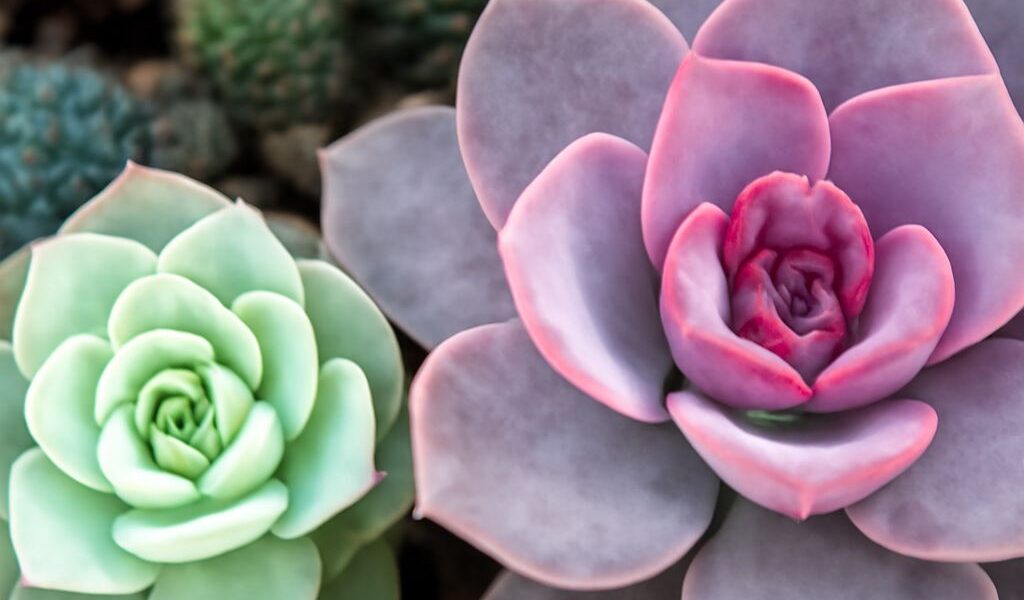
There is a wide variety of desert plants, each with its distinctive characteristics. Some of the most common types of desert plants include cacti, succulents, shrubs, and trees. Cacti, such as the iconic saguaro, are known for their thick, fleshy stems that store water. Succulents like agave have plump leaves that serve the same purpose, while shrubs like the creosote bush can survive with minimal water. Trees such as the Palo Verde and Joshua tree are adapted to the desert’s challenging conditions, providing shade and habitat for other species.
Adaptations for Survival
Desert plants have developed remarkable adaptations to thrive in arid environments. Water conservation is a key adaptation, seen in features like waxy coatings on leaves and stems, deep root systems, and the ability to store water for long periods. Some species, like the mesquite tree, have roots that can reach depths of up to 100 feet to access underground water sources. Rapid life cycles are another adaptation, allowing plants to reproduce quickly during rare rainfall events. Furthermore, many desert plants have thorns or toxic compounds to deter herbivores.
Integrating Desert Plants into Landscapes
Integrating desert landscape plants into our gardens and urban spaces can create striking visual appeal while promoting sustainability. These plants require minimal water, making them ideal for xeriscaping, a landscaping method that reduces or eliminates the need for irrigation. When choosing desert plants for landscaping, consider their size, shape, and color to complement existing features and the overall aesthetic. Popular choices include the vibrant blooms of desert marigold and the architectural appeal of aloe vera. By using native desert plants, we not only celebrate their beauty and resilience but also contribute to the conservation of local ecosystems.