 Gloria Glover
As we explore the fascinating world of the coconut palm, we delve into its growth habits, ideal conditions, and the diverse environments where it thrives. This iconic tree not only holds cultural and economic significance but also offers various practical benefits. Let’s uncover the intricacies of the coconut palm and discover where coconuts grow around the globe.
What is a Coconut Palm?
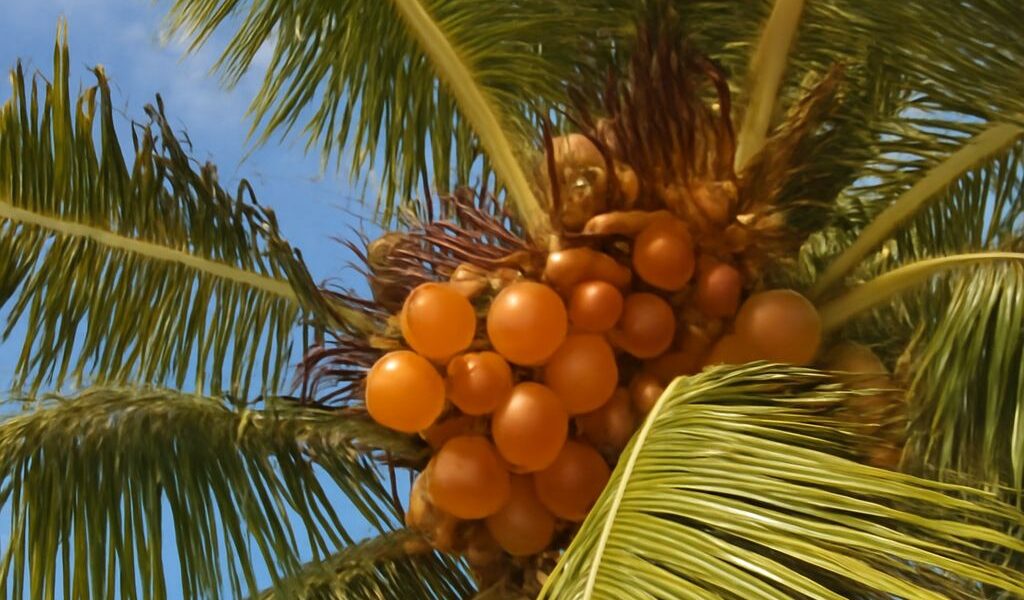
The coconut palm, scientifically known as Cocos nucifera, is a tropical tree belonging to the Arecaceae family. Recognized for its tall, slender trunk and crown of large, feather-like leaves, the coconut palm tree can reach up to 30 meters in height. Its characteristic fruit, the coconut, serves as a crucial food source and raw material for numerous products worldwide. The versatility of the coconut makes the coconut palm an invaluable tree in tropical regions.
Where Do Coconuts Grow?
Coconuts primarily grow in tropical and subtropical climates. Ideal regions include Southeast Asia, the Pacific Islands, India, and parts of Central and South America. Countries such as Indonesia, the Philippines, and India are among the largest producers of coconuts globally. The coconut plant thrives in coastal areas, where the climate is humid and temperatures range between 21°C and 32°C (70°F to 90°F). Understanding where coconuts grow involves recognizing these specific environmental conditions.
Ideal Conditions for Coconut Palm Growth
The coconut palm requires well-drained sandy soil and a high level of sunlight to flourish. It prefers areas with annual rainfall of 1,000 to 3,000 millimeters and can tolerate salty water, making it well-suited for coastal regions. Additionally, strong winds can assist the tree’s seeds in dispersing, ensuring the continuation of its growth cycle. However, while the coconut plant is resilient, it is sensitive to frost and cannot survive in cold climates.
Coconut Palm Tree Uses and Benefits
The coconut palm tree is a multifunctional plant with various uses. The fruit provides coconut water, milk, and oil, which are essential ingredients in culinary dishes and beauty products. Coconut husks and shells are used in producing ropes, mats, and activated charcoal. Moreover, the tree’s leaves and trunk are utilized in traditional construction and crafts. Beyond its practical applications, the coconut palm contributes to environmental sustainability by preventing coastal erosion and supporting biodiversity.
In summary, the coconut palm is a vital part of tropical ecosystems and economies. By understanding its growth habits, ideal environments, and myriad uses, we appreciate the significant role it plays in both natural habitats and human industries.