 Gloria Glover
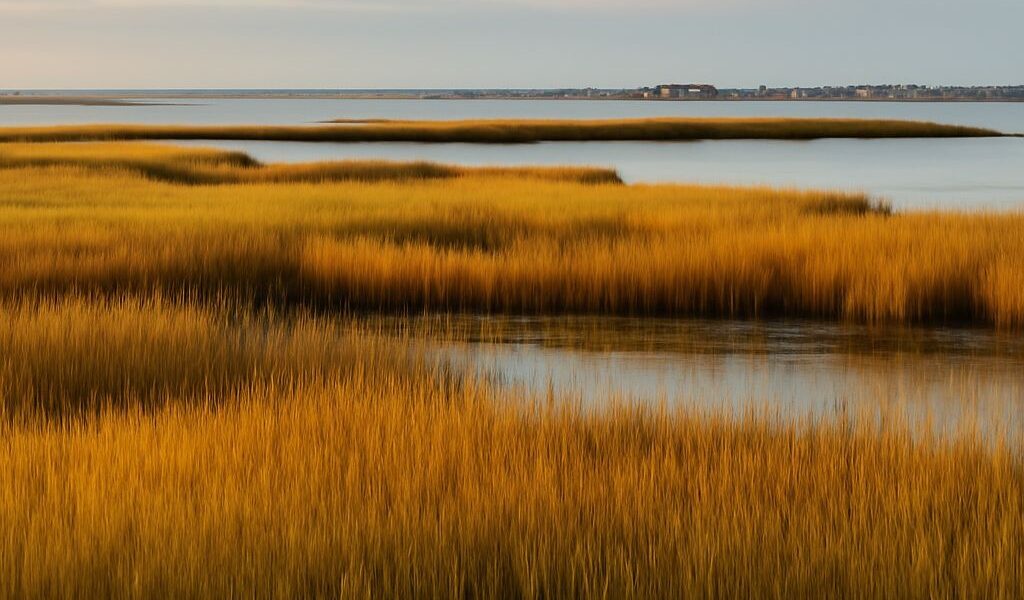
Salt marshes, also known as saltwater marshes, are coastal wetlands that are regularly flooded and drained by saltwater brought in by the tides. These unique ecosystems are characterized by salt-tolerant plants and are found in temperate and high-latitude areas around the world. They serve as vital components of our coastal environments, offering a range of ecological and economic benefits.
What is a Salt Marsh?
A salt marsh is a type of wetland that features salt-tolerant plants and is periodically inundated by tidal waters. The vegetation primarily consists of grasses, sedges, and shrubs that have adapted to saline conditions. These plants play a crucial role in trapping sediments and stabilizing the shoreline, which helps in reducing erosion. Salt marshes are typically found in estuaries, where freshwater from rivers meets the ocean, creating a unique environment with varying salinity levels.
Functions of Salt Marsh Ecosystems
Salt marsh ecosystems perform several essential functions. Firstly, they act as natural buffers, protecting coastlines from storm surges and wave impacts. The dense vegetation slows down floodwaters, reducing the energy of waves and minimizing erosion. Secondly, salt marshes serve as critical carbon sinks, sequestering carbon dioxide from the atmosphere and mitigating climate change. Their ability to capture and store carbon is comparable to that of tropical rainforests. Additionally, salt marshes filter pollutants and nutrients from runoff, improving water quality and supporting marine life.
Biodiversity in Saltwater Marshes
The biodiversity within saltwater marshes is remarkable. These ecosystems provide habitat and breeding grounds for a variety of species, including fish, birds, and invertebrates. Many commercially important fish species, such as striped bass and bluefish, rely on salt marshes for spawning and nursery areas. Bird species, including herons and egrets, are commonly found in these wetlands, benefiting from the abundance of food resources. The complex food web within saltwater marshes supports a diverse array of wildlife, making them vital for maintaining ecological balance.
Threats to Salt Marsh Ecosystems
Despite their importance, salt marsh ecosystems face numerous threats. Human activities, such as coastal development and pollution, have led to the degradation and loss of these critical habitats. The construction of dams and levees disrupts natural water flow, affecting the salinity levels that are crucial for the health of salt marshes. Additionally, climate change poses a significant threat through rising sea levels and increased frequency of extreme weather events. These changes can lead to the submergence of salt marshes, reducing their ability to function effectively.
Efforts to protect and restore salt marshes are crucial for the sustainability of these ecosystems. Conservation initiatives, such as the creation of marine protected areas and the restoration of damaged wetlands, play a vital role in preserving the ecological and economic benefits that salt marshes provide. By understanding the importance of salt marsh ecosystems, we can better appreciate their role in our environment and work towards safeguarding them for future generations.