 Gloria Davis
The Paulownia tree, often admired for its rapid growth and stunning blooms, is a versatile and valuable addition to any landscape. Known by its alternative spelling, pawlonia, this tree’s appeal extends beyond aesthetics to practical uses in landscaping and woodworking. Let’s delve into the unique attributes of the Paulownia tree, its growth characteristics, and the captivating beauty of the Paulownia flower.
What is a Paulownia Tree?
The Paulownia tree, native to China, is renowned for its fast-growing nature and adaptability to various climates. It belongs to the Paulowniaceae family and is often referred to as the “Empress Tree” due to its majestic appearance. This tree can reach impressive heights and is characterized by large, heart-shaped leaves and clusters of fragrant flowers that bloom in early spring.
Growth and Characteristics
Paulownia trees are known for their rapid growth rate, sometimes growing up to 15 feet in a single year under optimal conditions. They thrive in well-drained soils and require ample sunlight. The tree’s wood is lightweight yet strong, making it a popular choice for various applications. Additionally, Paulownia trees are tolerant of drought and resistant to pests, which adds to their appeal for gardeners and landscapers.
Uses and Benefits of Paulownia Wood
Paulownia wood is highly valued for its strength-to-weight ratio and workability. It’s used in the production of furniture, musical instruments, and even lightweight boats. The wood’s resistance to warping and cracking makes it a preferred material for cabinetry and woodturning projects. Furthermore, its quick regrowth capability after harvesting makes it a sustainable choice for wood production.
The Beauty of Paulownia Flowers
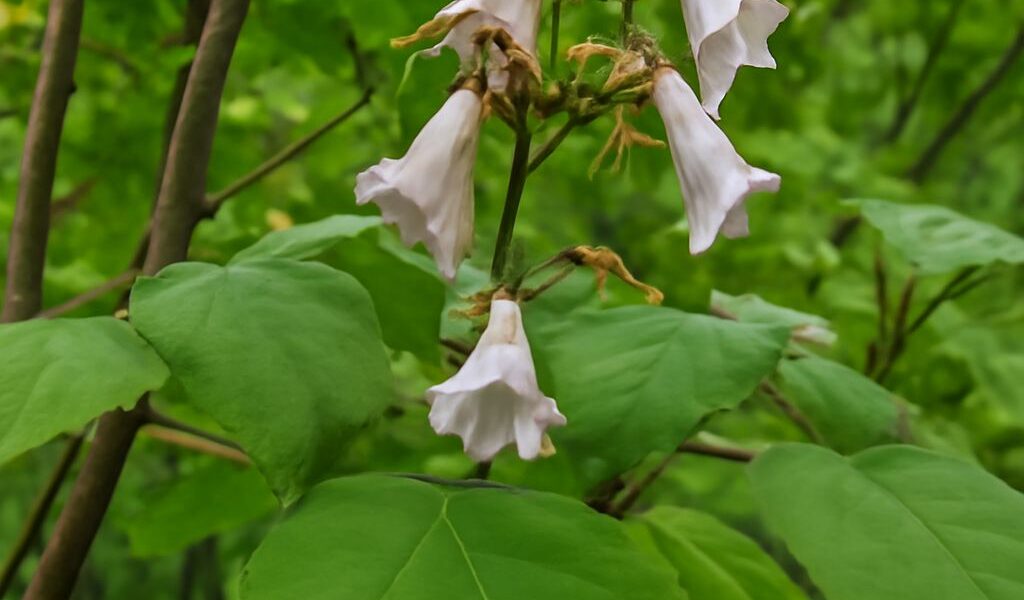
The Paulownia flower is truly a sight to behold. These flowers are typically lavender or pale violet and form in clusters that can cover the entire tree, creating a stunning visual display. The blooms are not only beautiful but also attract pollinators such as bees and butterflies, enhancing biodiversity in gardens and landscapes. Their fragrance adds an extra layer of allure, making the Paulownia tree a favorite for ornamental planting.
In summary, the Paulownia tree, with its variant spelling pawlonia, offers both aesthetic and practical benefits. Whether you’re cultivating it for its beautiful Paulownia flower or utilizing its versatile wood, this tree is a remarkable addition to any environment.