 Gloria Davis
Sweet gum tree balls are a familiar sight across much of North America, especially in parks, yards, and forested areas where the sweet gum tree (Liquidambar styraciflua) thrives. These spiky, round seed pods—often called sweetgum balls—can be both a curiosity and a nuisance for property owners. In this article, we’ll explain what these distinctive pods are, why sweet gum trees produce them, their potential uses, and practical strategies for managing them in your landscape.
What Are Sweet Gum Tree Balls?
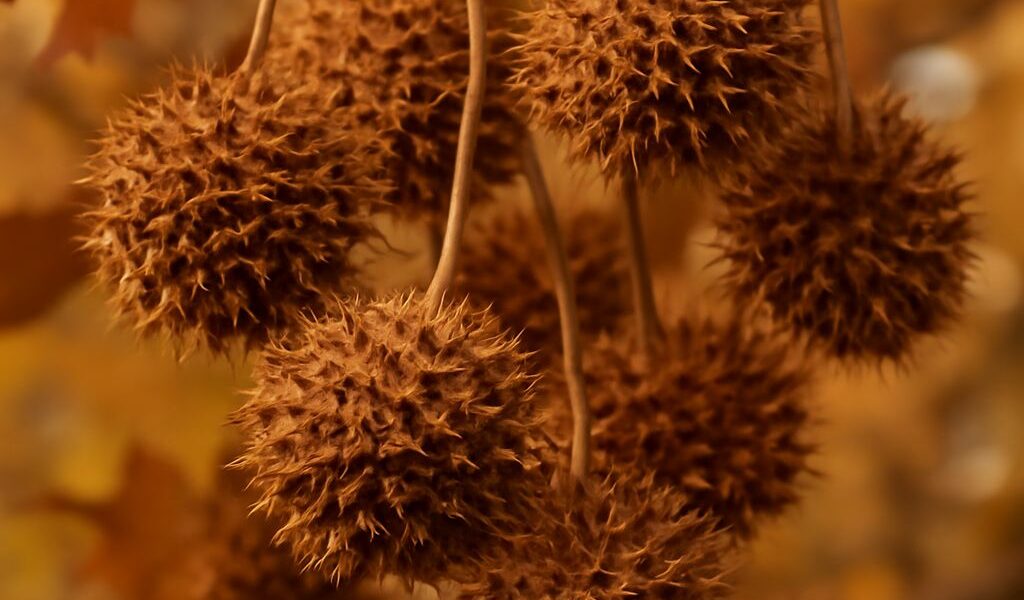
Sweet gum tree balls are the hard, spiky seed pods produced by the sweet gum tree. Each ball is roughly 1 to 1.5 inches in diameter and covered in stiff, woody spikes, earning the nickname “tree with spiky balls.” These seed balls start out green on the tree, ripening to brown and dropping in late fall through winter.
Inside each sweet gum ball are dozens of tiny seeds. After the pods fall, they typically break open, scattering seeds across the ground. The tree’s scientific name, Liquidambar styraciflua, comes from its aromatic resin (“liquid amber”), but it’s the distinctive balls that most people recognize first.
Sweet gum trees are commonly planted as shade trees in the eastern and southern United States. Because the balls can create dense, prickly carpets beneath mature trees, they’re a common topic among homeowners seeking to identify and manage these pods.
Visually, the sweet gum tree is easy to spot: look for star-shaped leaves that turn brilliant red, orange, and yellow in the fall, along with the unmistakable spiked balls hanging from twigs or scattered below.
Why Do Trees Produce These Spiky Balls?
The main reason sweet gum trees produce these spiky balls is reproduction. Each ball contains between 40 and 60 tiny seeds, which are dispersed when the pod falls and either breaks open or decays. The spikes help deter animals from eating the seeds, increasing the chances that some will germinate and grow into new trees.
Sweet gum trees have evolved this method of seed dispersal as a survival strategy. The balls are tough enough to protect the seeds from birds and rodents, but eventually they open enough for the seeds to fall out. Wind, rain, or passing animals can then carry the seeds farther from the parent tree, helping the species spread.
While the balls can be a tripping hazard or a challenge for lawn maintenance, their biological role is crucial to the tree’s lifecycle. Some wildlife, like goldfinches or squirrels, may eat the seeds, but the majority of seeds disperse naturally.
Understanding why sweet gum trees create these seed pods can help us appreciate their tenacity as a native species, even as we look for ways to manage their presence in our yards.
Common Uses for Sweetgum Balls
Despite their reputation as yard nuisances, sweetgum balls have several creative and practical uses. Crafters often collect sweet gum tree balls for holiday decorations, wreaths, and ornaments. Their unique spiky shape and natural wood color make them popular for rustic crafts—just be sure to clean and dry them thoroughly before use.
Some gardeners use sweetgum balls as natural mulch around plants that don’t require dense coverage. The spiny texture can deter cats and squirrels from digging, and the pods slowly break down, adding organic matter to the soil. However, they aren’t ideal for areas where you’ll walk barefoot or mow frequently, due to their hard, prickly shells.
On forested properties, sweetgum balls can be left to decompose, enriching the soil and providing small wildlife with materials for shelter. While not commonly used for firewood due to their size, dry balls can be added to campfires in small quantities to help start a flame, though they burn quickly.
Before repurposing sweetgum balls, check for mold or rot, especially if they’ve been exposed to rain for long periods. For crafting or indoor use, it’s best to gather freshly fallen, intact balls.
How to Manage Sweet Gum Tree Balls in Your Yard
Managing sweetgum balls takes a bit of effort, especially if you have multiple mature trees on your property. The most effective method is regular raking or sweeping during the main drop period, usually late fall through early spring. Using a sturdy leaf rake or a rolling nut gatherer designed for spiky debris can speed up the process and minimize bending or hand contact with the sharp pods.
For larger areas, consider using a power vacuum or a lawn sweeper, which can quickly collect the balls from grassy or paved surfaces. Many homeowners find it helpful to schedule yard clean-up after windy days, when the majority of sweet gum balls fall at once. Collect the pods into bags for yard waste disposal, composting, or craft projects.
If you’re planning new landscaping, it may be worth considering the sweet gum’s seed production before planting. Some horticultural varieties, such as ‘Rotundiloba’, produce fewer or no sweetgum balls, making them a better choice for high-traffic lawns or gardens.
While there are chemical treatments that claim to reduce sweet gum ball production by sterilizing flowers, these must be applied by professionals at the right time each year and may not be fully effective. For most homeowners, routine clean-up remains the most practical and reliable solution to managing sweet gum tree balls in the landscape.