 Gloria Davis
Rain water harvesting is a practical and sustainable solution to the increasing pressure on our freshwater resources. By capturing and storing rainwater for later use, we can reduce our dependence on municipal water supplies, improve water security, and contribute to a more resilient environment. Let’s explore how rain water harvesting works, why it matters, and how we can set up a water harvesting system in our own homes.
What Is Rain Water Harvesting?
At its core, rain water harvesting is the process of collecting and storing rainwater from surfaces such as rooftops, land surfaces, or rock catchments. Instead of letting rainwater simply run off into drains or evaporate, we capture it for future use. This method has been used for centuries in various parts of the world, adapting to local climates and needs.
Typically, the harvested rainwater is stored for non-potable uses like irrigation, flushing toilets, or washing vehicles, but with proper treatment, it can also supplement drinking water supplies. In both urban and rural settings, rain water harvesting helps communities safeguard their water resources and buffer against periods of drought or water scarcity.
The simplicity and adaptability of rain water harvesting make it accessible for individual households, commercial buildings, and even large community projects. By understanding the basics, we can see why it’s such an important approach in sustainable water management.
How a Water Harvesting System Works
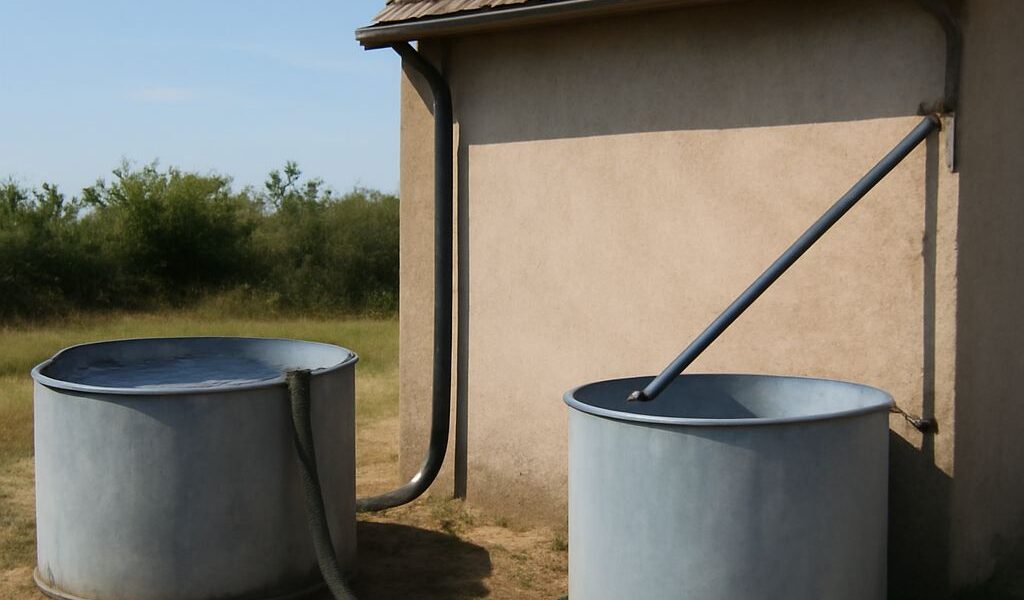
A water harvesting system is designed to capture, filter, and store rainwater for later use. The key components typically include a catchment area (most often a roof), a conveyance system (gutters and downspouts), a filtration unit, and a storage tank or cistern.
Here’s how the standard system operates:
- Catchment Area: This is usually the roof of a building, which collects the falling rain. The larger and cleaner the catchment, the more water can be harvested.
- Conveyance System: Gutters and downspouts channel rainwater from the catchment area to the storage tank. Leaf guards and first-flush diverters help keep debris and contaminants out of the system.
- Filtration: Before the water reaches the storage tank, it passes through filters that remove leaves, dust, and other particles. This step is crucial for maintaining water quality, especially if the harvested water will be used indoors.
- Storage: The filtered rainwater is stored in tanks made of materials like plastic, concrete, or metal. Storage should be covered and sealed to prevent contamination and mosquito breeding.
- Distribution: A simple gravity-fed design or a pump can deliver the stored water for use in gardening, cleaning, flushing toilets, or—if treated—drinking and cooking.
Some advanced systems include automated controls and treatment units for potable use, while basic setups focus on outdoor or agricultural applications. The right system depends on our needs, budget, and available space.
Key Benefits for Communities and the Environment
Rain water harvesting delivers immediate and long-term advantages for both people and the planet. One of the most significant benefits is reduced demand on municipal water supplies, which helps prevent shortages, especially during dry seasons. In regions where water scarcity is common, rain water harvesting can provide a reliable supplementary source for households and agriculture.
Harvesting rainwater also helps manage stormwater runoff, reducing erosion and flooding in urban areas. By capturing rain close to where it falls, we prevent overloading of drainage systems and minimize pollution entering rivers and lakes. This makes our communities more resilient to climate change and unpredictable weather patterns.
Furthermore, using harvested rainwater can lower water bills, support local food production through irrigation, and reduce our carbon footprint by decreasing the energy needed for water treatment and transport. The environmental impact is overwhelmingly positive when systems are properly maintained and matched to local conditions.
Getting Started with Rain Water Harvesting at Home
Setting up a rain water harvesting system at home is more accessible than many of us realize. To begin, we should assess our roof size, rainfall patterns, and intended water uses. Even a small system can make a noticeable difference in garden irrigation or washing cars.
The basic steps include installing gutters and downspouts to direct water from the roof, adding leaf guards and simple mesh filters, and positioning a covered storage tank or barrel. For those interested in using harvested water indoors, additional filtration and treatment systems are required—these can range from simple sediment filters to UV purification units, depending on local health guidelines.
Maintenance is straightforward: regularly clear gutters of debris, check filters, and clean the storage tank annually. By starting with one or two barrels and expanding as needed, we can gradually increase our rain water harvesting capacity and make a significant impact on both our household budget and our local environment.