 Gloria Davis
Oil spills are one of the most damaging events that can occur in marine environments, posing significant threats to wildlife, ecosystems, and human livelihoods. Understanding what an oil spill is and how it impacts the ocean is crucial for mitigating these disasters. In this article, we’ll explore the causes and consequences of oil spills, as well as the measures taken to prevent and clean up oil pollution in the ocean.
Defining Oil Spills
At its core, an oil spill occurs when petroleum or petroleum-based products are accidentally released into the environment, particularly into bodies of water. These spills can happen during various stages of oil production, transportation, and consumption. The resulting oil slick can spread rapidly, creating widespread damage to marine ecosystems and coastal areas.
Causes of Oil Spills
Oil spills can result from several sources, each with unique triggers and consequences. One primary cause is the accidental release of oil during transportation, which often involves tankers and pipelines. Mechanical failures, human error, and extreme weather conditions contribute to these incidents. Offshore drilling operations also pose significant risks, as equipment failures or blowouts can lead to substantial oil discharges. Lastly, natural disasters such as hurricanes or earthquakes can damage oil facilities, resulting in unintended leaks.
Impact of Oil Spills on Marine Life
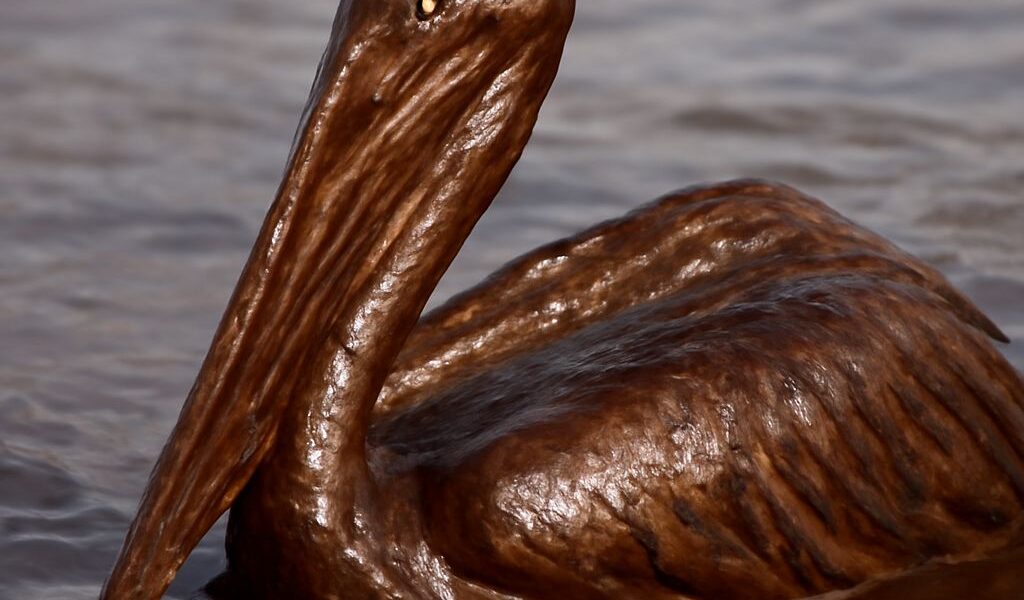
The effects of oil pollution in the ocean are devastating and far-reaching. When oil coats the surface of the water, it disrupts the oxygen exchange necessary for aquatic life. Marine mammals, such as dolphins and whales, can suffer from inhalation of toxic fumes or ingestion of contaminated prey. Sea birds are particularly vulnerable; oil damages their feathers, reducing their ability to regulate body temperature and fly. Additionally, oil contamination can devastate fish populations and coral reefs, leading to long-term ecological consequences.
Preventive Measures and Cleanup Methods
Preventing oil spills requires a combination of policy measures, technological advancements, and industry practices. Regulatory frameworks ensure that companies adhere to safety standards, while continuous monitoring and maintenance can help identify potential risks before they lead to spills. Innovations in oil spill detection and response technology, such as remote sensing and autonomous vehicles, enhance our capability to prevent and manage spills effectively.
When spills do occur, a range of cleanup methods are employed. Mechanical containment and recovery, such as booms and skimmers, are used to physically remove oil from the water’s surface. Chemical dispersants can break down the oil into smaller droplets, promoting natural biodegradation. Bioremediation utilizes microorganisms to consume and break down oil pollutants. Each method has its advantages and limitations, and often a combination of techniques is used to address the spill comprehensively.