 Gloria Davis
Seagrape, scientifically known as Coccoloba uvifera, is a striking coastal plant prized for its broad, leathery leaves, decorative clusters of grape-like fruit, and impressive tolerance to salt and wind. As both a landscaping favorite and a native species across tropical coastal regions, the sea grape tree offers unique beauty and ecological value. In this guide, we’ll walk through what makes seagrape special, how to grow it successfully, its essential care needs, and the many ways the sea grape plant can enrich our gardens and communities.
What Is Seagrape (Coccoloba uvifera)?
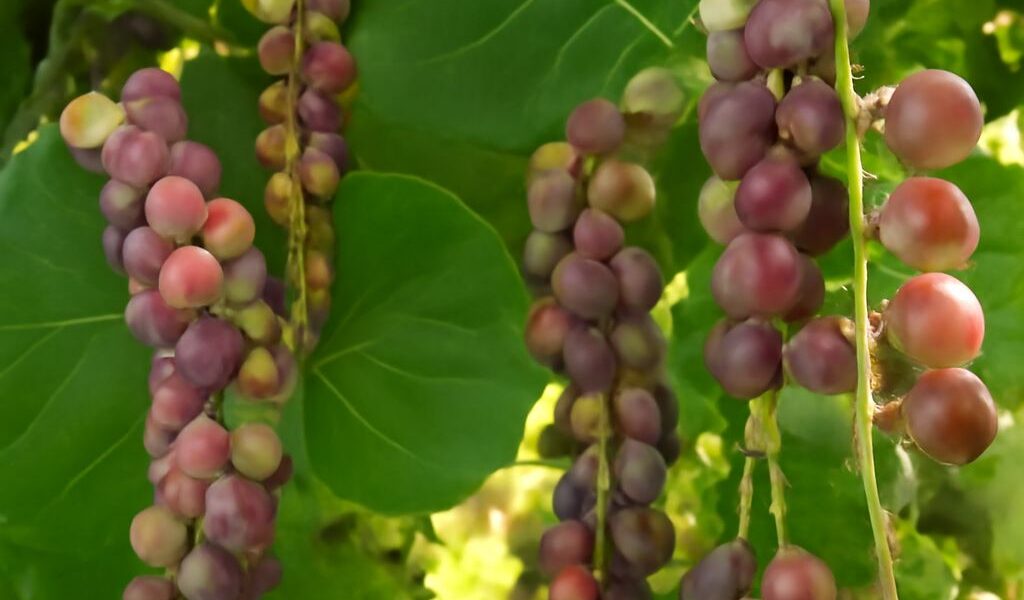
Seagrape, or Coccoloba uvifera, is an evergreen shrub or small tree native to the coastal areas of Florida, the Caribbean, and parts of Central and South America. Instantly recognizable, the sea grape tree features large, rounded, leathery leaves that can be up to 10 inches across, often with prominent red veins. In late spring or summer, the plant produces spikes of small, white flowers that, by late summer to fall, mature into clusters of green fruit resembling grapes. These fruits gradually ripen to a rich purple hue and are edible, with a sweet, musky flavor enjoyed by both people and wildlife.
The natural habitat of the seagrape plant is sandy or rocky seashores, where it plays a crucial role in stabilizing dunes and providing shelter for birds and insects. Its adaptability to tough coastal conditions makes it an invaluable component of shoreline ecosystems and a resilient option for seaside landscaping.
While commonly referred to as the sea grape tree, Coccoloba uvifera can be grown as a multi-stemmed shrub or pruned into a single-trunk tree form, generally reaching 10 to 35 feet in height depending on local conditions and management. Its striking foliage and salt tolerance make it a signature plant in tropical and subtropical gardens.
How to Grow a Sea Grape Tree
Establishing a healthy sea grape tree begins with thoughtful site selection and preparation. We should choose a planting location that receives full sun for the best growth and fruiting, though seagrape can tolerate some light shade. Well-drained, sandy or rocky soils are ideal, as the plant is highly adapted to coastal soils and even saline conditions. When planting, dig a hole twice as wide as the root ball and just as deep, backfill with native soil, and water thoroughly to eliminate air pockets.
Seagrape can be grown from seeds, which should be sown fresh for the best germination, or from cuttings. If starting from seed, remove the pulp from ripe fruits, rinse the seeds, and plant them about a half inch deep in moist, well-drained soil. Germination usually occurs within a few weeks. Young plants benefit from regular watering until established, after which the sea grape plant becomes increasingly drought-resistant.
When creating hedges or windbreaks, space multiple sea grape trees 6 to 8 feet apart. For a single specimen, allow enough room for mature spread—up to 35 feet in some cases. With moderate growth rates, we can expect a sea grape tree to reach 6 to 10 feet in its first five years under favorable conditions.
Seagrape Plant Care Requirements
Once established, the sea grape plant is notably low-maintenance. It is highly tolerant of salt spray, wind, and drought, making it perfect for coastal gardens. We should water young sea grape trees regularly during their first year, then rely on rainfall except during extended dry spells. Overwatering should be avoided, as the plant dislikes soggy roots.
Fertilization needs are minimal. A balanced, slow-release fertilizer can be applied in early spring for enhanced growth, but many established seagrape trees thrive with no supplemental feeding, especially in nutrient-rich coastal soils. Pruning is typically done to shape the plant, remove lower limbs, or maintain a tidy hedge. Pruning is best completed in late winter or early spring before the main growth flush.
Seagrape is relatively pest- and disease-resistant. Occasional issues may include scale insects or sooty mold, but these are rarely serious. Regular monitoring and good air circulation help prevent most problems. Mulching around the base helps retain moisture and suppress weeds, but avoid piling mulch against the trunk to prevent rot.
Uses and Benefits of the Sea Grape Plant
The sea grape plant offers a wide range of uses and ecological benefits. In landscaping, it serves as a windbreak, privacy screen, or striking specimen tree, particularly in coastal and salt-prone environments where few other species thrive. Its dense foliage provides excellent habitat for birds, butterflies, and pollinators, while the extensive root system helps stabilize dunes and control erosion along shorelines.
The fruit of the seagrape is edible and can be eaten fresh, though it contains a large seed. Many people use the ripened grapes to make preserves, jellies, and even wine. The leaves, with their attractive, round shape and red veins, are sometimes used in floral arrangements or crafts. In traditional medicine, parts of the plant have been used for their purported anti-inflammatory and astringent properties.
Beyond its beauty and utility, the seagrape tree is valued for its ability to thrive where other plants struggle, making it a vital addition to resilient, sustainable coastal landscapes.