 Gloria Davis
Winter squash does not need to grow through winter. It is a warm-season crop named for the way its mature fruit can be stored into colder months. Summer squash, by contrast, is picked while the skin is still tender. Learning to cultivate squash begins with deciding which kind of harvest you want and how much room the plants can have.
If you want frequent, tender vegetables for summer meals, growing a yellow summer squash variety is a good choice. If you prefer fruit for roasting or storage, allow a winter variety more time and often more space to mature on the vine.
Growing Yellow Squash Alongside Winter Types
To grow yellow varieties, choose straightneck or crookneck summer squash. They are usually bushy, although even a compact plant needs room for broad leaves and air to circulate. Pick the fruit young, while the skin is easily pierced and the seeds are small. Slice it into a skillet, grill it, or add it to a soup; the tender fruit is best used promptly or refrigerated.
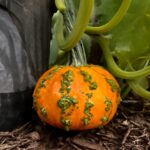
Winter types include butternut, acorn, and spaghetti squash. Most produce vines that travel farther than bush varieties, though compact selections exist. The fruit is harvested mature, when the rind has hardened, and storage life varies with type and condition. Compare the seed packet’s days to maturity with the length of your frost-free season before choosing.
For a small space, growing yellow squash in a bush form can leave more room for paths and neighboring crops. A winter vine may need a larger bed or a sturdy support designed for its weight. Read the packet for the variety’s spread and spacing; the little seed holds a plant with a much larger footprint.
Give Seeds Warmth and Sun
Choose a site with at least six hours of direct sun and soil that drains while retaining moisture. Mix compost into the bed before planting, and use a soil test to guide any additional fertilizer. Excess nitrogen can favor leaves at the expense of fruit.
Sow seeds directly after frost danger has passed and the soil has warmed. Oklahoma State University recommends at least 60°F at planting depth, with warmer soil supporting better germination. Follow the packet for planting depth and spacing; many squash seeds are covered with about an inch of soil. Keep the seedbed evenly moist while the shoots emerge.
You can start plants indoors for a head start, particularly where the season is short. Sow into individual pots a few weeks before transplanting, and move them outside gradually to acclimate before planting after frost. Handle a squash seedling by its pot or root ball, disturbing the roots as little as possible. A young squash transplant generally settles more easily than a large, root-bound plant.
Water the Roots and Make Space
A squash garden grows quickly once the weather is warm. Leave the recommended distance between plants instead of crowding extra seeds into a small bed. Air movement helps foliage dry, and space makes it easier to spot pests and reach developing fruit.
Growing squash well means matching water to the weather. Water deeply at the soil surface when the root zone begins to dry, adjusting for rainfall and heat. A mulch layer helps reduce evaporation and keeps fruit from resting directly on damp soil. Consistent moisture is especially important while plants flower and develop fruit; waterlogged soil, however, can damage roots.
Watch leaves and stems regularly for squash bugs, vine borer damage, or signs of disease. Remove small pest clusters when practical and consult local extension guidance for identification and control. If using a pesticide, follow the label and protect pollinators; open flowers attract bees that the crop needs.
Let Flowers Become Fruit
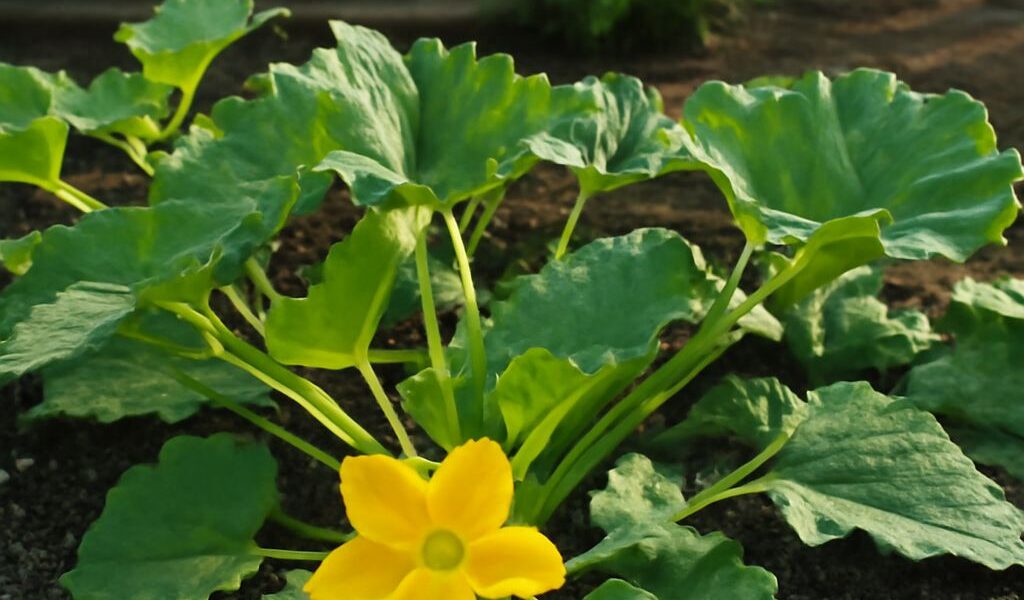
Squash plants have separate male and female flowers on the same plant. The female flower has a small swelling behind it; that swelling can develop into fruit after pollen reaches the flower. Bees normally move the pollen. Early in the season, a plant may produce male flowers before female flowers appear, so a lack of fruit at first is not necessarily a sign of trouble.
If female flowers open but young fruit repeatedly shrivels, poor pollination is one possibility. Cool or rainy weather can limit insect activity. You can transfer pollen by hand in the morning: use a small brush to collect pollen from a freshly opened male flower and touch it to the center of an open female flower. Keep watering consistent and continue watching the next fruits.
Pick for the Kind of Squash
Knowing how to grow squash includes recognizing when to harvest it. Check summer varieties frequently, because young fruit can grow quickly after pollination. Use a knife or pruners to cut the stem without twisting the plant, and follow the packet’s recommended size for the variety. Regular picking also keeps you from missing oversized fruit beneath the leaves.
For winter types, wait for the mature color and a hard rind that resists a fingernail, then cut the fruit with a portion of stem attached. Harvest before a hard frost and follow variety-specific curing and storage guidance; damaged fruit should be used promptly rather than stored for long periods.
To start cultivating squash, measure a sunny bed today and compare its available space and frost-free season with two seed packets: a bush yellow summer type and a winter variety you would enjoy eating. Choose the one that fits both your garden and your kitchen.
Sources: University of Minnesota Extension: summer squash; Oklahoma State University: squash production; University of Florida Extension: winter squash.