 Gloria Davis
The gayfeather flower, also known as marsh blazing star (Liatris spicata), is a native perennial prized for its tall, spiky blooms and its adaptability in a wide range of gardens. Whether we’re looking to support pollinators or enhance our landscapes with striking texture and vibrant color, growing marsh blazing star offers both beauty and ecological value. Let’s explore its characteristics, optimal growing methods, care strategies, and the many ways it can enrich our gardens.
What Is the Gayfeather Flower?
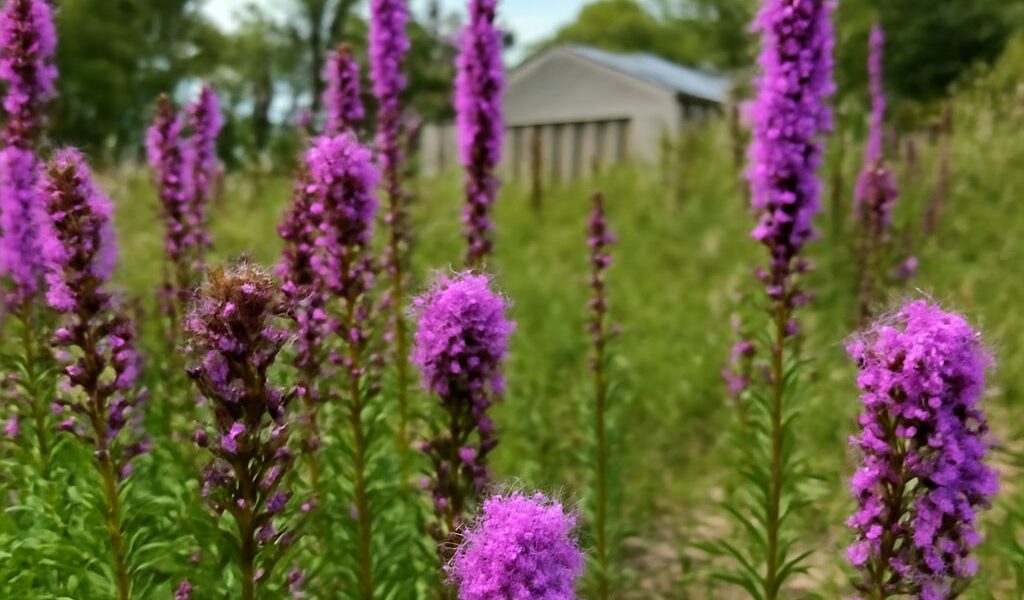
Gayfeather flower is the common name for several species in the genus Liatris, with marsh blazing star (Liatris spicata) being one of the most popular varieties. This perennial is native to North America and stands out for its upright spikes of purple, magenta, or occasionally white flowers that bloom from midsummer through early fall. The blooms open from the top down—a rare trait among garden flowers—creating a dramatic visual effect.
Marsh blazing star typically grows two to four feet tall, with slender, grass-like leaves forming a tidy clump at the base. Its native habitat includes wet meadows, prairies, and marshy areas, making it tolerant of both moisture and brief dry spells once established. As a member of the aster family, gayfeather flower is a favorite among bees, butterflies, and hummingbirds, making it an excellent choice for wildlife-friendly plantings.
In addition to its beauty and adaptability, gayfeather flower is remarkably low-maintenance, thriving in USDA hardiness zones 3 through 9. Its ability to fit into perennial borders, cottage gardens, and native plant landscapes has made it a staple for both novice and experienced gardeners.
How to Grow Marsh Blazing Star in Your Garden
Growing marsh blazing star is straightforward if we provide the right conditions. Start by selecting a site with full sun, as gayfeather flower needs at least six hours of direct sunlight each day to bloom prolifically. While marsh blazing star tolerates a variety of soils, it prefers moderately moist, well-drained ground. In heavy clay or consistently wet areas, amend the soil with compost to improve drainage and fertility.
We can plant marsh blazing star from either corms (bulb-like underground stems) or nursery-grown transplants. If using corms, plant them in spring after the danger of frost has passed, setting them about 1 inch deep and spacing them 12 to 15 inches apart. Water well after planting to help roots establish. For container-grown plants, dig holes twice as wide as the root ball, position the plants at the same depth as they were in the pot, and backfill with soil.
Regular watering is essential during the first growing season. For existing beds, ensure spacing allows for air circulation, which helps prevent fungal issues. Gayfeather flower can also be grown in rain gardens or along pond edges, provided the site does not stay waterlogged.
Care and Maintenance Tips for Gayfeather
Once established, marsh blazing star is a resilient and low-maintenance perennial. During periods of drought, provide supplemental water to keep growth vigorous, but avoid overwatering which can cause corm rot. Mulching with a two- to three-inch layer of organic material helps conserve soil moisture, suppresses weeds, and moderates soil temperature.
Fertilization is rarely necessary if we plant in healthy soil. However, a light application of compost in early spring can boost growth and flowering. Deadheading spent blooms is optional but can improve the plant’s appearance and redirect energy into root development. In the fall, after the foliage has died back, trim stems to ground level to prepare for winter and reduce the risk of pests overwintering.
Gayfeather flower is generally pest-resistant, but slugs and snails may feed on young shoots. Address any infestations early with organic controls. Division is seldom needed, as these plants are long-lived and prefer to remain undisturbed, but we can divide clumps every 4–5 years if necessary to maintain vigor or propagate new plants.
Benefits and Uses of Marsh Blazing Star
Marsh blazing star offers exceptional garden value beyond its ornamental beauty. Its nectar-rich flowers attract a wide range of pollinators, including monarch butterflies and native bees, supporting local ecosystems. The vertical form of gayfeather flower provides architectural interest when mixed with other perennials such as coneflower, black-eyed Susan, or ornamental grasses.
We can use marsh blazing star in rain gardens, naturalized plantings, cottage borders, or as a cut flower—its long-lasting spikes are a favorite for both fresh and dried arrangements. Because it thrives without heavy care or chemical inputs, it’s ideal for sustainable gardening. With its combination of hardiness, pollinator benefits, and striking late-season color, marsh blazing star is a rewarding addition to any sunny garden.