 Gloria Glover
Understanding how to choose the right diaper size is essential for both comfort and sustainability. A well-fitting diaper not only ensures your baby’s comfort but also helps in reducing waste by minimizing leaks and unnecessary changes. In this guide, we’ll explore how to use a diaper size chart effectively, look at diaper sizes by weight and age, and discuss choosing sustainable diaper options to support eco-friendly living.
How to Use a Diaper Size Chart
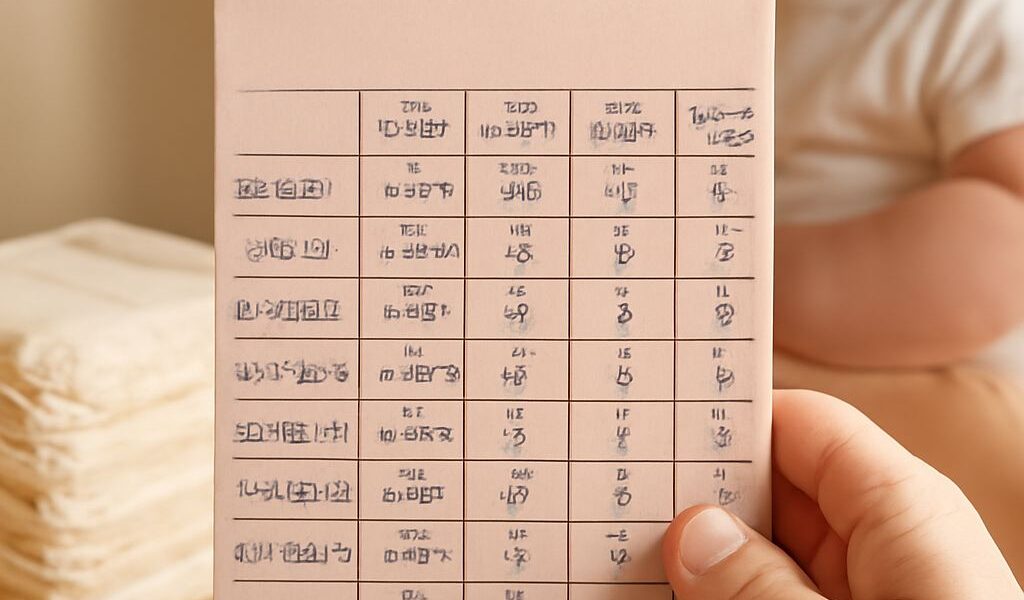
Using a diaper size chart is straightforward and can make a significant difference in your diapering routine. These charts typically list diaper sizes based on weight and age, providing a guideline for choosing the most appropriate size for your baby. It’s important to note that while age can be a factor, the most accurate way to determine diaper size is by your baby’s weight.
When using a diaper size chart, start by weighing your baby. Match their weight to the corresponding size on the chart. For instance, if your baby weighs 10 pounds, you would likely choose a size that covers 8 to 14 pounds. Remember that each brand may have slightly different sizing, so it’s a good idea to check the specific chart for the brand you are considering.
Diaper Sizes by Weight and Age
Diaper sizes are generally categorized by weight and sometimes age. Here’s a typical breakdown:
- Newborn: Less than 10 pounds
- Size 1: 8–14 pounds
- Size 2: 12–18 pounds
- Size 3: 16–28 pounds
- Size 4: 22–37 pounds
- Size 5: 27 pounds and up
- Size 6: 35 pounds and up
While age can provide a general guideline, babies grow at different rates, making weight the better determinant of diaper size. As babies move between sizes, you might overlap sizes, especially if your baby is close to the upper limit of their current diaper size.
Choosing Sustainable Diaper Options
As we strive for more sustainable living, choosing eco-friendly diapers is a practical step. These sustainable options help reduce environmental impact and often use materials that are less likely to irritate sensitive skin.
Cloth Diapers: Cloth diapers are a popular sustainable choice. They are reusable, reducing the waste associated with disposables. Many parents appreciate the variety of materials available, such as organic cotton or bamboo, which are both absorbent and gentle.
Biodegradable Disposables: For those who prefer disposables, biodegradable options are available. These diapers are made from plant-based materials that break down more quickly than traditional disposables, reducing landfill contributions.
Hybrid Systems: Hybrid diapers combine the benefits of both cloth and disposable diapers. They feature a reusable outer cover with a removable insert, which can be either cloth or biodegradable. This flexibility can be particularly useful for busy parents who want to minimize their environmental impact while maintaining convenience.
When choosing sustainable diapers, consider factors such as material, cost, and your lifestyle needs. While the initial cost of cloth diapers may be higher, they can save money over time. Biodegradable options can be more expensive than regular disposables, but the environmental benefits often justify the cost for eco-conscious families.
In conclusion, using a diaper size chart effectively allows us to choose the right diaper size by weight, ensuring comfort and reducing waste. By considering sustainable diapering options, we can make environmentally friendly choices that protect our planet and provide the best for our babies.