 Gloria Glover
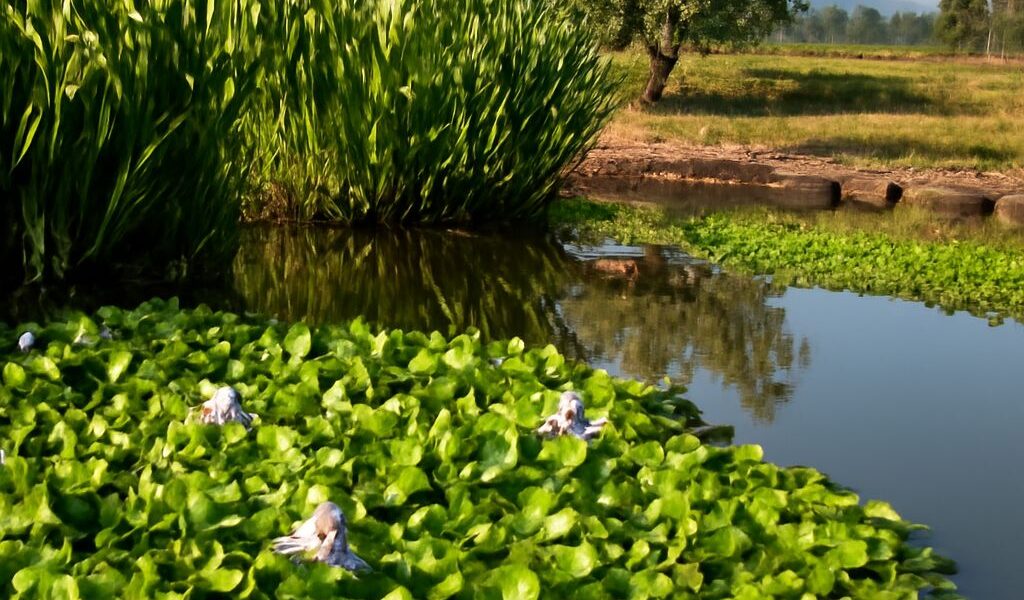
When we think about wetlands, the image of lush greenery thriving amidst waterlogged soils often comes to mind. Featuring prominently in these ecosystems are swamp plants, an incredible array of flora that have adapted to life in watery environments. These plants play a crucial role in maintaining the health and balance of wetlands. Let’s dive into the world of swamp plants, discover their unique adaptations, and understand their importance in wetland ecosystems.
What Are Swamp Plants?
Swamp plants are a specialized group of flora found in wetlands, areas characterized by saturated soil conditions that support aquatic and semi-aquatic plant life. These plants have evolved to thrive in environments where water is abundant and soil oxygen is limited. From towering trees like cypress to ground-covering ferns and grasses, the diversity among swamp plants is remarkable.
Adaptations for Survival
Swamp plants have developed fascinating adaptations to survive and flourish in wetland conditions. One common adaptation is the presence of aerenchyma, a spongy tissue that allows air to reach submerged parts of the plant, ensuring adequate oxygen supply. Additionally, many swamp plants possess specialized root systems, such as buttress roots or pneumatophores, which provide stability and facilitate oxygen intake.
Some swamp plants, like the water lily, have floating leaves that maximize sunlight absorption while minimizing water resistance. Others, like the mangrove, excrete excess salt through their leaves, allowing them to tolerate the brackish conditions of coastal swamps.
Key Roles in Wetland Ecosystems
The presence of swamp plants in wetlands is vital for maintaining ecosystem health. They play a key role in water purification by filtering pollutants and trapping sediments, thus improving water quality. Their root systems stabilize soil and prevent erosion, which is critical in flood-prone areas.
Moreover, swamp plants provide habitat and food for a multitude of wildlife, including insects, birds, and amphibians. The dense vegetation offers shelter and breeding grounds, supporting biodiversity in the ecosystem. In addition, swamp plants act as carbon sinks, sequestering carbon dioxide and mitigating climate change impacts.
Examples of Common Swamp Plants
- Cattails (Typha spp.): These tall, reed-like plants are commonly found in freshwater marshes and provide habitat for wildlife.
- Swamp Cypress (Taxodium spp.): Known for its distinctive “knees,” the swamp cypress is a dominant tree species in southern U.S. wetlands.
- Water Lilies (Nymphaeaceae): Featuring floating leaves and beautiful flowers, water lilies are common in ponds and slow-moving waters.
- Mangroves (Rhizophora spp.): Found in tropical and subtropical coastal areas, mangroves are essential for protecting shorelines and supporting marine life.
Understanding swamp plants and their unique adaptations helps us appreciate the vital services they provide in wetland ecosystems. As we continue to explore and protect these rich habitats, recognizing the importance of plants in wetlands is essential for ensuring their conservation and sustainability.