 Gloria Davis
The Russian olive tree, known scientifically as Elaeagnus angustifolia, is a unique species that has both aesthetic and ecological significance. Often appreciated for its silvery leaves and fragrant yellow flowers, this tree can also pose environmental challenges. Let’s explore its characteristics, growth conditions, and ecological impact.
Characteristics of the Russian Olive Tree
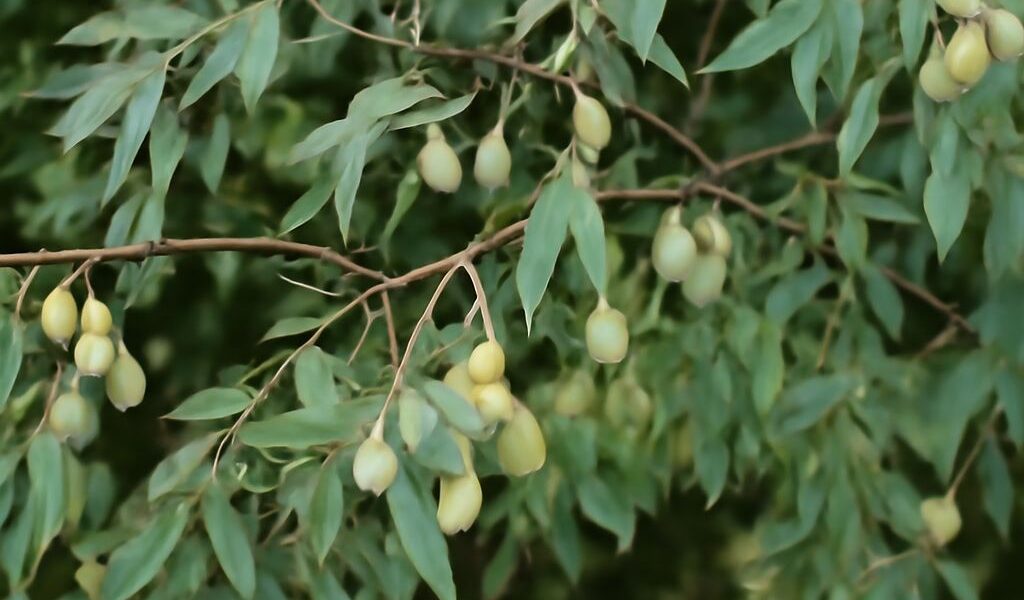
The Russian olive tree is recognized by its distinctive silver-green foliage and yellow flowers. It typically grows between 15 to 30 feet tall and develops a rounded crown. The bark is smooth and gray when young but becomes fissured with age. One of the most striking features is its thorny branches, which can serve as a natural deterrent for animals. The tree produces small, olive-like fruits that are initially green and turn silver as they mature, providing a food source for various bird species.
Habitat and Growth Conditions
Originally native to Europe and Asia, the Russian olive tree thrives in diverse environmental conditions. It is highly adaptable, often found in riparian zones, meadows, and roadsides. This tree prefers full sun but can survive in partial shade and tolerates a range of soil types, including sandy, loamy, and even alkaline soils. Its ability to fix nitrogen allows it to grow in less fertile areas, giving it a competitive edge over native vegetation.
Ecological Impact and Management
While the Russian olive tree is admired for its resilience and beauty, it poses a significant ecological threat as an invasive species. Its rapid growth and reproduction can outcompete native plants, leading to reduced biodiversity. The dense thickets formed by these trees can alter water flow in riparian ecosystems, impacting local wildlife habitats.
Managing the spread of Russian olive trees involves both mechanical and chemical methods. Regular pruning and removal of young saplings can help limit their spread. In some cases, targeted herbicide application is necessary to control larger populations. Restoration efforts should focus on reestablishing native species to maintain ecological balance.