 Gloria Davis
Growing lettuce is a rewarding experience that transforms your garden into a source of fresh, crisp greens. Whether you’re aiming to add some homegrown flavor to your meals or simply enjoy the process of planting, this guide will help you get started. We’ll cover everything from choosing the perfect variety to ensuring your plants thrive.
Choosing the Right Lettuce Variety
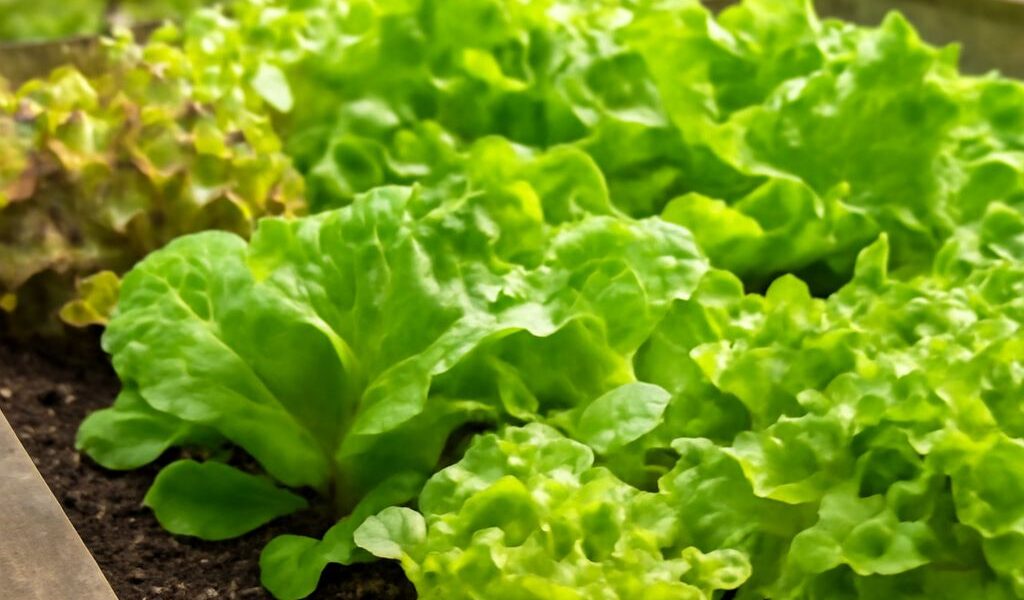
When it comes to growing lettuce, selecting the right variety is crucial. There are several types to consider, including loose-leaf, butterhead, romaine, and crisphead. Loose-leaf varieties, such as ‘Black Seeded Simpson’, are quick to mature and offer a continuous harvest. Butterhead types like ‘Boston’ have soft, buttery leaves, while romaine, such as ‘Parris Island Cos’, provides a crunchy texture. Finally, crisphead lettuces like ‘Iceberg’ are perfect for those who prefer a classic, dense head of lettuce. Choose the variety that best suits your taste and growing conditions.
Preparing Your Garden for Planting
Before planting lettuce, it’s essential to prepare your garden properly. Lettuce thrives in well-drained soil rich in organic matter. Start by clearing the planting area of weeds and debris. Work in a layer of compost to enrich the soil and improve its structure. Aim for a pH level between 6.0 and 7.0 for optimal growth. Additionally, consider the sunlight requirements of your chosen variety, as most lettuces prefer partial shade or full sun.
Steps for Planting Lettuce
Once your garden is ready, it’s time to start planting lettuce. Begin by sowing seeds directly into the soil approximately 1/4 inch deep and 1 inch apart. If you’re planting in rows, space them about 12 to 18 inches apart to allow for air circulation. For early planting, cover seeds with a light layer of mulch or floating row cover to protect them from harsh weather. Water the seeds gently but thoroughly to ensure even germination.
If you prefer to start with seedlings, transplant them into the garden when they have at least four true leaves. Be cautious not to disturb the roots and plant them at the same depth they were growing in their pots.
Caring for Your Lettuce Plants
Caring for your lettuce involves regular watering, monitoring for pests, and maintaining optimal growing conditions. Lettuce requires consistent moisture, so water regularly to keep the soil evenly moist but not waterlogged. Mulching can help retain moisture and suppress weeds.
Watch for common pests like aphids and slugs. Introduce natural predators such as ladybugs or use organic pest control methods to manage infestations effectively. Additionally, consider using row covers to protect plants from pests and extreme weather conditions.
As your plants grow, thin them out to prevent overcrowding, allowing about 4 to 6 inches between plants. This practice promotes healthy growth and reduces the risk of disease. Harvest your lettuce when the leaves are tender and before they become tough or bitter. Cut them at the base or pick individual leaves for a continual harvest.
By following these steps, you can enjoy fresh, homegrown lettuce straight from your garden, enriching your meals with vibrant and nutritious greens.