 Gloria Davis
Starting a vegetable garden is a rewarding endeavor that brings fresh produce to your table and a sense of accomplishment. For beginners, diving into vegetable gardening may seem daunting, but with a little guidance, it can become a straightforward and enjoyable process. Let’s explore how to grow a garden successfully, focusing on the crucial steps involved in vegetable gardening.
Choosing the Right Location
The first step in vegetable gardening is selecting the perfect spot. Vegetables generally require ample sunlight, so aim for a location that receives at least six to eight hours of direct sunlight each day. Ensure the area has good drainage and avoid spots where water tends to pool, as this can lead to root rot. Accessibility is also essential; you’ll want a location that you can easily reach for planting, watering, and harvesting.
Essential Gardening Tools
Having the right tools makes the process of growing vegetables more efficient and enjoyable. Beginners should start with a basic set that includes a trowel, garden fork, hand rake, watering can, and pruners. A quality pair of gardening gloves will protect your hands, and a kneeling pad can make long planting sessions more comfortable. As you advance, consider adding a wheelbarrow and a hose with a spray nozzle to your collection.
Selecting Vegetables to Grow
Choosing the right vegetables is crucial for a successful garden. For beginners, it’s wise to start with easy-to-grow options. Consider vegetables like lettuce, radishes, and carrots, which are known for their resilience and minimal care requirements. Tomatoes and cucumbers are also popular choices due to their high yield and versatility in the kitchen. Take into account your climate and growing season to ensure the best results.
Steps to Plant Your Garden
- Prepare the Soil: Start by clearing the area of weeds and debris. Loosen the soil with a garden fork and incorporate compost to enrich it with nutrients.
- Plan Your Layout: Consider the space each plant requires and plan your layout accordingly. Use a grid system to optimize space and accessibility.
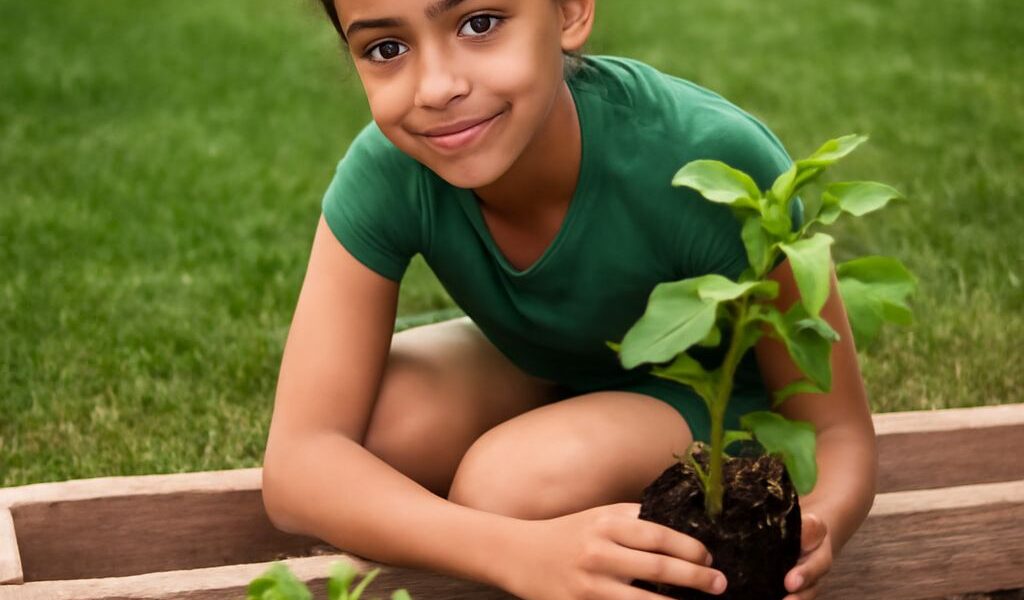
- Plant the Seeds or Seedlings: Follow the instructions on the seed packets or plant labels regarding depth and spacing. Gently water the area after planting.
- Regular Maintenance: Keep the garden free from weeds and regularly check for pests. Water the plants appropriately, focusing on the roots rather than the leaves.
- Harvesting: Pay attention to the growing cycle of each vegetable. Harvest promptly to enjoy fresh produce and encourage continued growth.
By selecting the right location, equipping yourself with essential tools, choosing suitable vegetables, and following proper planting steps, we can set up a flourishing vegetable garden. Remember, the key to successful vegetable gardening for beginners is to start small and gradually expand as you gain confidence and experience.